
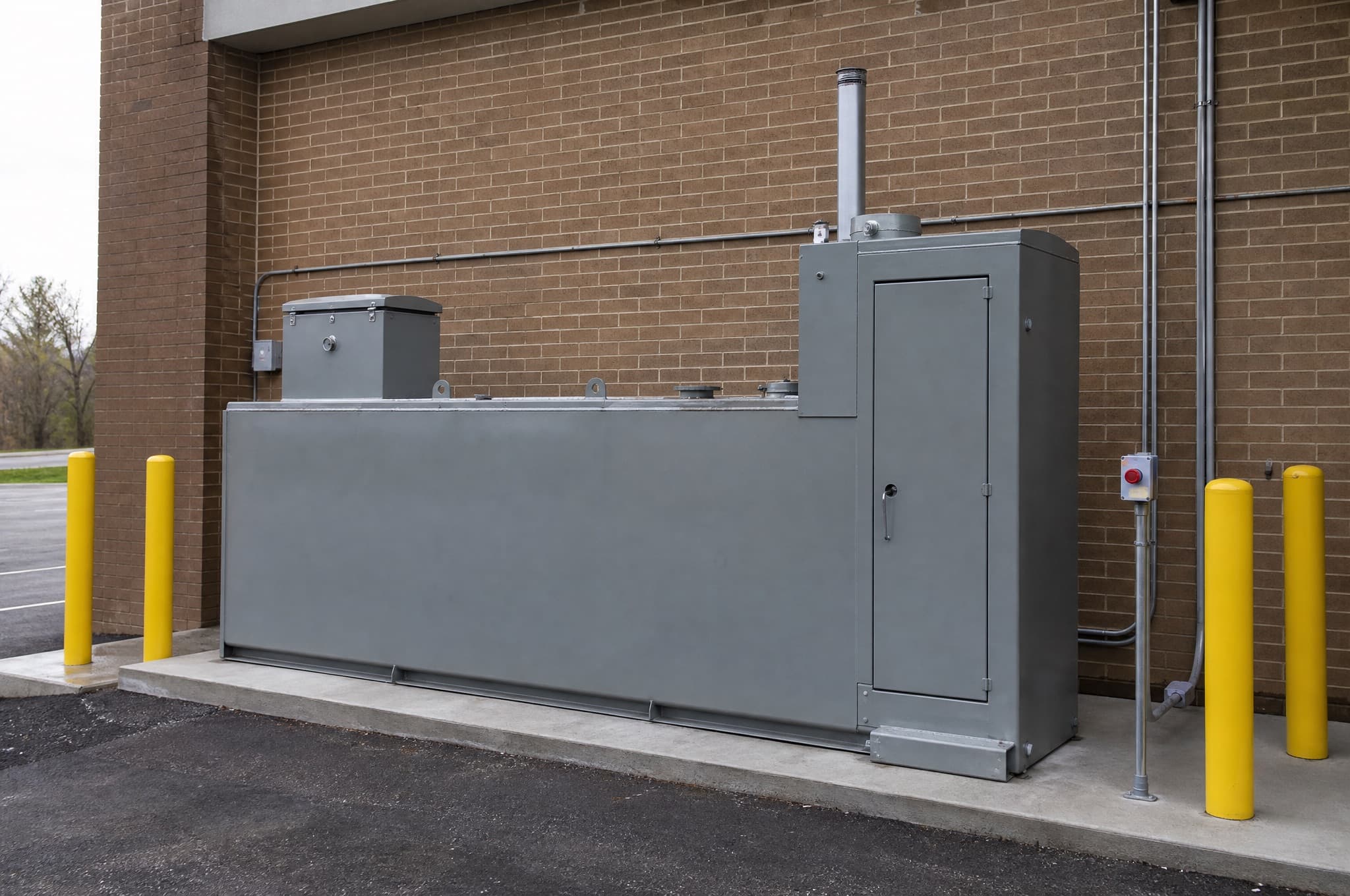
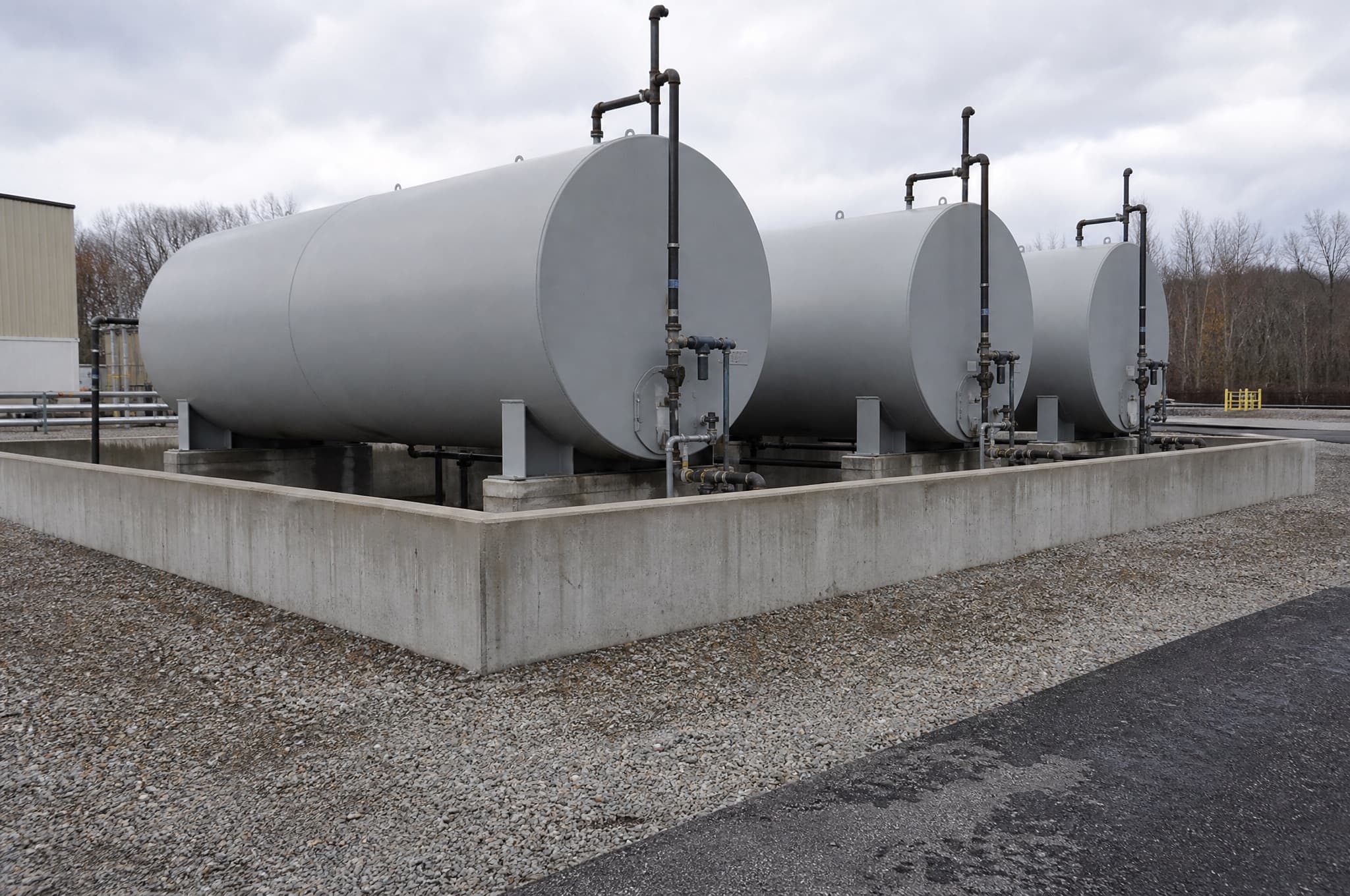
Aboveground tank systems sized and sited to fire code and the AHJ.
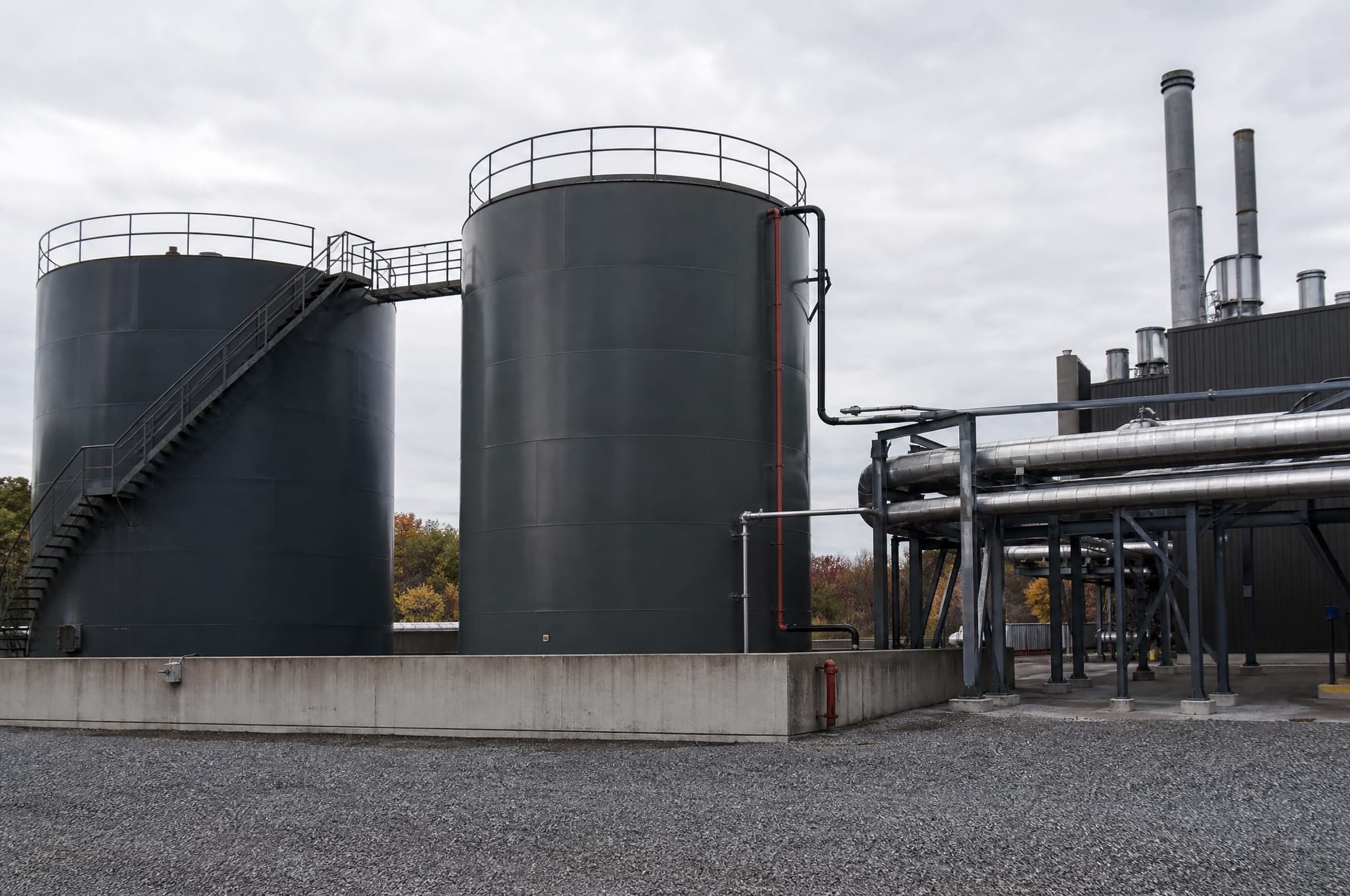
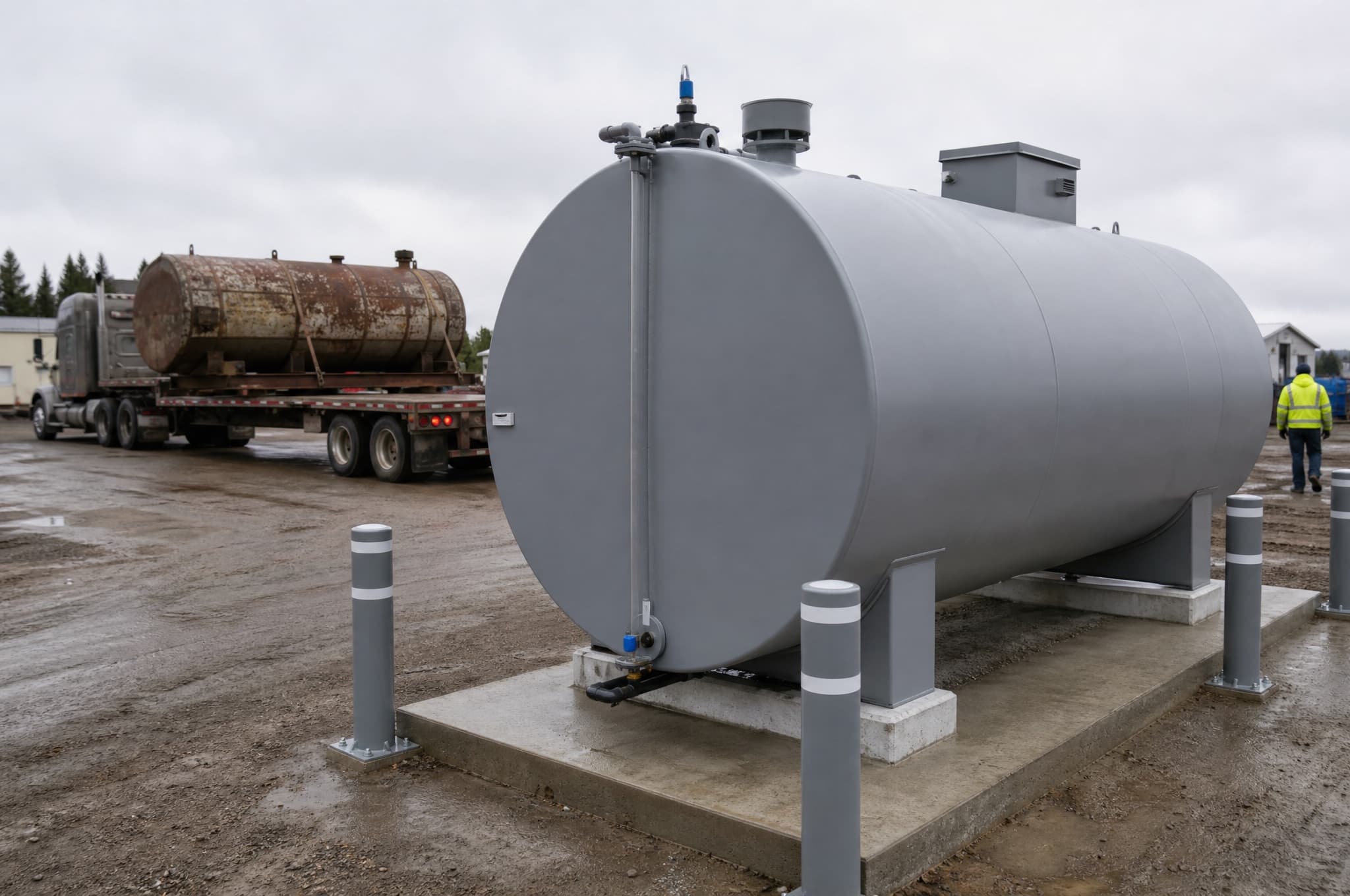
Fuel, #2 fuel oil, waste oil and generator diesel ASTs, from the tank listing and containment to the fill, vent and dispensing details the fire marshal and the health department will check.
The call usually starts like this.
If one of these sounds like your site, the form above is the fastest way to get a defined path back.
We need to replace our underground #2 fuel oil tank with an aboveground tank.”
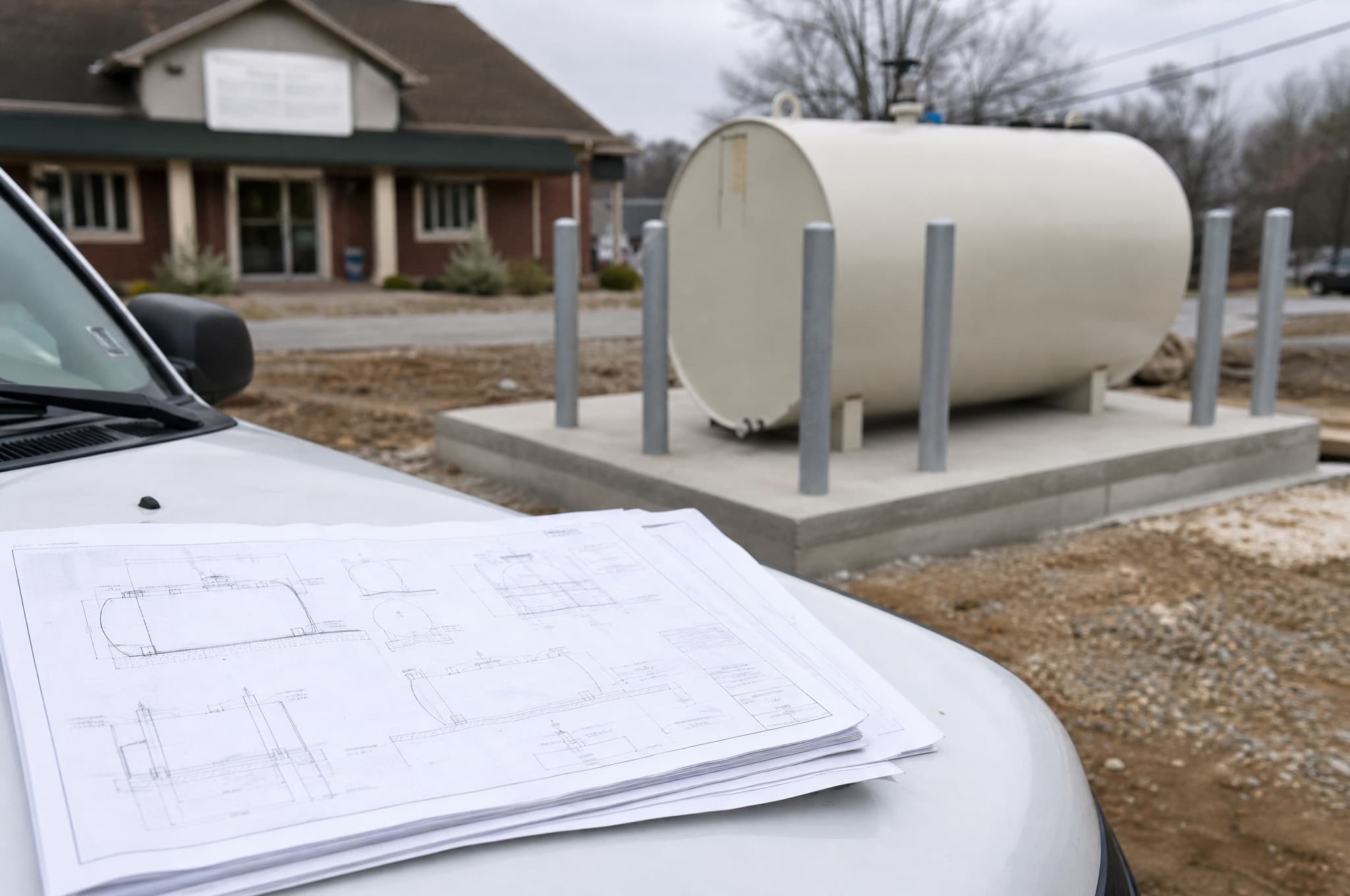
We need a new diesel tank for our emergency generator and the county wants drawings.”
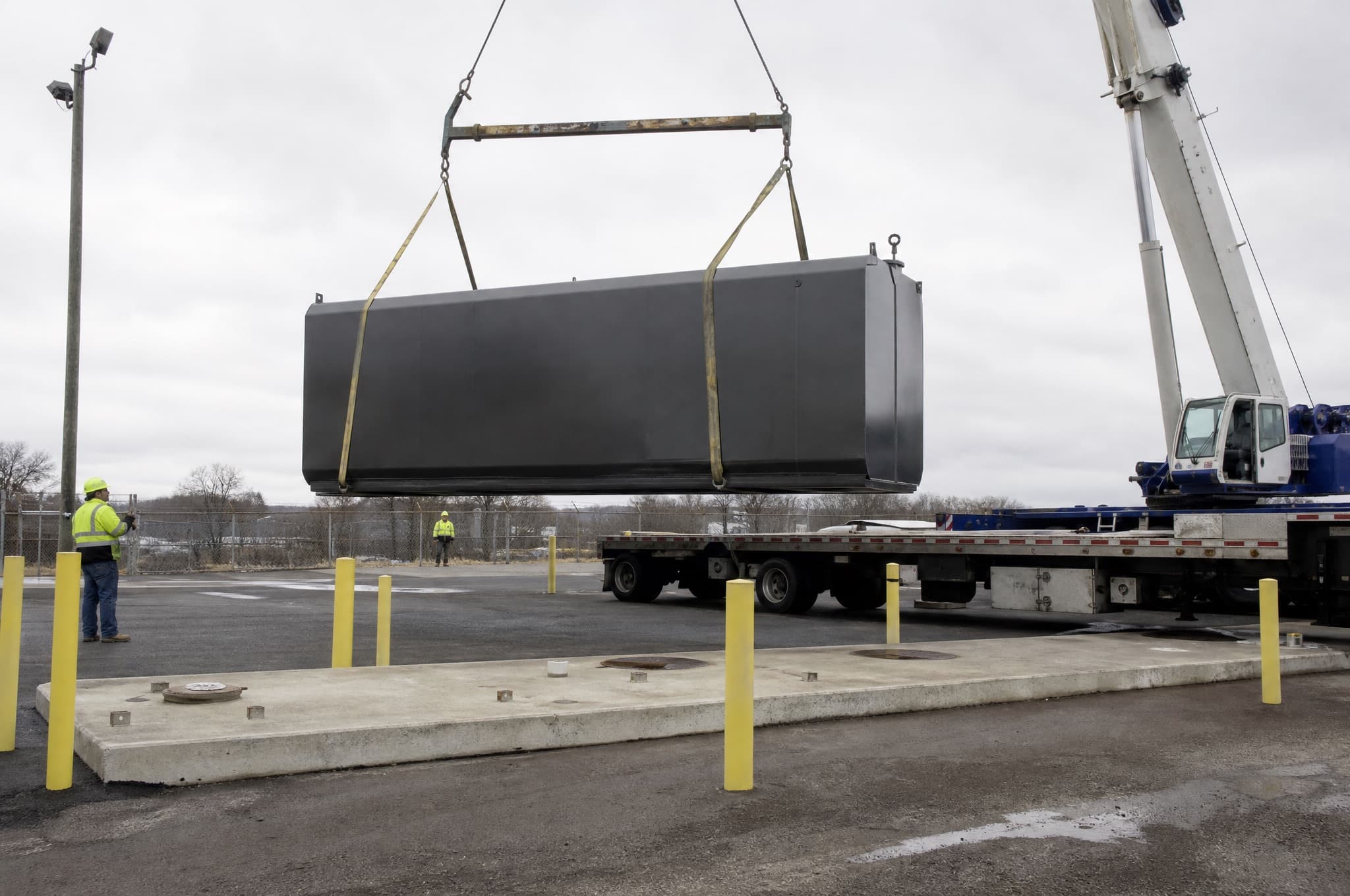
We're moving facilities and want to bring our tanks with us.”
Our shop needs a compliant waste-oil tank and the fire marshal flagged the one we have.”
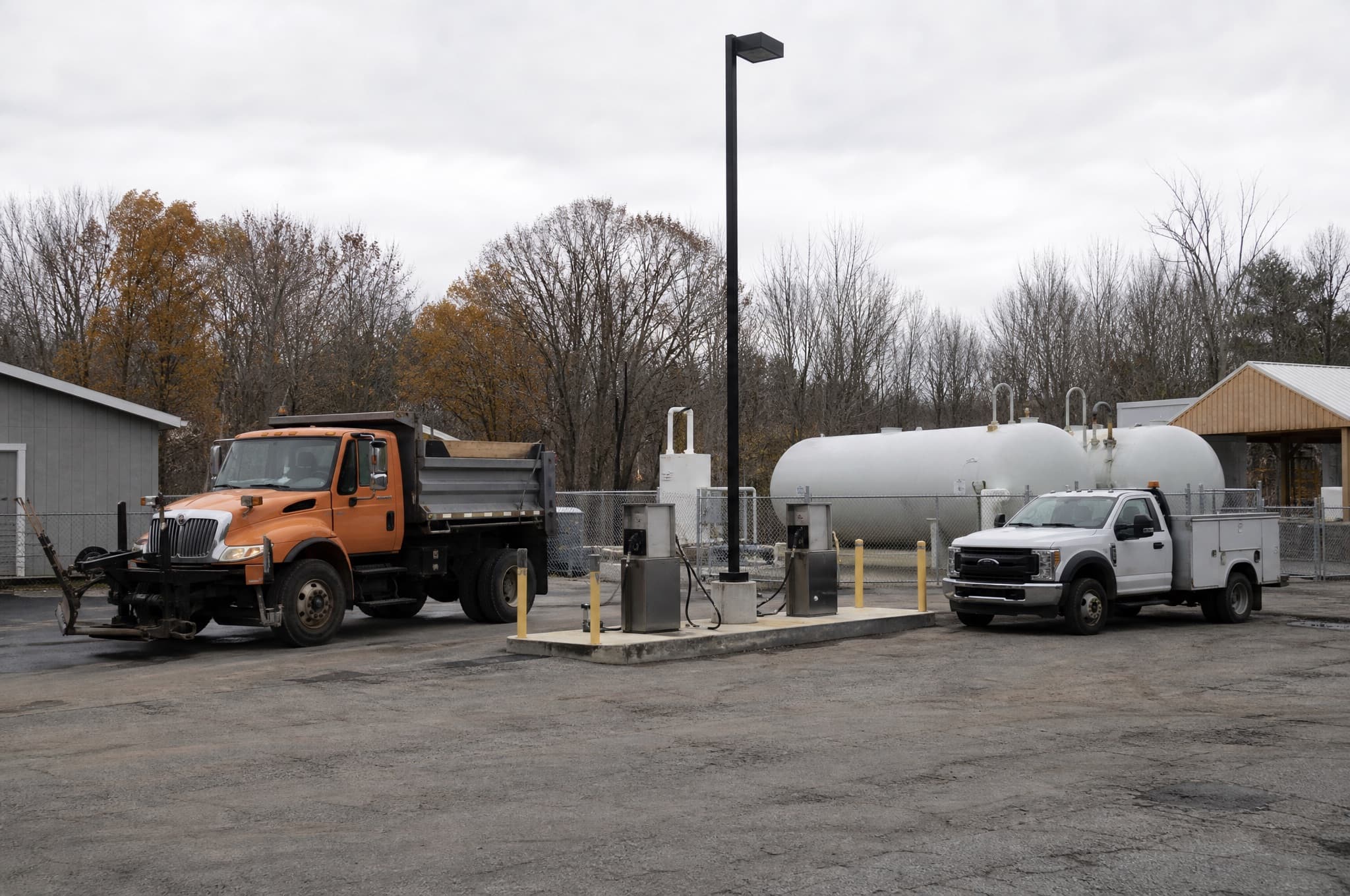
We need more fuel-storage capacity for the fleet and the yard is tight.”
The health department says our AST needs overfill protection and containment it does not have.”
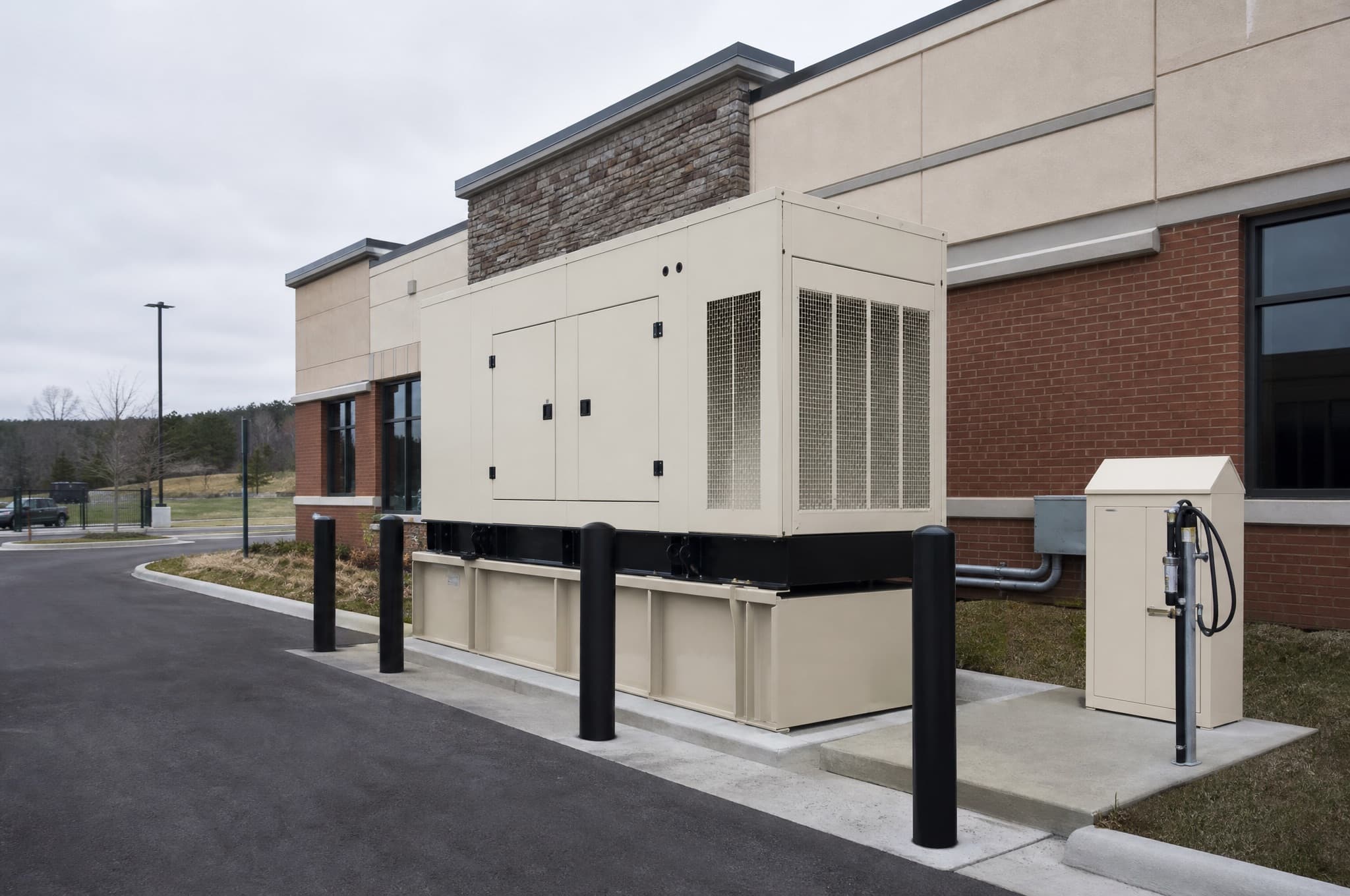
Concrete deliverables, not a proposal to write one.
- Site plan with tank location, separation distances, vehicle protection and fill-station layout
- Tank specification: UL 142 or UL 2085 listing, capacity, compartments, orientation and fittings
- Fill, vent, overfill and spill-containment details, including pump-fill and remote-fill arrangements
- Foundation, anchorage and dike or double-wall containment details
- Dispensing, day-tank and piping details where the tank serves fueling or a generator
- AHJ application package (SCDHS HMM-001, NCDH Article XV, WCDOH Article XXV, NYSDEC PBS, VA DEQ, local fire and building)
- Construction scope narrative and closeout documentation
How ZE approaches ast system design.
Zambrano Enterprises provides specialized fuel-system design and technical consulting services. When professional engineering review or certification is required, ZE coordinates with appropriately licensed Professional Engineers through established professional relationships nationwide.
The right listing for the location
A UL 142 tank and a UL 2085 protected tank are not interchangeable. NFPA 30, NFPA 30A and the fire code allow protected tanks closer to buildings, property lines and dispensers, so the listing is decided by the site, the fuel and the separation distances available, not by what the supplier has in stock.
Fill, vent and overfill designed as a set
Pump-filled and remote-fill tanks need positive overfill detection and shutoff, not just a sight gauge. Fill boxes, spill containment, normal and emergency vents, and alarm locations are laid out together so the delivery driver, the operator and the inspector all see a system that works.
Long Island AST specifics handled
SCDHS Article 12 registers all petroleum tanks, including waste oil, and requires impervious containment of at least 110 percent of the largest tank for new outdoor ASTs, with overfill detection and both visual and audible alarms at the most frequently manned point. Groundwater management zones under Article 7 remove some of the small heating-oil exemptions. ZE designs to these from the start.
How the work runs.
- STEP 1
Investigate
Site walk, fuel type and grade, throughput or generator run-time, setbacks and exposures, existing registrations and any open violations or comments from the AHJ.
- STEP 2
Develop a compliance and design strategy
Tank type and listing, capacity, location, fill method, containment approach and whether an existing UST is being closed as part of the project. Confirm registration and permit requirements with each AHJ.
- STEP 3
Design
Drawing set, tank and equipment specification, containment and foundation details, fill and vent details, dispensing or day-tank piping, and electrical coordination.
- STEP 4
Permit
County health, state and local fire and building submittals, comment responses and the permit to construct.
- STEP 5
Support construction and closeout
Submittal review, field questions, coordination of tests and inspections, then registration and the permit to operate.
About ast system design.
Not answered here? Ask directly.
Talk to a Fuel-System SpecialistUL 142 or UL 2085: which tank do I need?
UL 142 is the listing for shop-fabricated steel ASTs for flammable and combustible liquids, single-wall or double-wall. UL 2085 is the listing for protected tanks, which add insulation and a secondary tank and pass a two-hour fire exposure, hose-stream, vehicle-impact and projectile test series. Fire code and NFPA 30A allow protected tanks at reduced separation distances and permit dispensing from them at motor-fuel facilities under conditions a plain UL 142 tank may not meet. If the site has the room, a UL 142 double-wall tank is often enough. If it does not, UL 2085 is usually the path.
What is a pump-filled tank and why does the county care?
A pump-filled tank is filled under pressure from the delivery truck's pump rather than by gravity, so an operator cannot stop an overfill simply by closing a valve when the gauge reads full. Suffolk County's Article 12 requires a positive means of detecting an overfilling condition before any spillage can occur, with visual and audible alarms where someone will see and hear them, and SCDHS reviews pump-fill and remote-fill arrangements closely in plan review. ZE designs the overfill alarm, shutoff valve, spill containment and fill-box location together so the arrangement is approved the first time.
Does a generator diesel AST have to be registered?
Usually, and the threshold depends on where the site is. NYSDEC Part 613 registers facilities with 1,100 gallons or more in aggregate. Suffolk County registers all petroleum tanks, with a narrow exception for fuel oil, kerosene and diesel tanks under 1,100 gallons (individual or combined) that serve on-site heating or intermittent power and sit outside an Article 7 groundwater management zone or water-supply sensitive area. Nassau and Westchester have their own thresholds. In Virginia, DEQ's AST regulation, 9VAC25-91, sets registration, pollution prevention and contingency plan requirements that vary with the capacity of the individual tank and the facility's aggregate storage capacity. ZE confirms the status for the specific site before design.
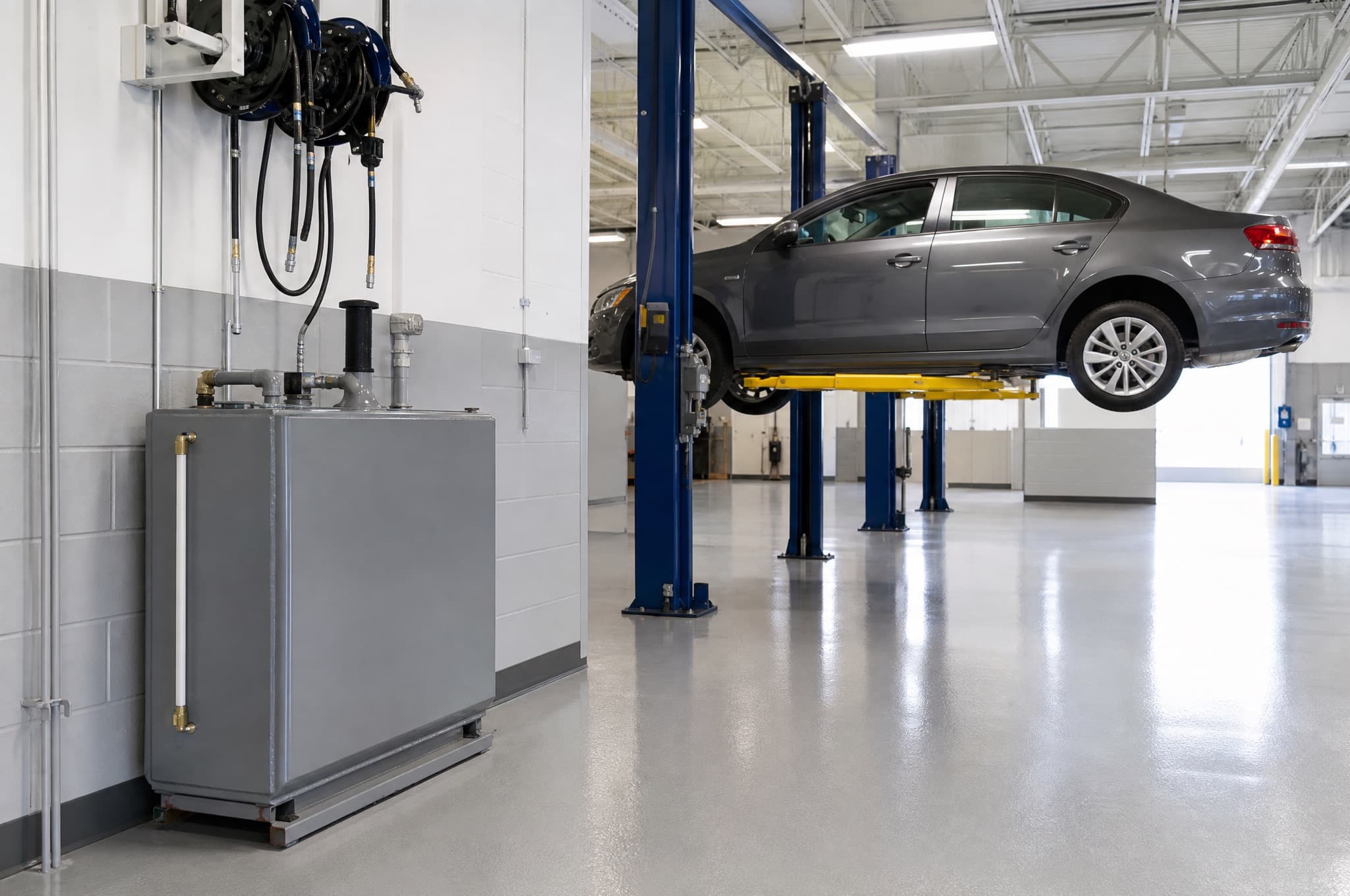
What does a waste-oil tank at a repair shop need?
A listed tank (UL 142 double-wall is typical), a fill arrangement that keeps drained oil off the floor, vents, overfill protection and containment, sited to NFPA 30 for the liquid class. Used oil is handled under 40 CFR 279 federally, and in Suffolk County a waste-oil tank is registered like any petroleum tank and does not qualify for the heating-oil exemptions. Indoor tanks carry additional Article 12 requirements. The same design usually covers new motor-oil and lubricant storage at the facility.
How close can an AST be to a building or the property line?
It depends on the tank listing, capacity, the class of liquid stored and whether fuel is dispensed from the tank. NFPA 30 and NFPA 30A tables, adopted through the state fire code, set the distances, and local fire officials can add conditions. ZE does not quote a single number because there is not one; the separation table is worked for the specific tank and site during design.
Usually part of the same project.
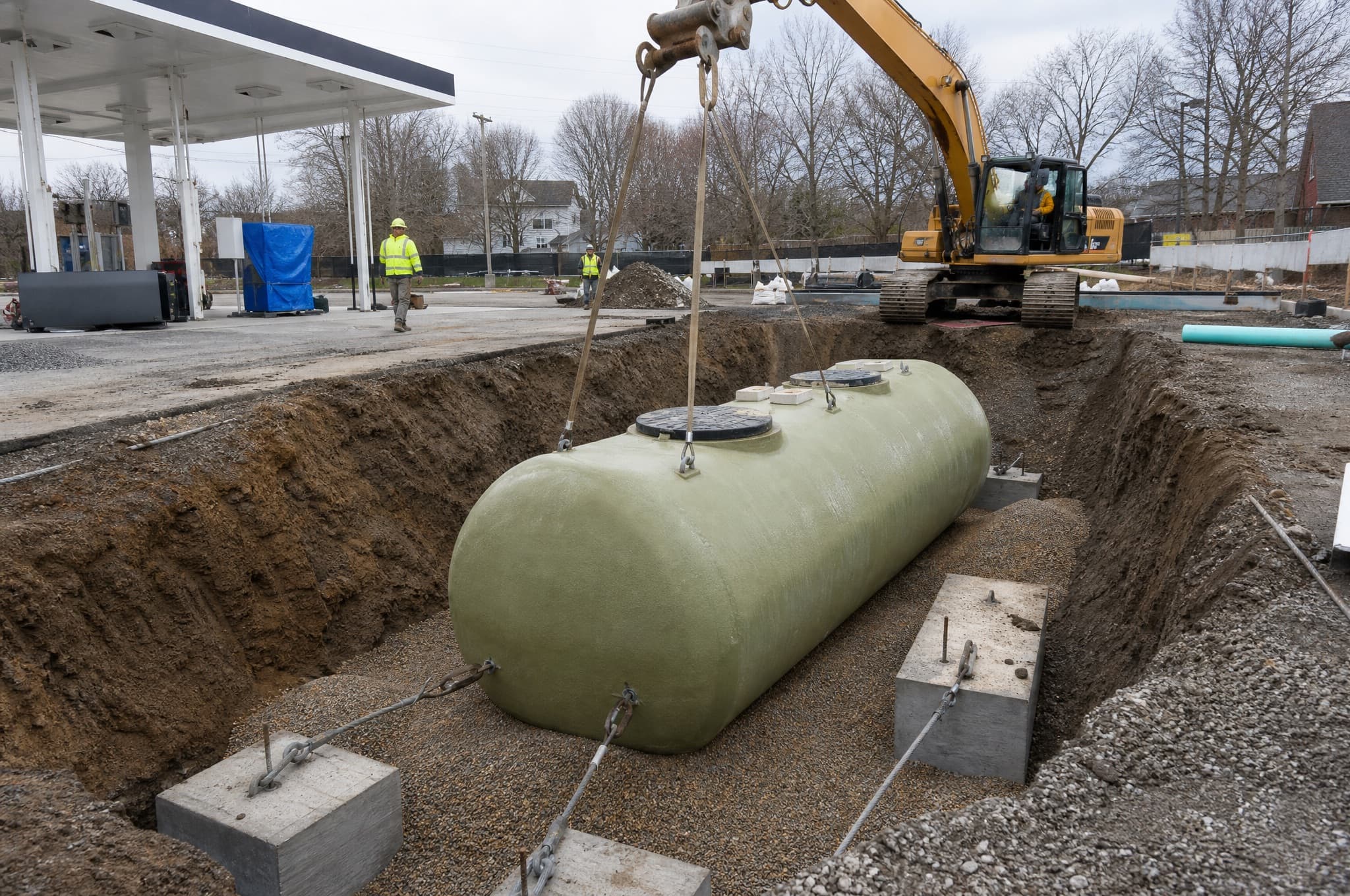
UST System Design
Underground storage tank systems: tank, piping, sumps, leak detection and dispensing, designed to the applicable federal, state and county rules.
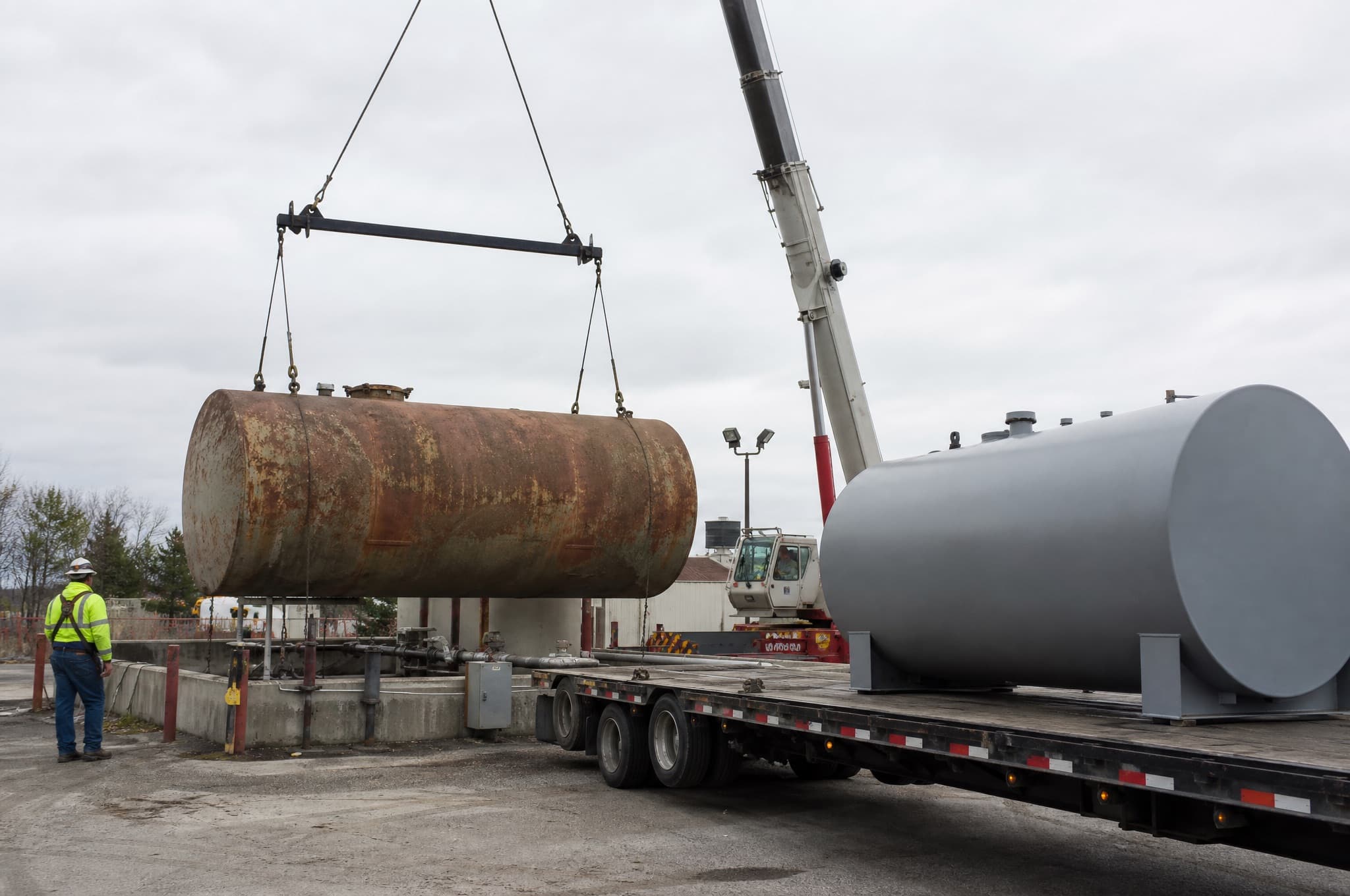
Fuel System Upgrades and Replacements
Aging tank replacement, capacity expansion, UST-to-AST conversion, sump replacement and overfill or containment corrections.
SPCC Plans
Spill Prevention, Control and Countermeasure plans under 40 CFR 112, with containment design coordinated to the facility.
Send us the situation. We'll tell you the path.
Photos, a violation notice, an inspection report, or just a description of the site. Matt reviews every inquiry personally and comes back with a clear next step.