
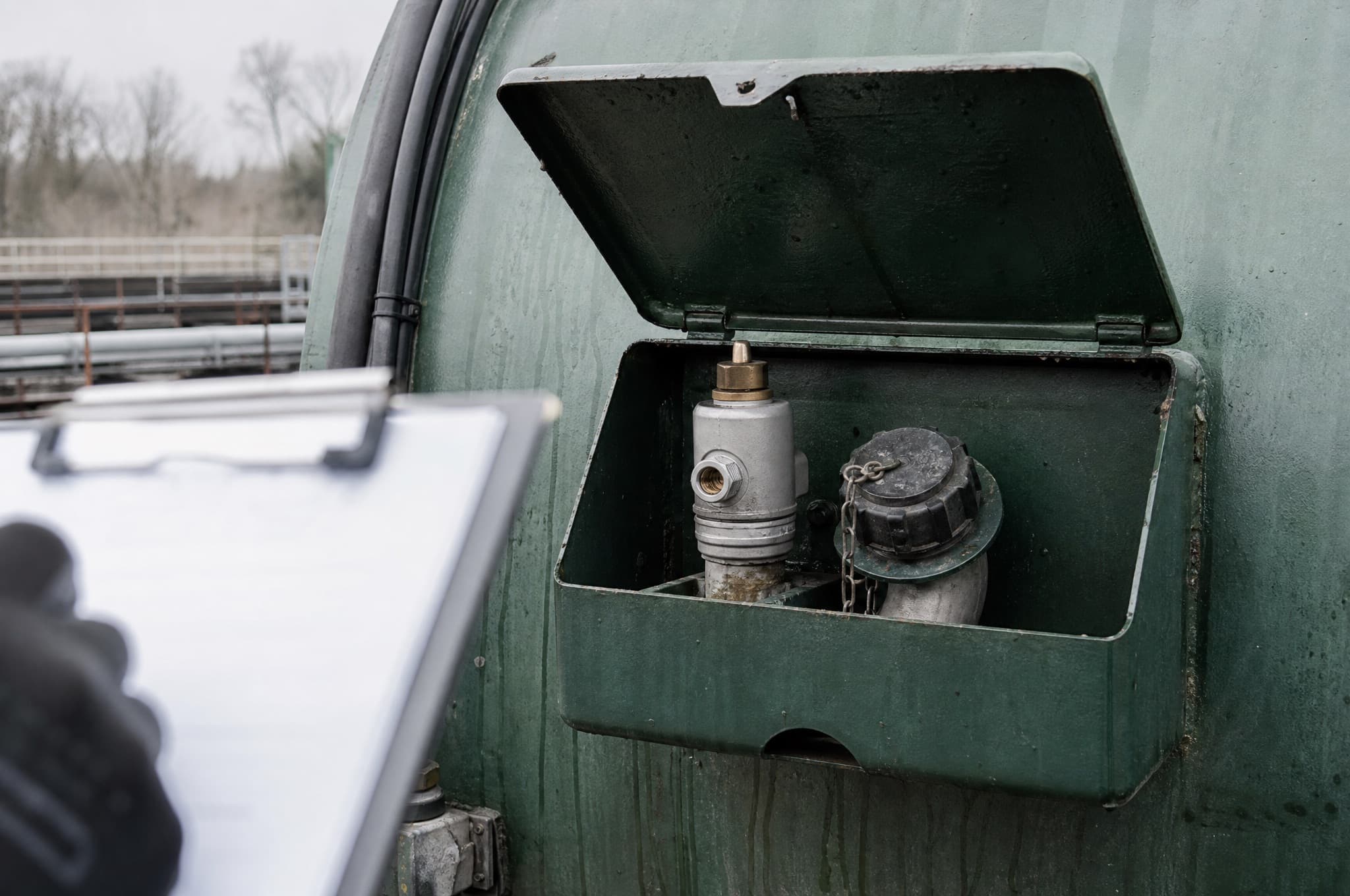
A violation notice needs a corrective path the agency will accept.
Zambrano Enterprises reads the notice, investigates the installation, designs and permits the correction, and closes the file with the agency. The contractor builds what the agency agreed to, not a guess.
The call usually starts like this.
If one of these sounds like your site, the form above is the fastest way to get a defined path back.
We received a notice of violation from SCDHS.”
The fire marshal red-tagged our generator tank.”
The building department is holding our certificate of occupancy over the fuel system.”
Our UST sump failed the test and the contractor says it has to be replaced.”
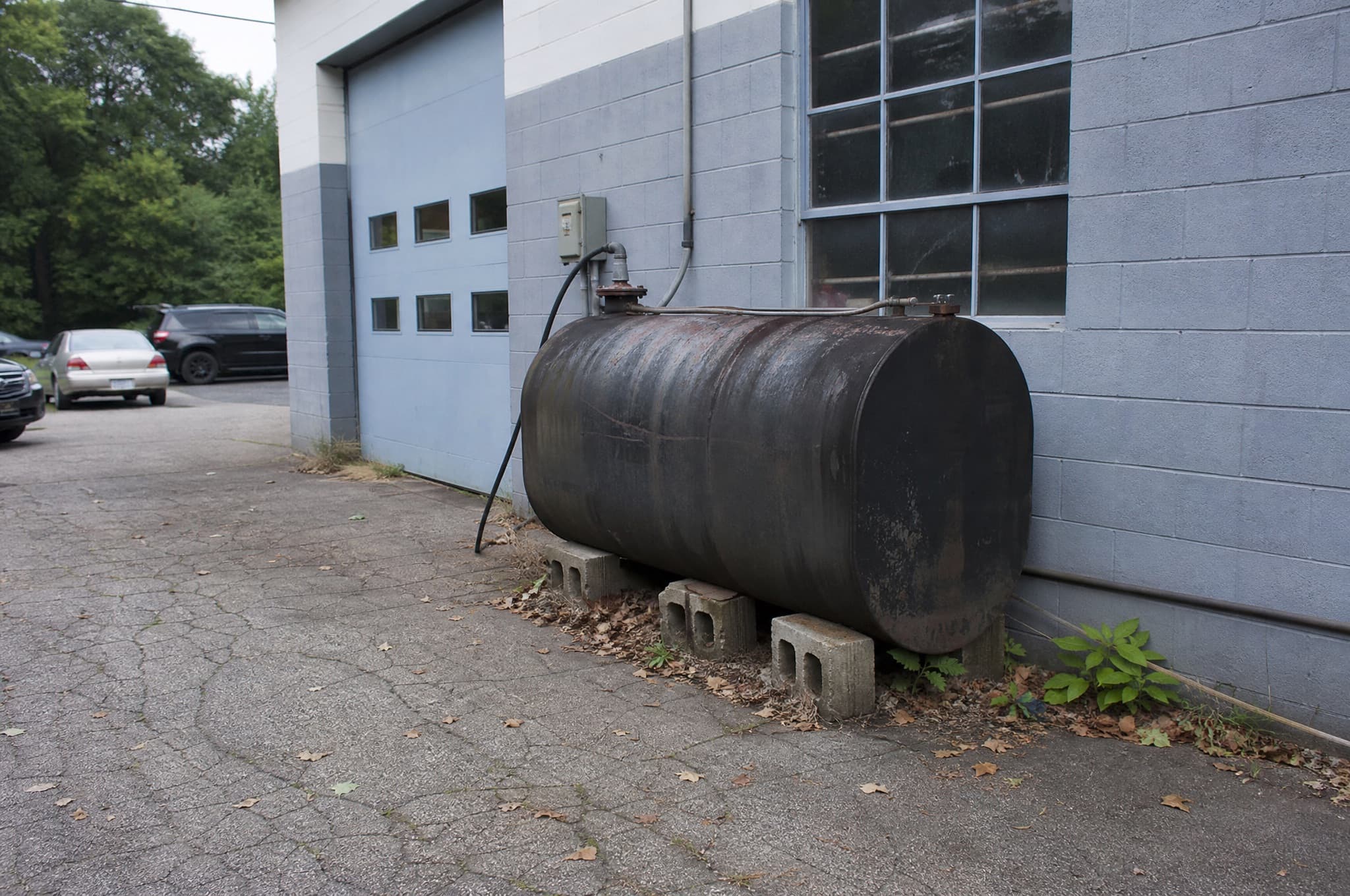
We installed this tank years ago without a permit and the county has found it.”
DEC says our registration does not match what is on site.”
Concrete deliverables, not a proposal to write one.
- Violation review memo: what the notice cites, what the code section actually requires and what will close it
- Site investigation findings with photographs and a record of the as-built system
- Corrective action strategy prepared for submission to the AHJ
- Corrective design drawings and specifications the contractor can price and build
- Permit applications for the corrective work, including after-the-fact applications for unpermitted installations
- Written correspondence with the agency: responses, schedule requests and status updates
- Closeout documentation: test certificates, inspection records and agency closure correspondence
How ZE approaches compliance and violation resolution.
Zambrano Enterprises provides specialized fuel-system design and technical consulting services. When professional engineering review or certification is required, ZE coordinates with appropriately licensed Professional Engineers through established professional relationships nationwide.
The correction is designed, not improvised
A violation gets fixed in the field, but it gets closed on paper. ZE designs the correction so the contractor builds exactly what was proposed to the agency, and the closeout file shows it. That avoids the second notice that follows a fix nobody documented.
Start with what the code section actually says
A notice cites a section of SCDHS Article 12, NYSDEC Part 613, 40 CFR 280, 9VAC25-580 or the fire code. What that section requires, and what the inspector will accept as compliance, is often narrower or wider than the notice suggests. ZE establishes that before proposing a fix, so the owner is not paying for more correction than the code requires, or less than the agency will accept.
Owner-led from notice to closure
Matt remains directly involved in the technical design and client coordination from the first conversation through closeout. The owner is talking to the specialist who reads the notice, builds the corrective strategy and writes to the agency, and so is the inspector.
How the work runs.
- STEP 1
Read the notice
Identify every cited section, the response deadline and the agency contact. Separate what is actually alleged from what the notice implies. Confirm whether a written response, a corrective schedule or a hearing appearance is required and by when.
- STEP 2
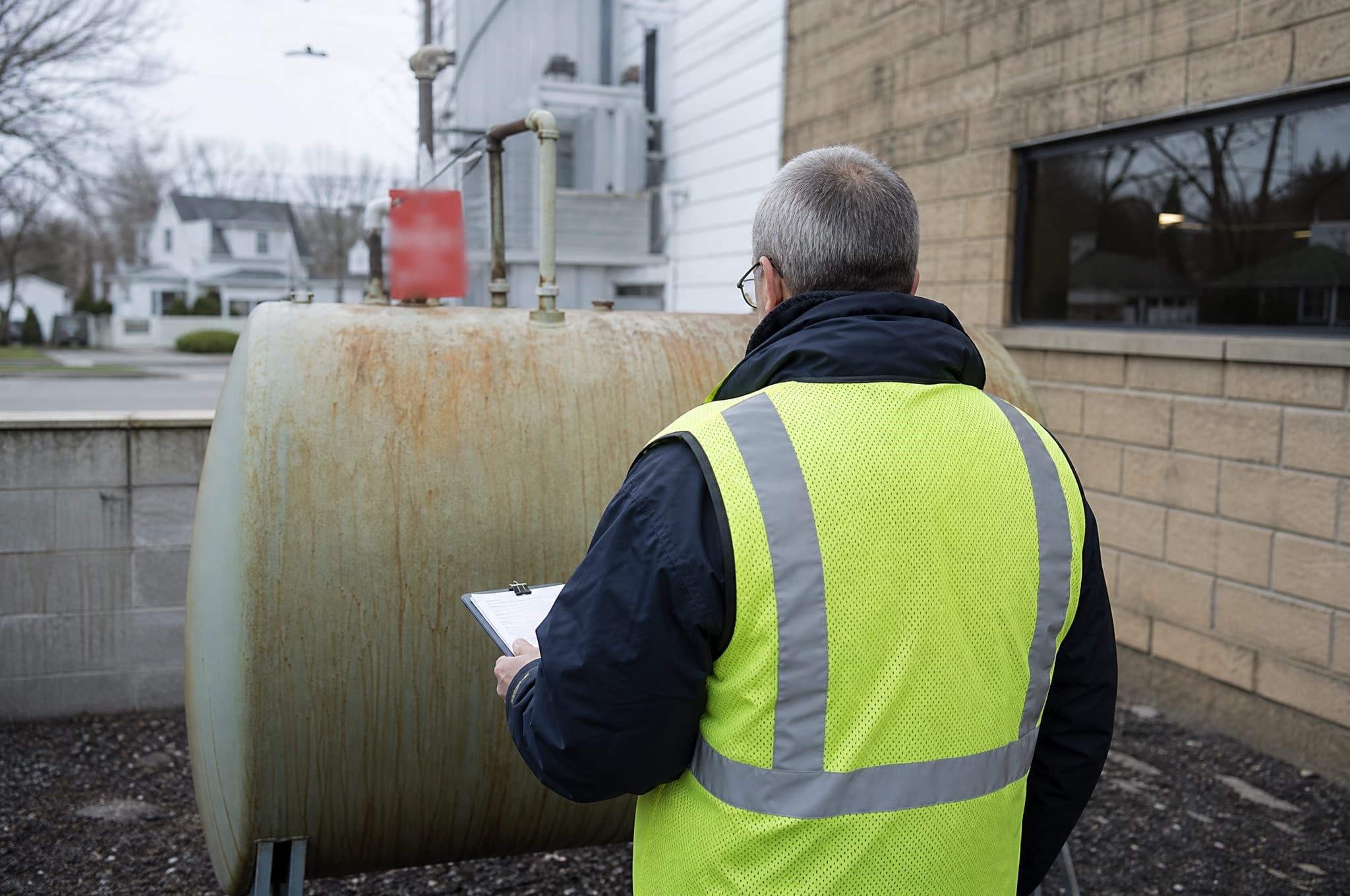
Investigate the installation
Visit the site, photograph the system and reconstruct what was installed, when, by whom and under what approvals. Pull the registration, permit and test history. The corrective design has to start from what is actually in the ground, not what the drawings from twenty years ago show.
- STEP 3
Develop a corrective strategy the AHJ will accept
Lay out the options: repair, replace, legalize as-is, or remove. Propose the one that closes the violation at the lowest reasonable cost and schedule, and present it to the agency in writing before anyone mobilizes.
- STEP 4
Design and permit the correction
Prepare corrective drawings and specifications and file the permits the correction requires. For unpermitted installations that means an after-the-fact permit package with as-built drawings, any required testing and any changes the AHJ requires to approve what is there.
- STEP 5
Support the contractor and close it out
Review the contractor's submittals, answer field questions, coordinate the inspections and tests the agency wants to witness, and assemble the closeout documentation. The engagement ends when the agency confirms the matter is closed, not when the contractor leaves.
About compliance and violation resolution.
Not answered here? Ask directly.
Talk to a Fuel-System SpecialistOur tank failed a tightness test. What happens next?
A failed test does not always mean a failed tank. It can be a line, a sump, a fitting or a test setup problem. ZE determines what failed, confirms what the agency has to be told and when, and designs the correction, whether that is a repair, a sump replacement or a tank replacement. In New York, a suspected release must be reported to the NYSDEC spill hotline within two hours, so the first call is about notification, not repair.
Can you get a certificate of occupancy released?
Often, yes. A CO hold over a fuel system usually comes down to a missing permit to operate, a missing test certificate, an unresolved fire-code comment or an installation that does not match the approved drawings. ZE identifies what is actually blocking the CO, coordinates with the building department, fire marshal and health department, and designs and permits whatever correction is needed.
We installed or modified a tank without a permit. Can it be legalized?
Usually, if the installation can be shown to meet the applicable standards or can be modified to meet them. The path is an after-the-fact permit application with as-built drawings, testing and any corrections the AHJ requires. In Suffolk County, for example, repairing, altering or returning an abandoned facility to service requires a Permit to Construct first, and the same logic applies to work done without one. Legalizing it before the agency finds it is almost always cheaper than responding to a notice.
Will we be fined?
ZE cannot control penalties. Agencies such as the SCDHS Office of Pollution Control can issue notices of violation, levy fines, issue orders on consent and hold formal hearings, and each agency handles penalties its own way. What an owner can control is how quickly it puts a credible corrective plan and schedule in front of the agency. In ZE's experience that is the single most effective thing an owner can do.
Do you perform the corrective work?
No. Zambrano Enterprises designs and permits the correction and supports the contractor through construction and closeout. The physical work, whether a sump replacement, a tank pull or a containment retrofit, is performed by a petroleum contractor. ZE works with contractors the owner already uses or can recommend experienced ones.
Usually part of the same project.
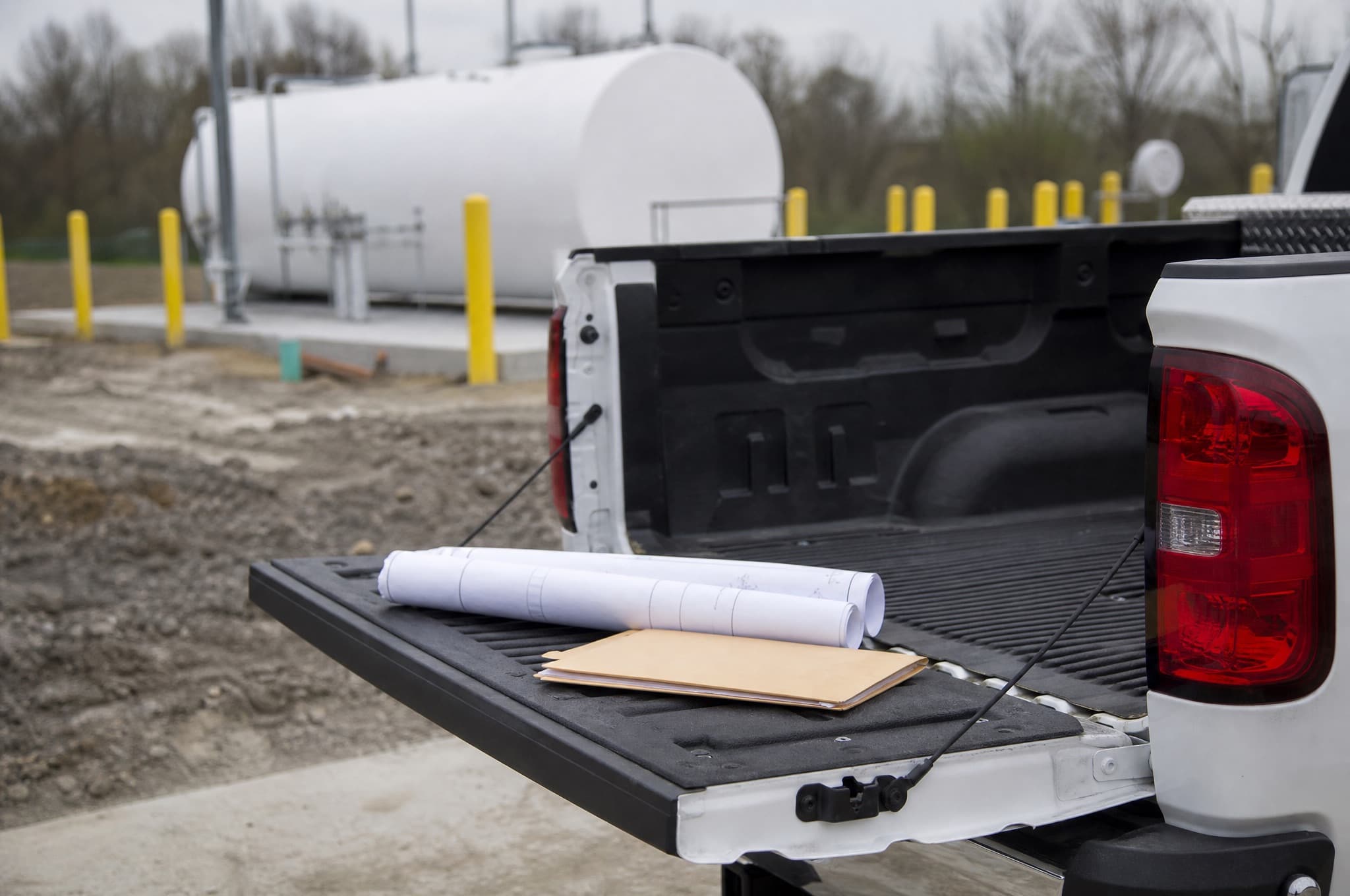
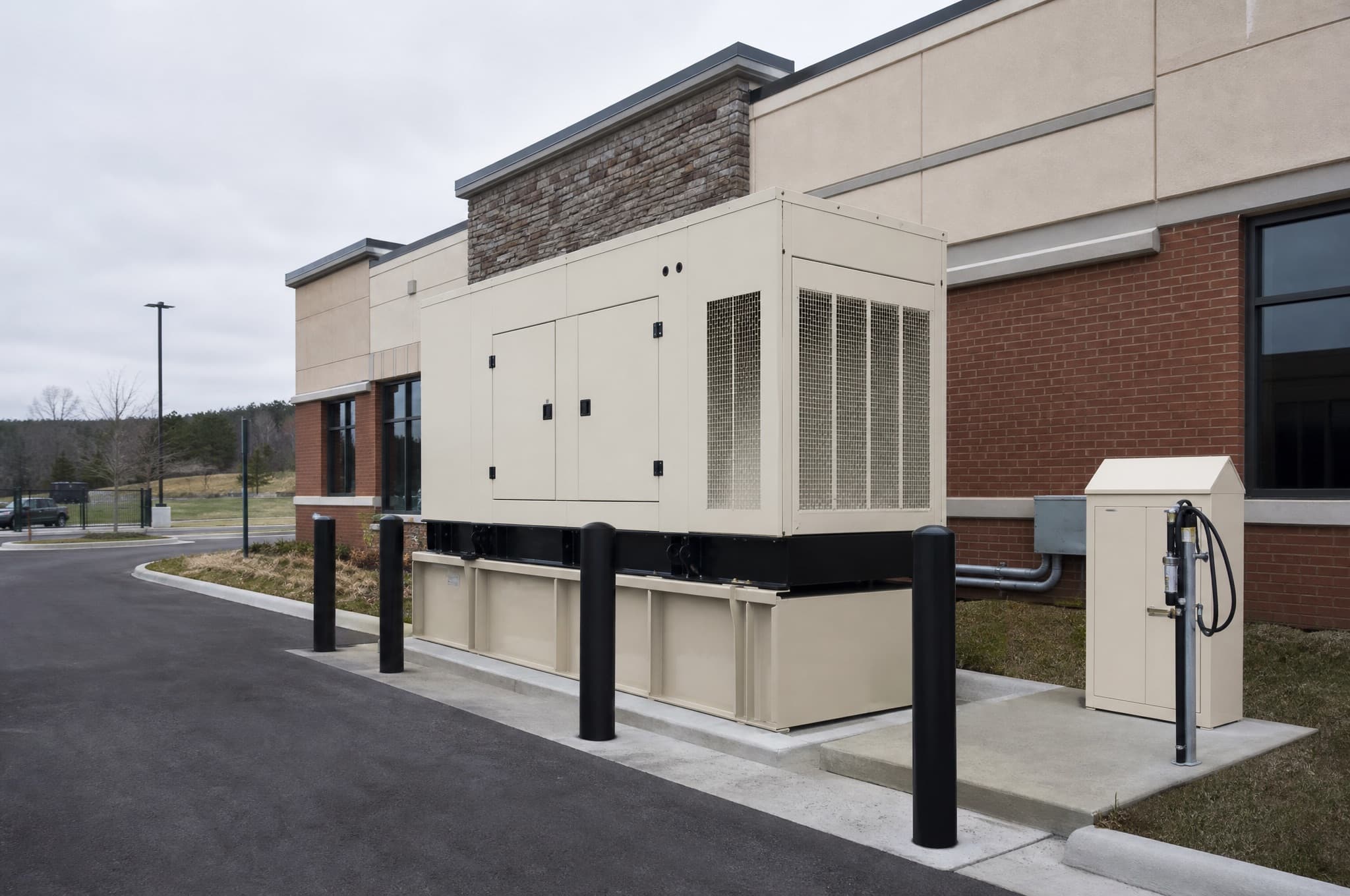
Fuel Tank Permitting
Permit due diligence and approvals from every authority having jurisdiction, handled as part of the design rather than an afterthought.
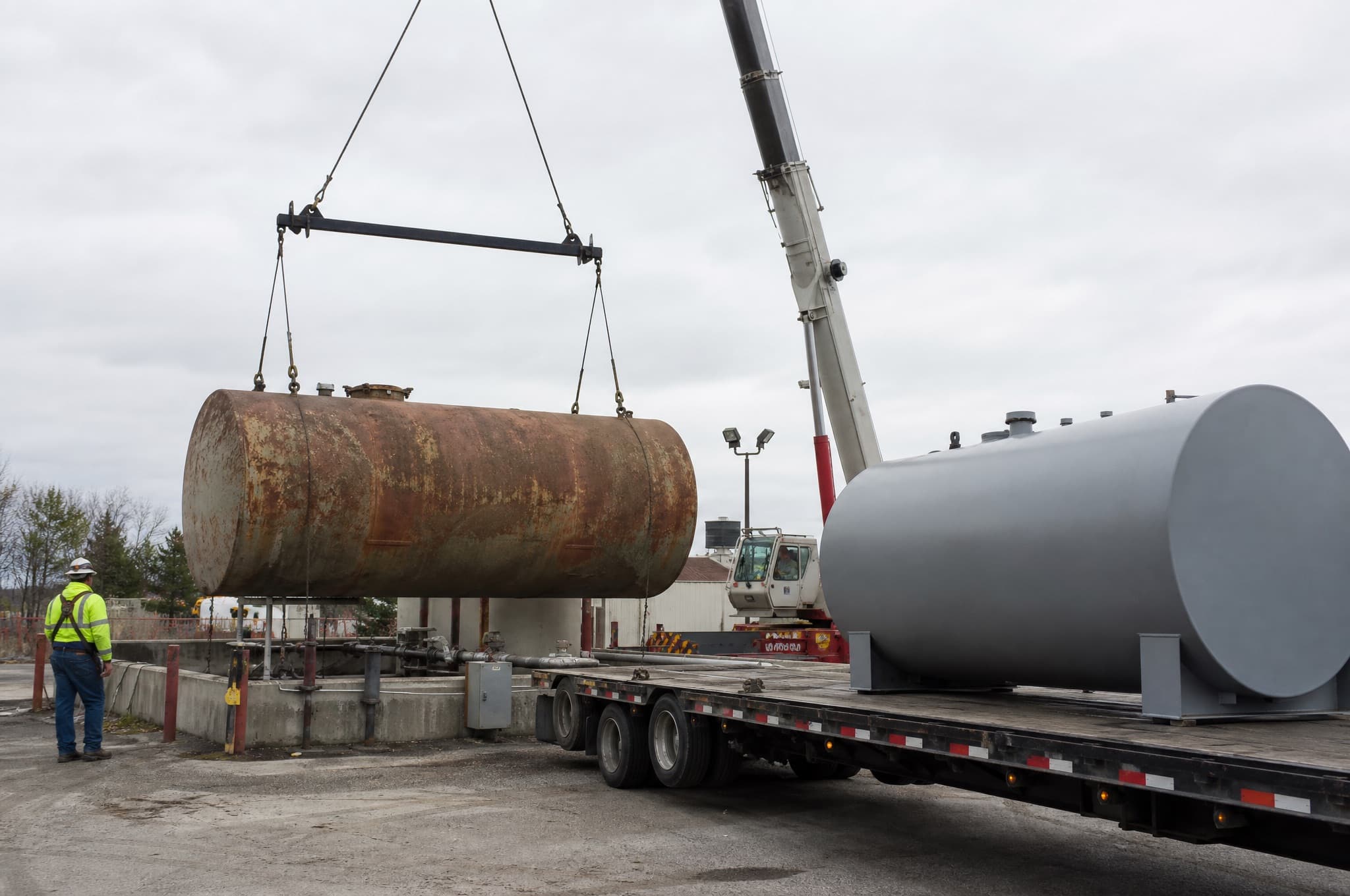
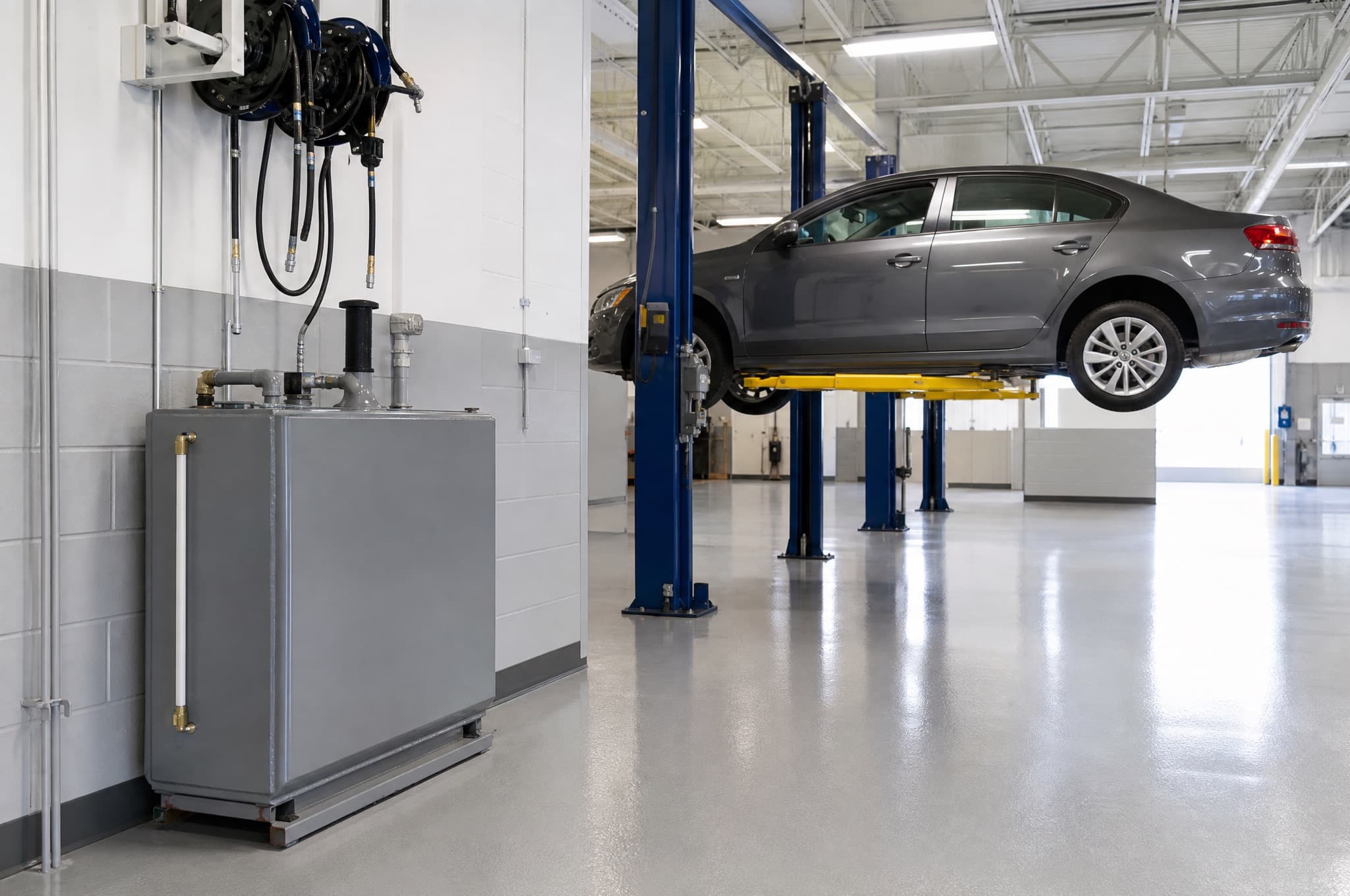
Fuel System Upgrades and Replacements
Aging tank replacement, capacity expansion, UST-to-AST conversion, sump replacement and overfill or containment corrections.
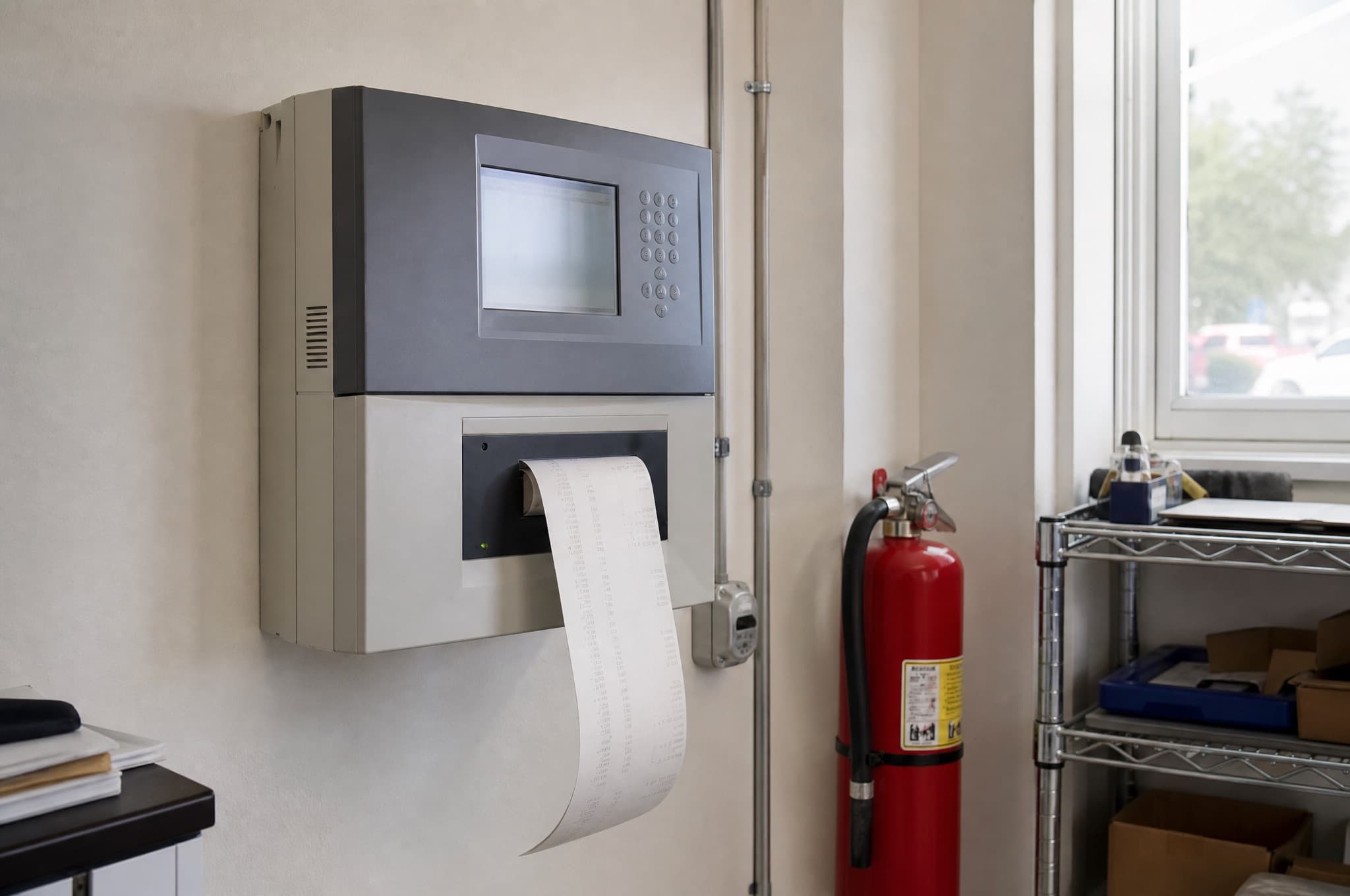
PBS Registration and Renewal
NYSDEC Petroleum Bulk Storage registrations, renewals and modifications kept current and accurate.
Send us the situation. We'll tell you the path.
Photos, a violation notice, an inspection report, or just a description of the site. Matt reviews every inquiry personally and comes back with a clear next step.