
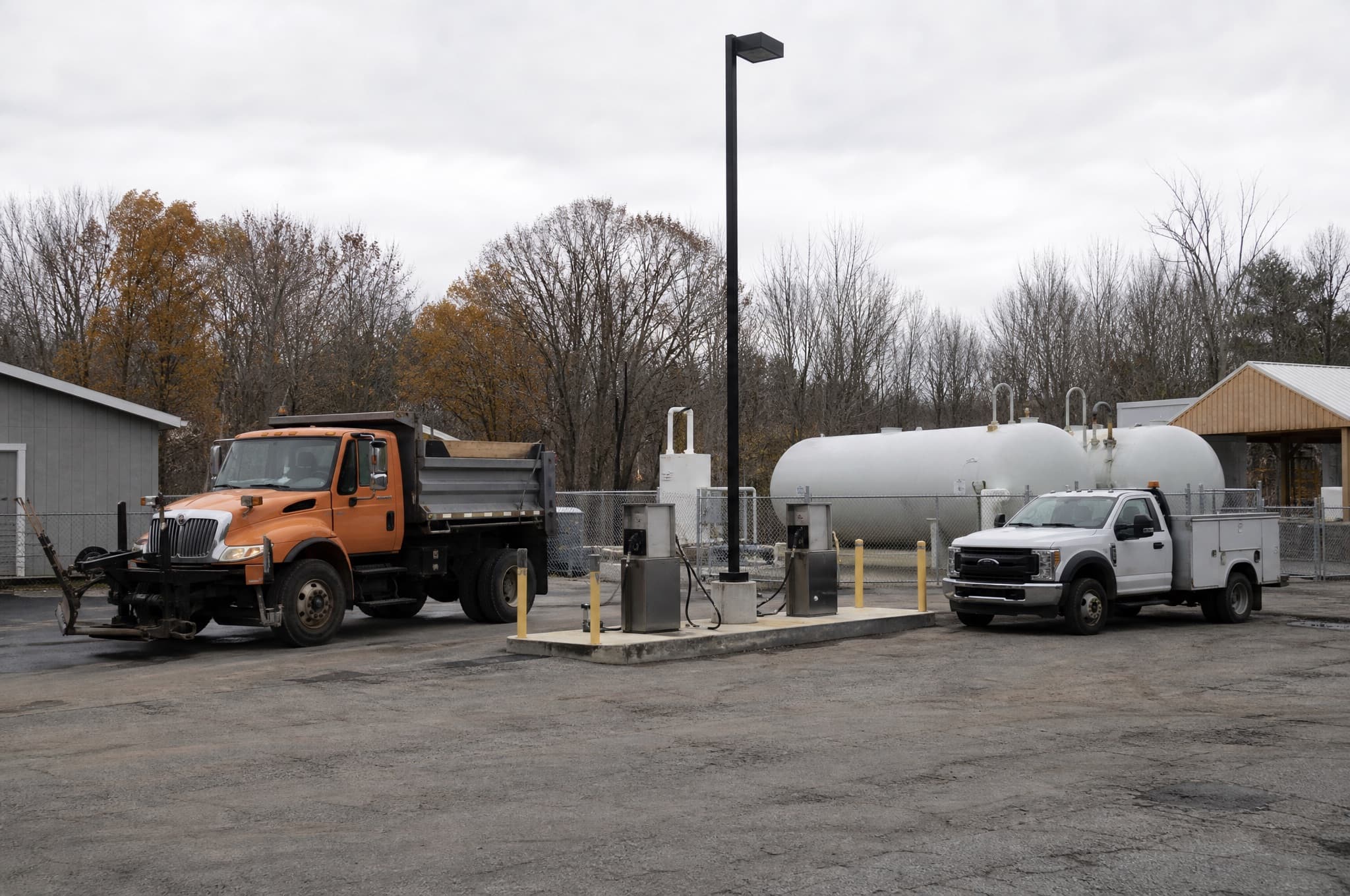
Fleet and municipal fueling designed before it goes out to bid
Highway garages, transit yards, utilities and private fleets run on fuel systems that were sized for a different fleet. ZE defines the scope, permits it and gives every contractor the same system to price.
If you run a highway department, a transit yard, a utility fleet or a private fleet, you probably inherited the fuel island. Two underground tanks from the nineties, a diesel aboveground tank the fuel vendor dropped off later, a card-lock pedestal that was state of the art when it was installed, and a DEF tote nobody planned for. Fleet fueling systems grow by accretion, and the file that goes with them is usually thinner than the system.
Then something forces the issue. A sump fails its tightness test. The ATG throws alarms nobody trusts. The county health department or DEC inspects and writes up overfill protection, a spill bucket or an unregistered tank. The diesel fleet doubled and the gasoline tank is now oversized while the diesel tank runs short between deliveries. The yard is moving and the question is what comes along. Or a review turns up a tank that was installed without a permit and nobody knows when.
Municipal and utility work has an extra layer: the project has to be bid, and the scope on paper is the scope that gets priced. That is where design-first matters most. ZE works for the owner, or alongside the town engineer or consultant holding the contract, to define tank, piping, dispensing, fuel management, electrical and permit conditions before bid. Bidders price the same system, the AHJs have already reviewed it, and the change orders that come from field guessing mostly do not happen.
Typical projects
- Replacement of aging fleet USTs with new double-wall tanks or an aboveground fleet fueling system
- Fleet-fueling facility modernization: dispensers, card-lock fuel-management system, ATG and leak detection
- Storage-capacity changes when the fleet or fuel mix changes (more diesel, less gasoline, added DEF)
- Replacement of failed or deteriorated STP and dispenser sumps found during tightness testing
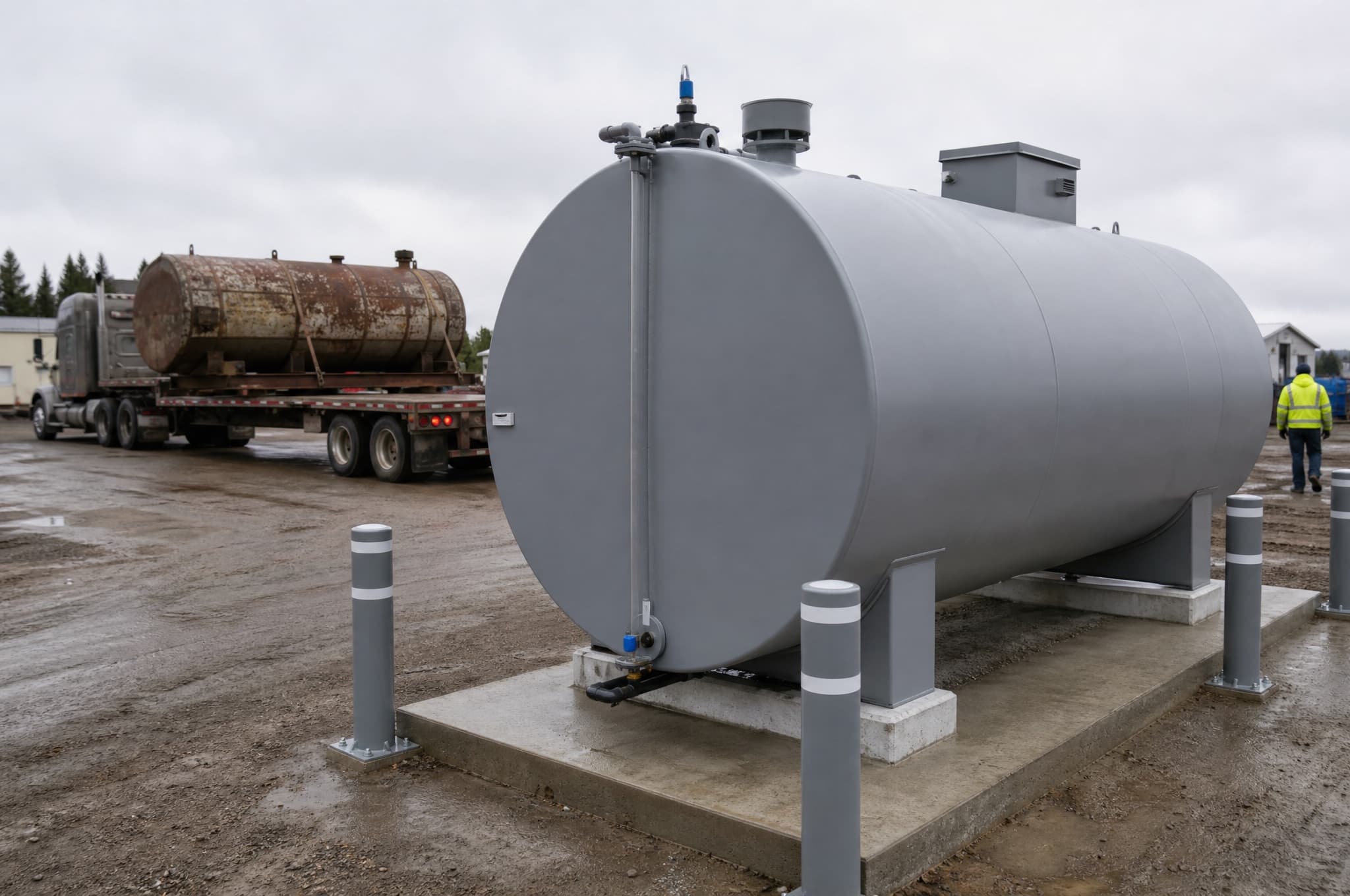
- Relocation of existing ASTs to a new highway garage or yard
- Resolution of petroleum storage violations issued after a county health, DEC or DEQ inspection
- Legalization of a fuel AST installed without a permit at a municipal or utility yard
- Overfill-protection and secondary-containment corrections on existing fleet tanks
What has to be settled in design for fleet and municipal fueling.
Authorities that typically have jurisdiction
- NYSDEC (Part 613 Petroleum Bulk Storage)
- SCDHS, NCDH or WCDOH on Long Island and in Westchester
- Town, village or city building department and fire marshal
- NYC DOB and FDNY inside the five boroughs
- VA DEQ (9VAC25-580 and 9VAC25-91) and the local fire official
- Outside these jurisdictions, the state, county and local authorities having jurisdiction at the project site
Jurisdiction varies by site, tank size and product. ZE confirms the applicable authorities during permit due diligence.
Size to the fleet you have, not the one you had
Tank capacity should come from actual consumption by product, delivery frequency and minimum drop size, and how much turnover the fuel needs to stay fresh. A yard that added plug-in vehicles or shifted to diesel has a different answer than it did ten years ago. Oversized gasoline tanks and undersized diesel tanks are both common, and both are design questions rather than field questions.
Card-lock and fuel management are part of the system
A fuel-management system controls who can fuel, records by vehicle and reconciles against ATG inventory. Pedestal type, key or RFID, back-office reporting, ATG interface and emergency stops all need to be selected together with the dispensers. NFPA 30A includes provisions for fleet vehicle fueling and unattended dispensing, and how an AHJ applies them to an after-hours municipal yard varies.
Underground or aboveground at a yard
Many fleet yards can move to aboveground storage, which changes the leak-detection and closure picture. The trade is separation distance. UL 142 tanks need more clearance to property lines, buildings and dispensing than UL 2085 protected tanks, and the fire code tables the local fire marshal applies vary by jurisdiction. Vehicle impact protection, zoning and how the tank looks from the road all come into it.
Public bidding needs a defined system
Public procurement rules generally require the owner to describe what it is buying. A drawing set and specification that name the tank, piping, dispensers, fuel-management system, electrical scope and permit conditions is what lets three contractors price the same thing. Without it, the low bid is the contractor who assumed the least.
Keeping vehicles fueled during construction
Plows, buses and utility trucks do not stop for a tank replacement. Phasing, temporary fueling, and whether a fuel-card program can cover the gap need to be settled in design so the contractor's schedule reflects reality and the fire marshal has seen the temporary arrangement.
Registration and the obligations that follow
In New York, NYSDEC Part 613 registration typically applies once aggregate storage reaches 1,100 gallons or any UST holds 110 gallons or more, with county permits layered on in Suffolk (SCDHS Article 12), Nassau (NCPHO Article XV) and Westchester (Article XXV). In Virginia, DEQ administers USTs under 9VAC25-580 and ASTs under 9VAC25-91, where registration, pollution prevention and contingency plan requirements vary based on the capacity of the individual tank and the facility's aggregate storage capacity. Regulated USTs also carry federal operator training under 40 CFR 280 Subpart J, periodic walkthrough inspections and three-year equipment testing. Design should leave the owner with a file that supports all of it.
Where ZE fits on a fleet and municipal fueling project.

Fuel System Design
Complete, constructible fuel-system designs with equipment, configuration, codes and AHJ requirements vetted before the contractor prices the job.

Fuel Management Systems
Fuel-control, tank-gauging and monitoring system selection and integration for fleet, municipal and commercial fueling.
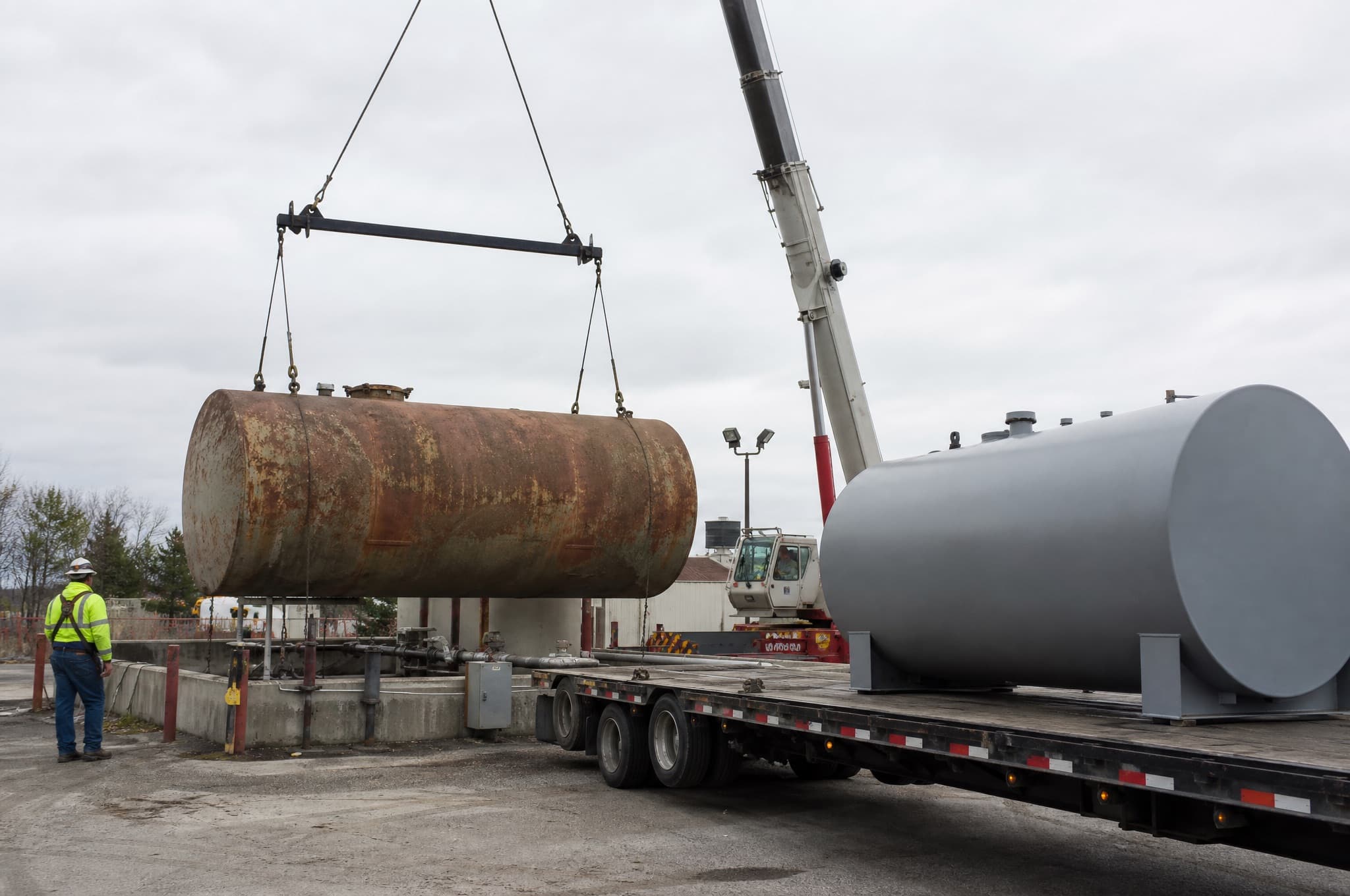
Fuel System Upgrades and Replacements
Aging tank replacement, capacity expansion, UST-to-AST conversion, sump replacement and overfill or containment corrections.
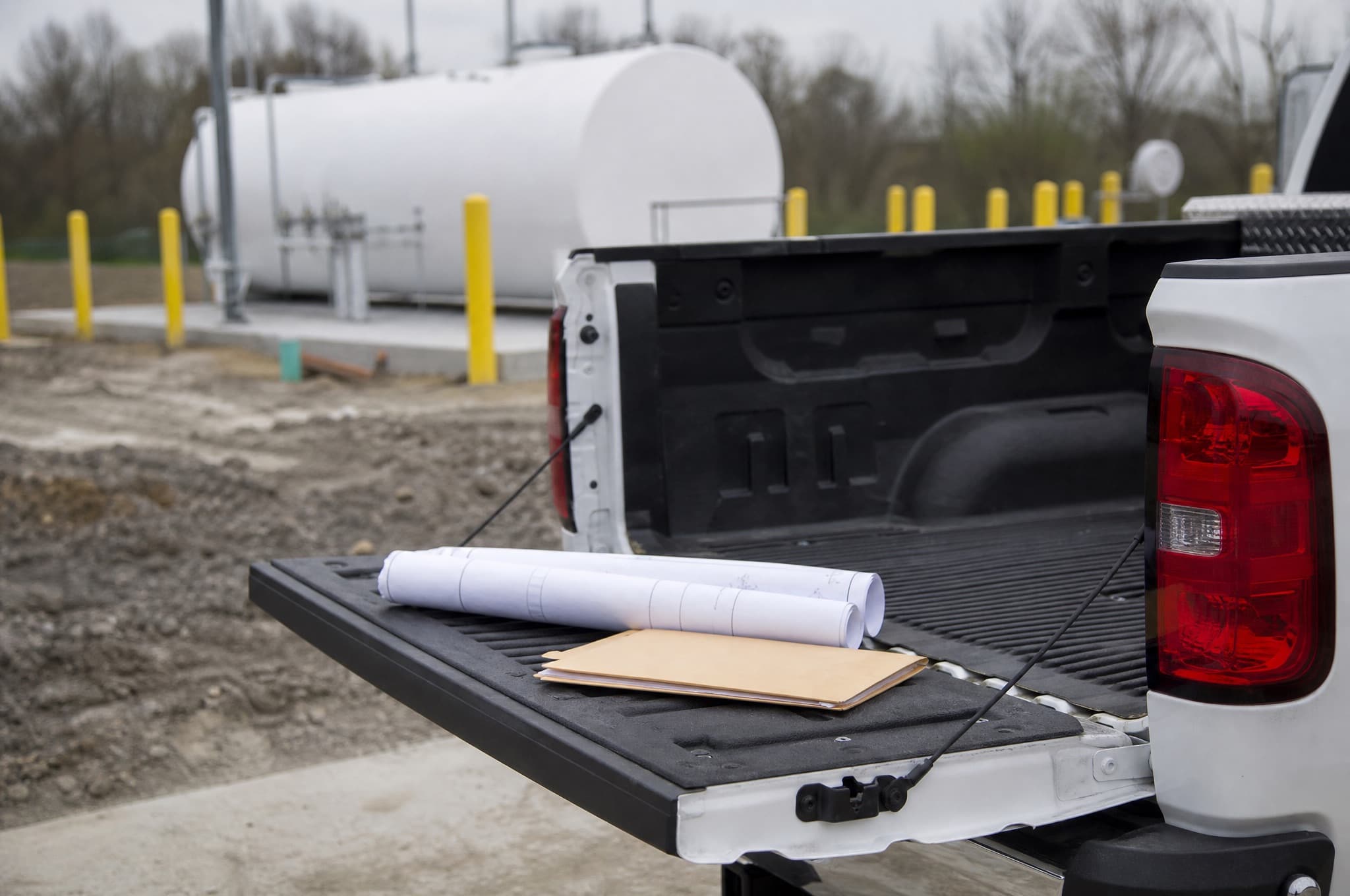
Fuel Tank Permitting
Permit due diligence and approvals from every authority having jurisdiction, handled as part of the design rather than an afterthought.
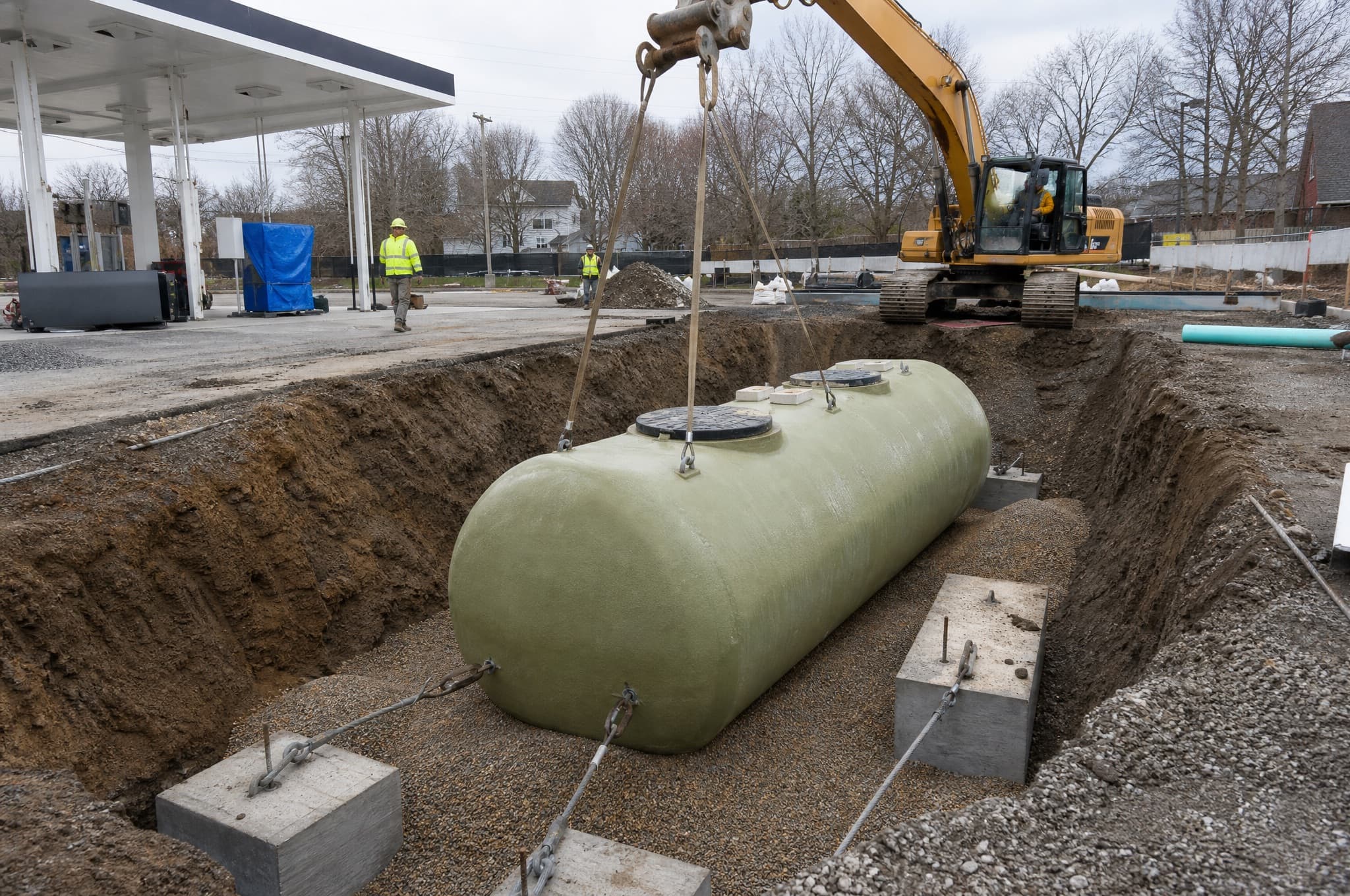
UST System Design
Underground storage tank systems: tank, piping, sumps, leak detection and dispensing, designed to the applicable federal, state and county rules.
Start with your situation
 I need to replace or upgrade a tankAging tanks, failed sumps, more capacity, or a UST-to-AST conversion.
 I'm planning a new fueling systemFleet, retail, generator, marina or aviation fueling from a blank page.
 I'm moving or expanding my facilityRelocating ASTs, adding storage, or fueling at a new site.
About fleet and municipal fueling.
Not answered here? Ask directly.
Talk to a Fuel-System SpecialistOur USTs are more than 25 years old but still pass testing. Do we have to replace them?
In most jurisdictions, age alone does not force replacement. The triggers are a failed test, single-wall construction an AHJ or insurer no longer accepts, or a component that can no longer be maintained. The practical point is timing. A replacement planned around the fleet's schedule and bid properly costs less than one forced by a failed test in January. ZE can evaluate the system and lay out the options with the applicable rules for your county or state.
Can we switch from underground to aboveground tanks at our yard?
Often yes. The deciding factors are usually separation distances under the fire code the local fire marshal enforces, lot layout, zoning and vehicle traffic. UL 2085 protected tanks reduce required clearances compared with UL 142 tanks. Aboveground storage also changes registration, containment and SPCC obligations, so the decision belongs in design rather than in the contractor's proposal.
We have to bid this publicly. What do we need from a designer?
A drawing set and specification that define the tank, piping, dispensing, fuel-management system, electrical scope, testing and closeout requirements, plus the permit conditions the AHJs have already reviewed. That is what makes bids comparable. ZE also reviews bids and submittals and answers field questions on the owner's side of the table.
What does a fuel-management system actually change for a municipal fleet?
It replaces the honor system. Fueling is limited to authorized vehicles and drivers, every transaction is tied to a unit and odometer, and the totals reconcile against tank-gauge inventory. For a public fleet that means auditable fuel records and an early warning when a transaction pattern or an inventory variance looks wrong.
Does the town need designated UST operators?
For regulated USTs, federal rules under 40 CFR 280 Subpart J require designated Class A, B and C operators, and the states implement that through their own programs. Aboveground-only yards generally do not carry that requirement, which is one more factor in the UST-versus-AST decision.
Send us the situation. We'll tell you the path.
Photos, a violation notice, an inspection report, or just a description of the site. Matt reviews every inquiry personally and comes back with a clear next step.