

Fuel control and tank monitoring built around how your fleet fuels.
Card-lock and fuel-control terminals, automatic tank gauges, sensors and reporting selected and integrated so every gallon is authorized, recorded and reconciled against the tank.
The call usually starts like this.
If one of these sounds like your site, the form above is the fastest way to get a defined path back.
We cannot reconcile what the tank gauge says with what the fuel log says.”
Drivers fuel with a shared key and we have no record of who took what.”
Our ATG is twenty years old, the printer is its only output, and nobody reads it.”
We're building a new fleet yard and the spec just says fuel management system.”
The county asked for our leak-detection records and we are pulling them off paper receipts.”
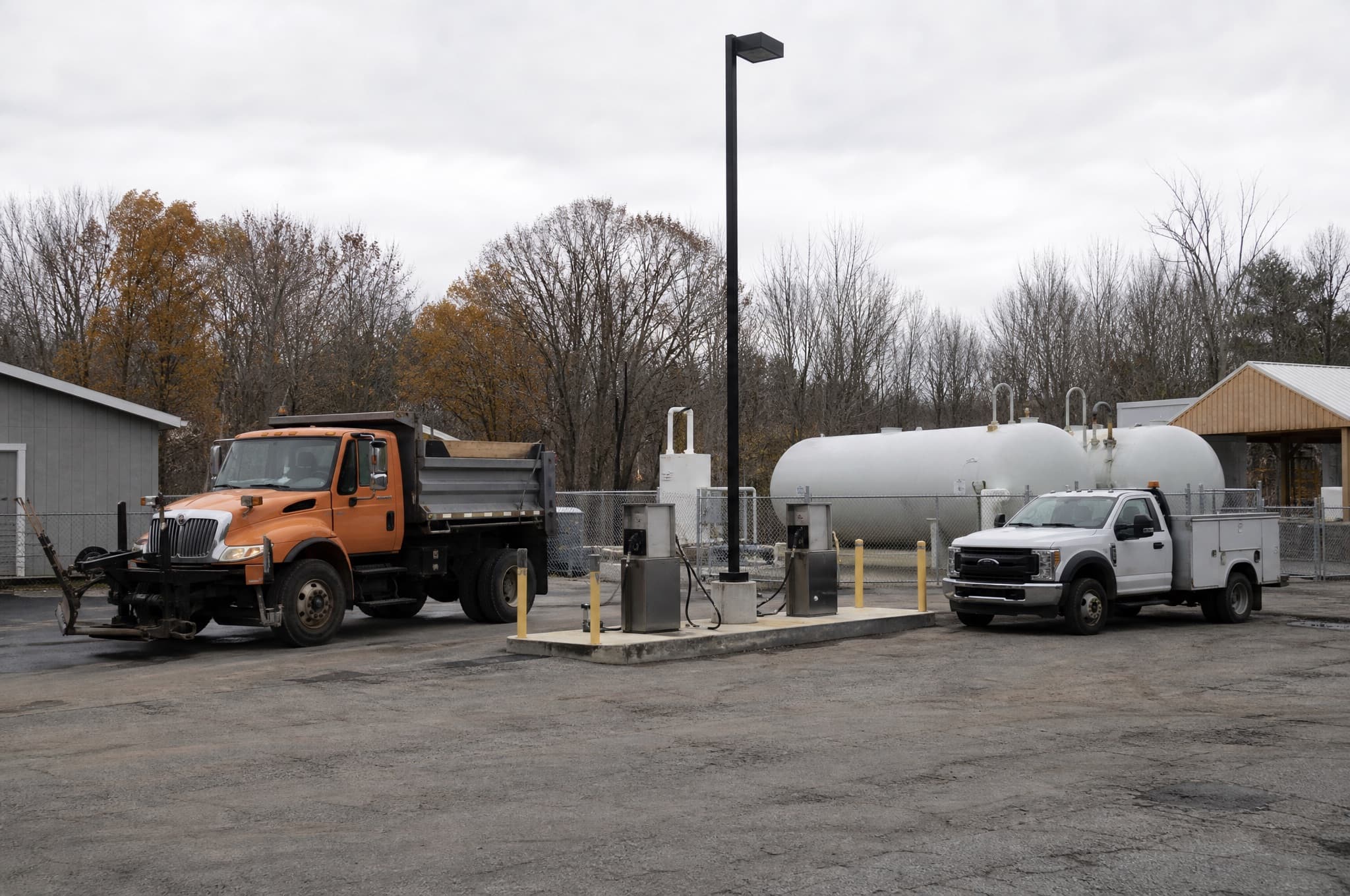
Concrete deliverables, not a proposal to write one.
- Fuel management system specification: fuel-control terminal, authorization method, dispenser interface and reporting
- ATG and monitoring specification: console, tank probes, sump and interstitial sensors, line leak detection and alarms
- Integration diagram: terminal to dispenser, ATG to terminal, network, power and conduit routing
- Reporting requirements: inventory reconciliation, transaction export, release-detection and compliance reports
- Conduit and wiring coordination for the electrical contractor
- Submittal review and startup checklist
How ZE approaches fuel management systems.
Zambrano Enterprises provides specialized fuel-system design and technical consulting services. When professional engineering review or certification is required, ZE coordinates with appropriately licensed Professional Engineers through established professional relationships nationwide.
Independent of the equipment vendor
ZE specifies the system to the operation: how many vehicles, which fuels, who is allowed to fuel, what the office needs to see and what the AHJ needs on file. The equipment is chosen to meet that, not the other way around.
Compliance records built in
For USTs, the ATG produces the monthly release-detection results and alarm history that 40 CFR 280, NYSDEC Part 613 and the county programs expect to see. The design makes sure the probes, sensors and console are configured so those records exist without anyone transcribing them.
Integrated with the dispensing system
Pulsers, dispenser electronics, positive shutdown, tank-level lockouts and the authorization method (card, key, fob, vehicle tag or PIN) are coordinated with the dispensers and the ATG so the system reconciles instead of arguing with itself.
How the work runs.
- STEP 1
Investigate
Fleet size and vehicle mix, fuel types, fueling hours, existing dispensers, ATG and network, and what the office and the AHJ actually need out of the reports.
- STEP 2
Develop the system strategy
Authorization method, reporting and export requirements, ATG scope (new console, probe and sensor additions, or full replacement), dispenser interface and phasing around the existing operation.
- STEP 3
Design and specify
Fuel management and ATG specifications, integration diagram, conduit and wiring coordination and the equipment schedule the contractor prices from. Where the work is part of a larger tank or dispenser project, it is folded into that permit set.
- STEP 4
Support installation and startup
Submittal review, installation questions, startup verification, confirmation that the reports and alarms come out as designed, and a handoff to the people who will run it.
About fuel management systems.
Not answered here? Ask directly.
Talk to a Fuel-System SpecialistWhat is the difference between a fuel management system and an ATG?
A fuel management system (fuel-control or card-lock system) controls who can fuel, authorizes the dispenser and records each transaction by vehicle, driver and quantity. An automatic tank gauge measures the tank: product level, water, temperature, and, on a UST, the release-detection results the regulator wants. They are separate systems from separate parts of the industry, and the useful part is integrating them so dispensed gallons reconcile against tank inventory.
Do I need an ATG to be compliant?
For a UST, you need a release-detection method that meets 40 CFR 280 and the state program, and an ATG performing monthly monitoring is the most common way to do that, usually paired with interstitial sensors on a double-wall system. It is not the only method. For an AST, release detection is handled differently, through inspection, inventory and containment requirements that vary by state, and an ATG is more about inventory control than regulatory monitoring. ZE confirms what the specific site needs.
Can the system authorize by vehicle instead of by card?
Yes. Options include vehicle-mounted tags or nozzle rings that identify the vehicle automatically, key fobs, driver cards, PINs and combinations of these, with odometer or hour-meter capture where the fleet wants it. The right choice depends on how much control you want at the pump and how much you trust the process around it.
Will it work with our existing dispensers?
Usually, if the dispensers have a pulser or electronic output the terminal can read and are in reasonable condition. Older mechanical commercial dispensers can often be fitted with a pulser. Retail-style electronic dispensers need a different interface. ZE checks the dispenser model and wiring during investigation rather than assuming.
What records does the tank monitoring system need to keep?
For a UST under the current federal rule: monthly release-detection results, alarm and sensor history, and the annual operability test of the release-detection equipment (probes, sensors, line leak detectors and the console). State and county programs may want additional reports, and a delegated county such as Suffolk can ask for them at inspection. The design sets the console up so those reports print or export on demand.
Usually part of the same project.
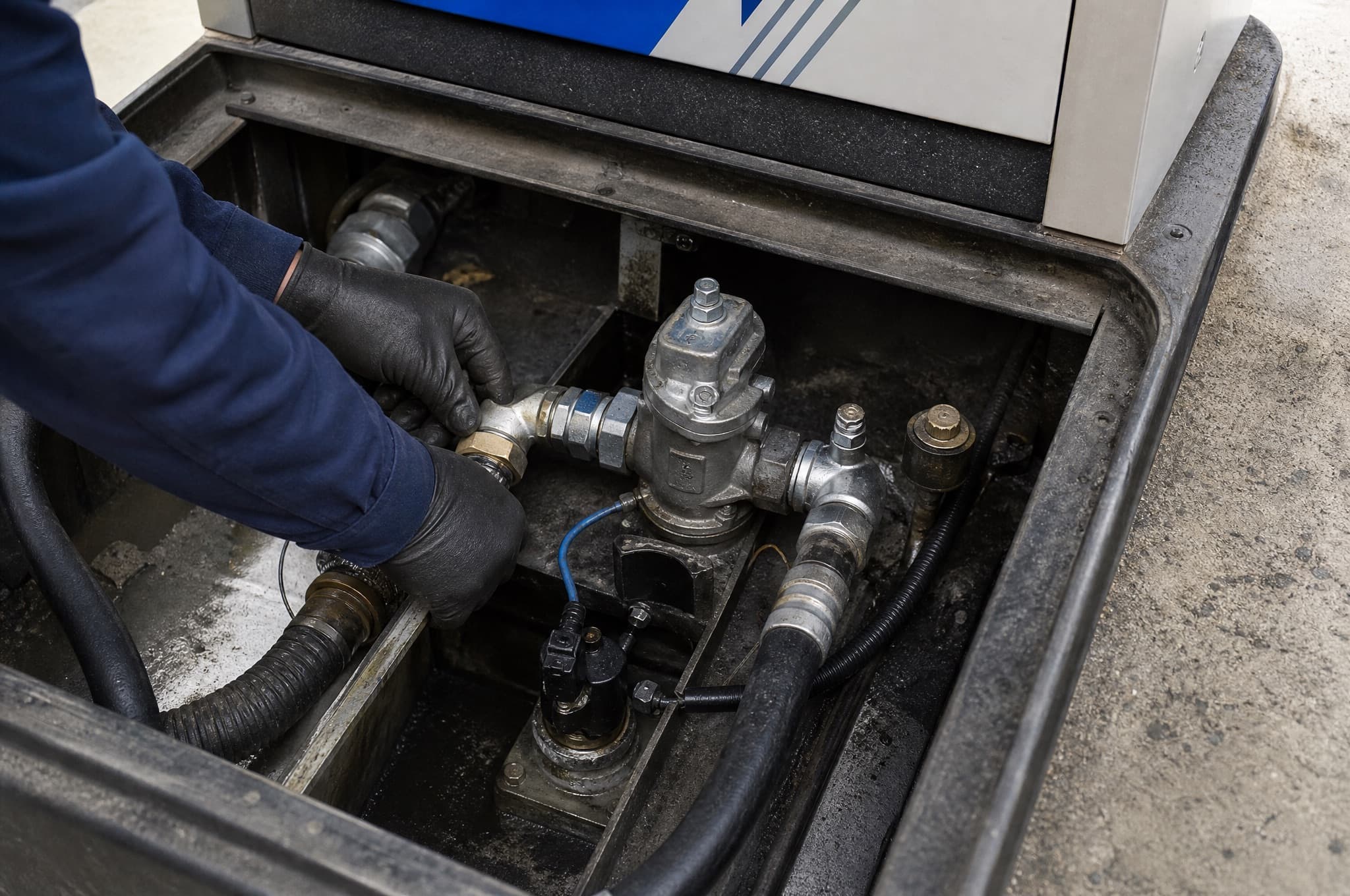
Fuel Piping and Dispensing Systems
Product piping, dispensers, sumps, vapor recovery and fuel-management interfaces designed as one coordinated system.
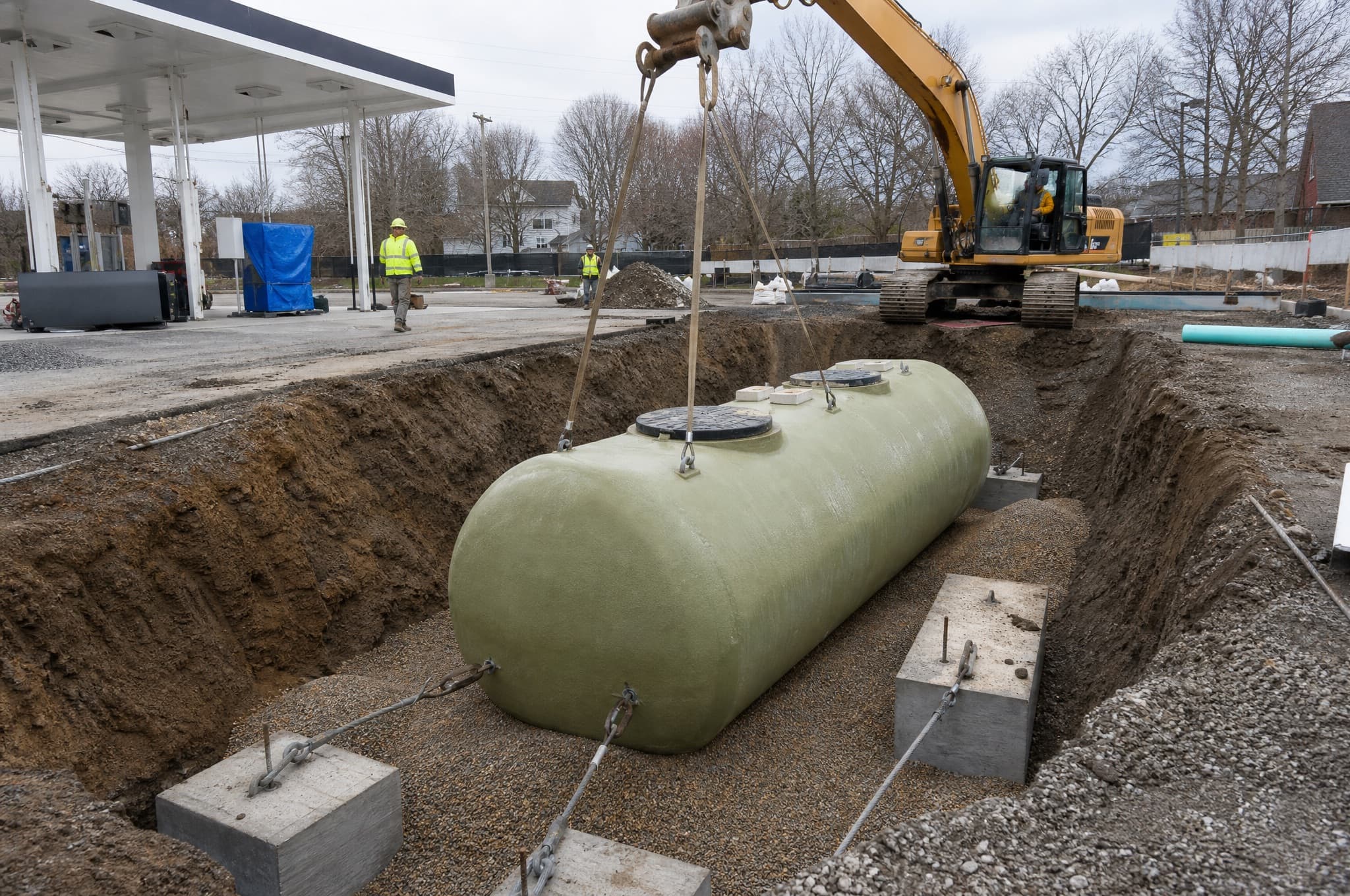
UST System Design
Underground storage tank systems: tank, piping, sumps, leak detection and dispensing, designed to the applicable federal, state and county rules.
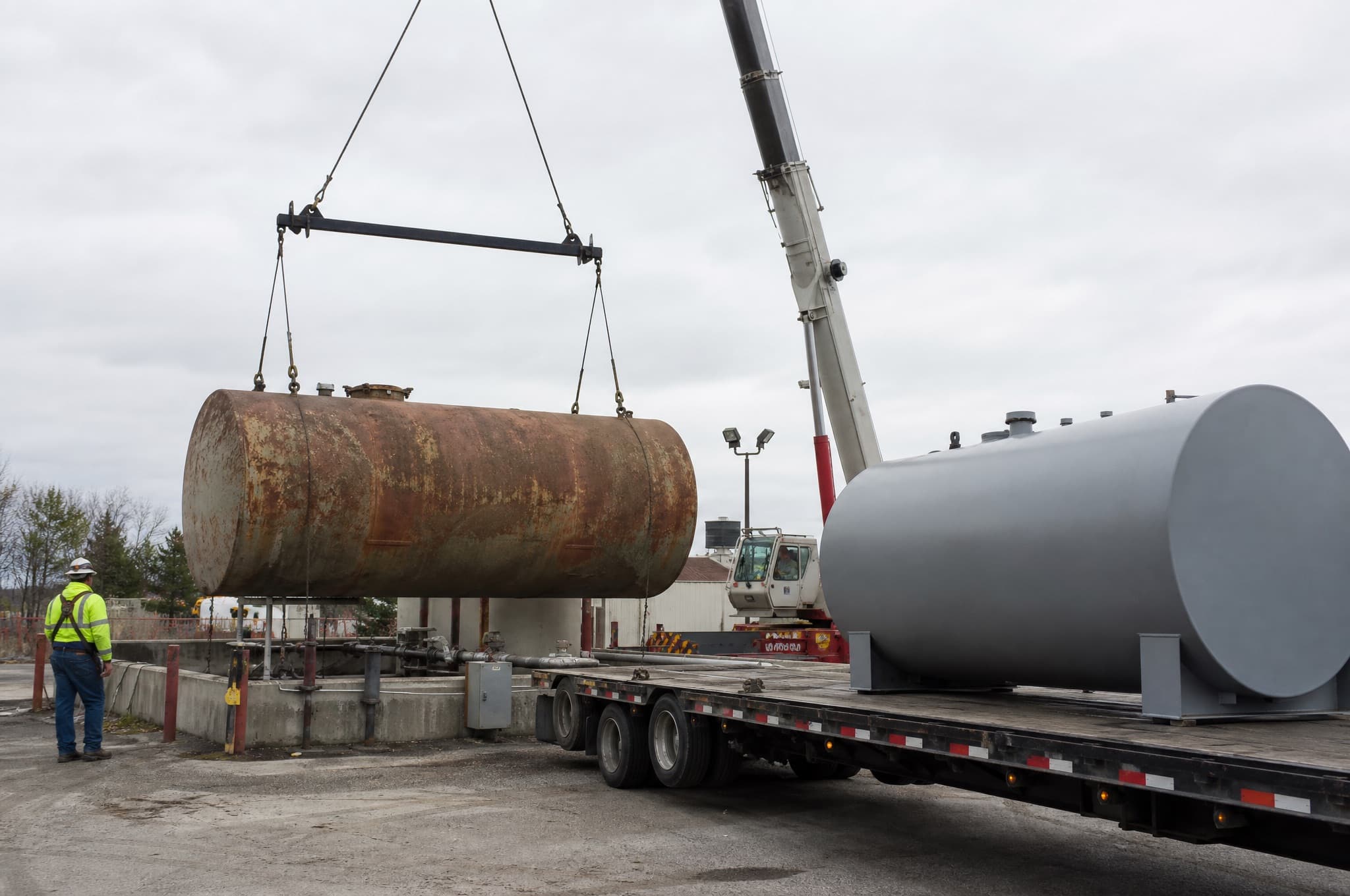
Fuel System Upgrades and Replacements
Aging tank replacement, capacity expansion, UST-to-AST conversion, sump replacement and overfill or containment corrections.
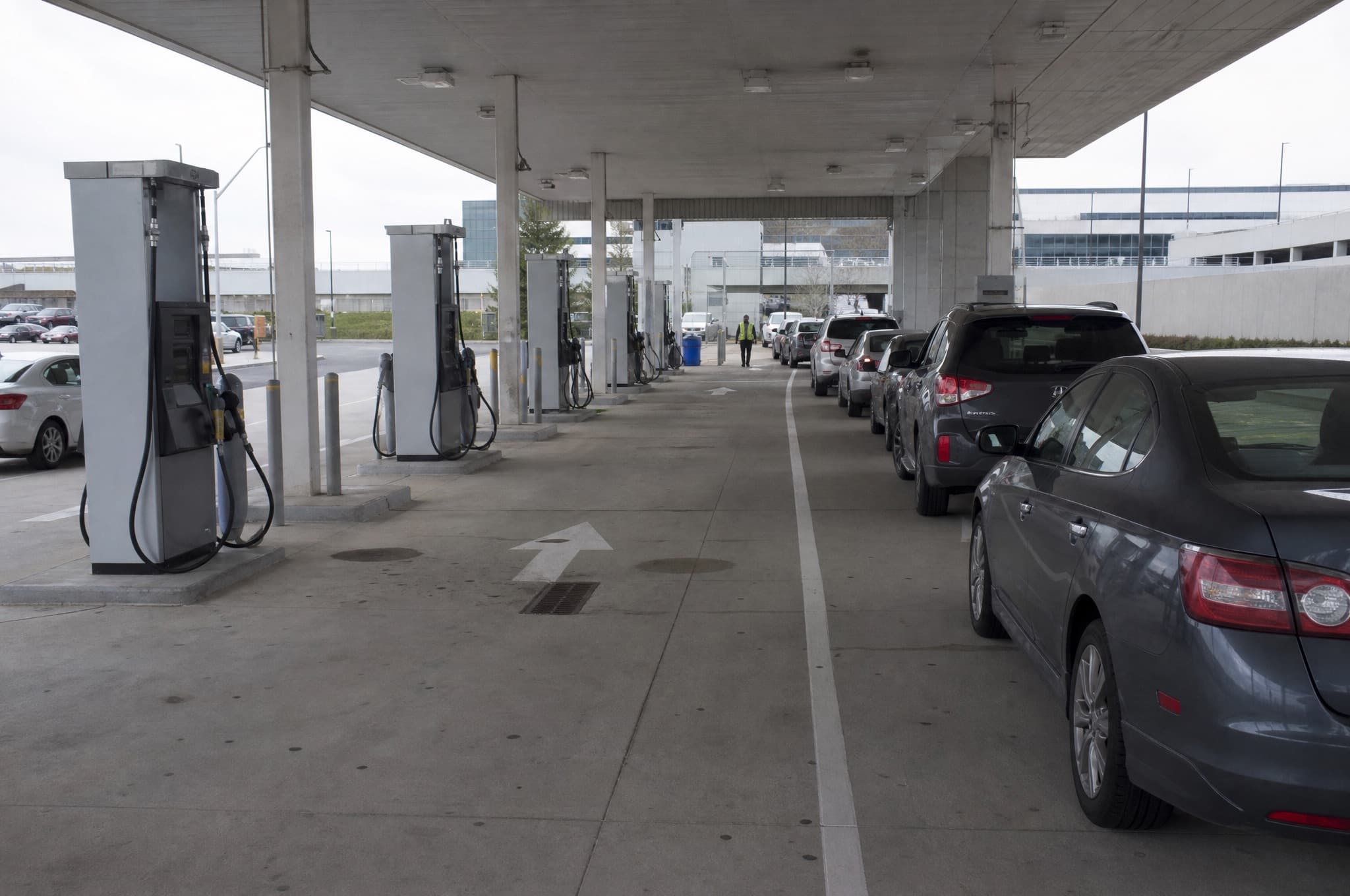
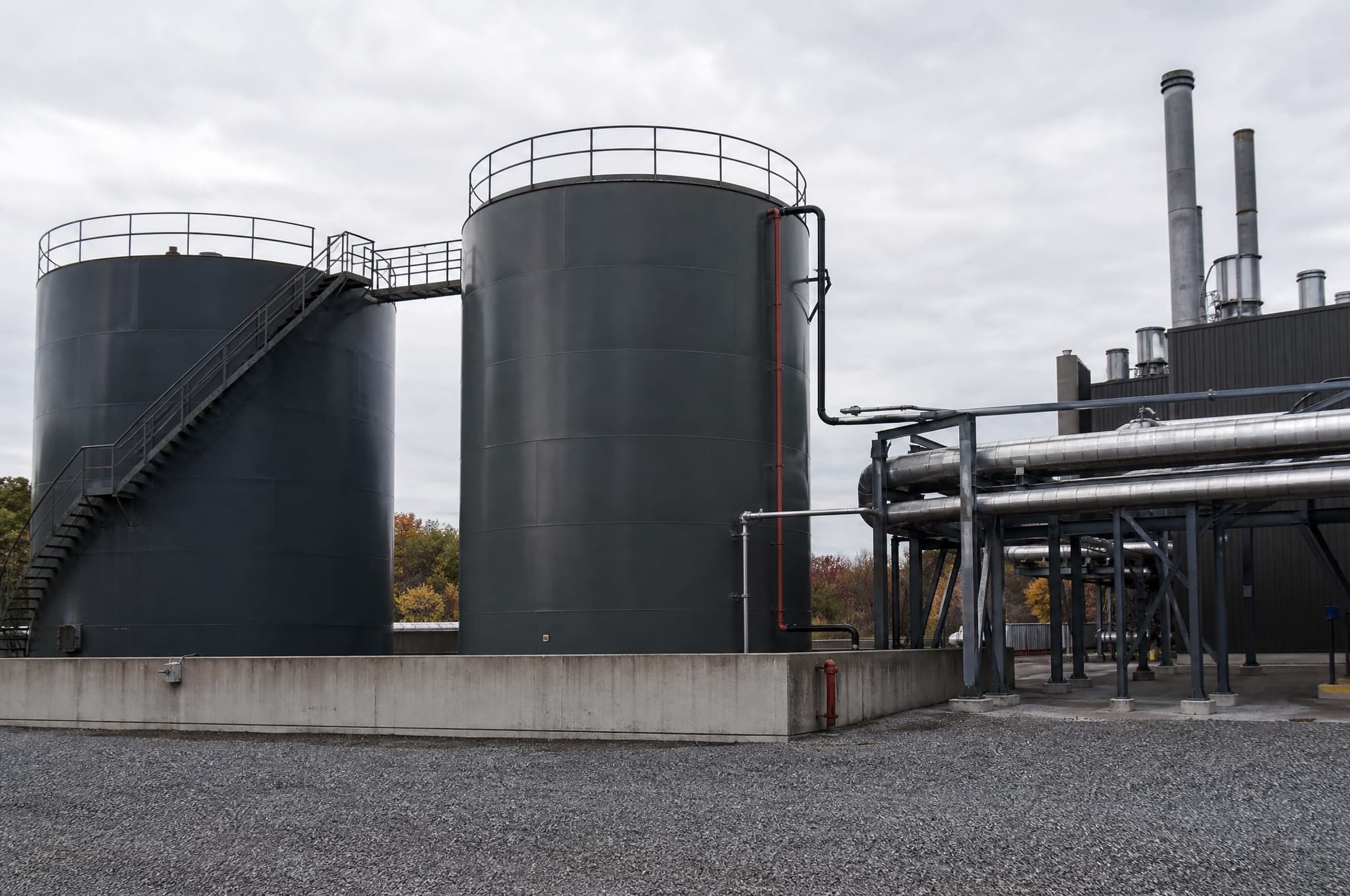
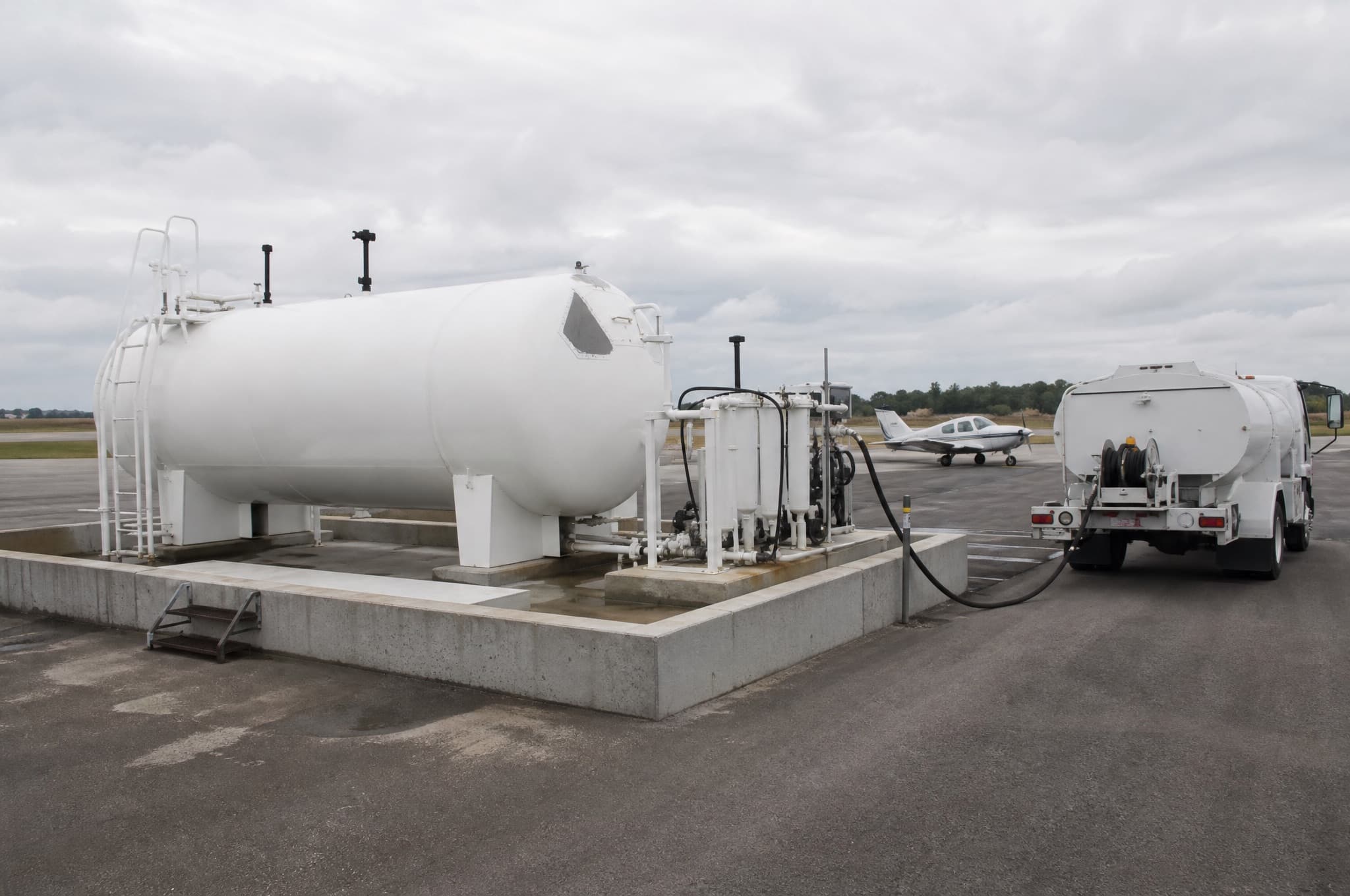
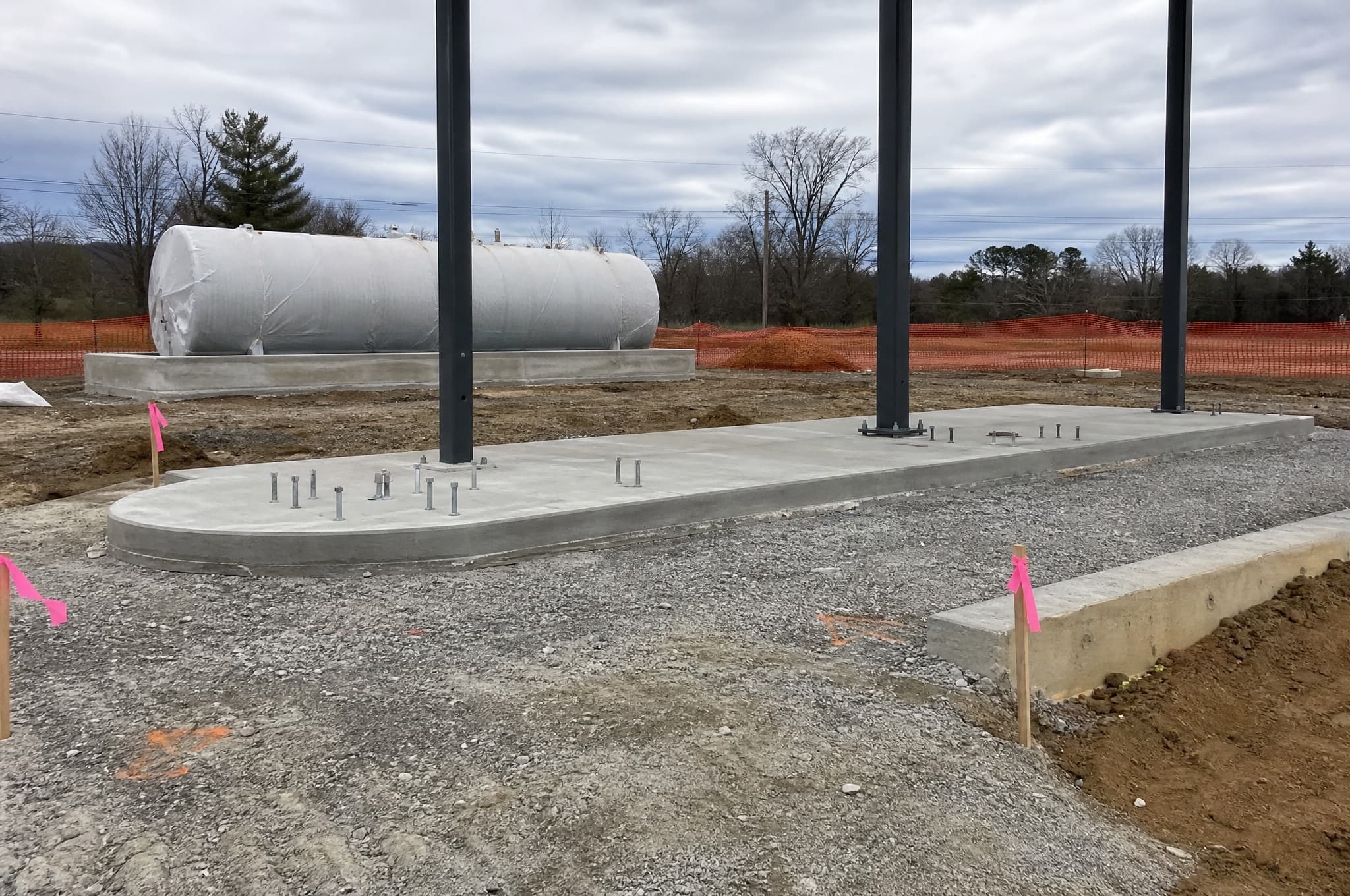
Send us the situation. We'll tell you the path.
Photos, a violation notice, an inspection report, or just a description of the site. Matt reviews every inquiry personally and comes back with a clear next step.