
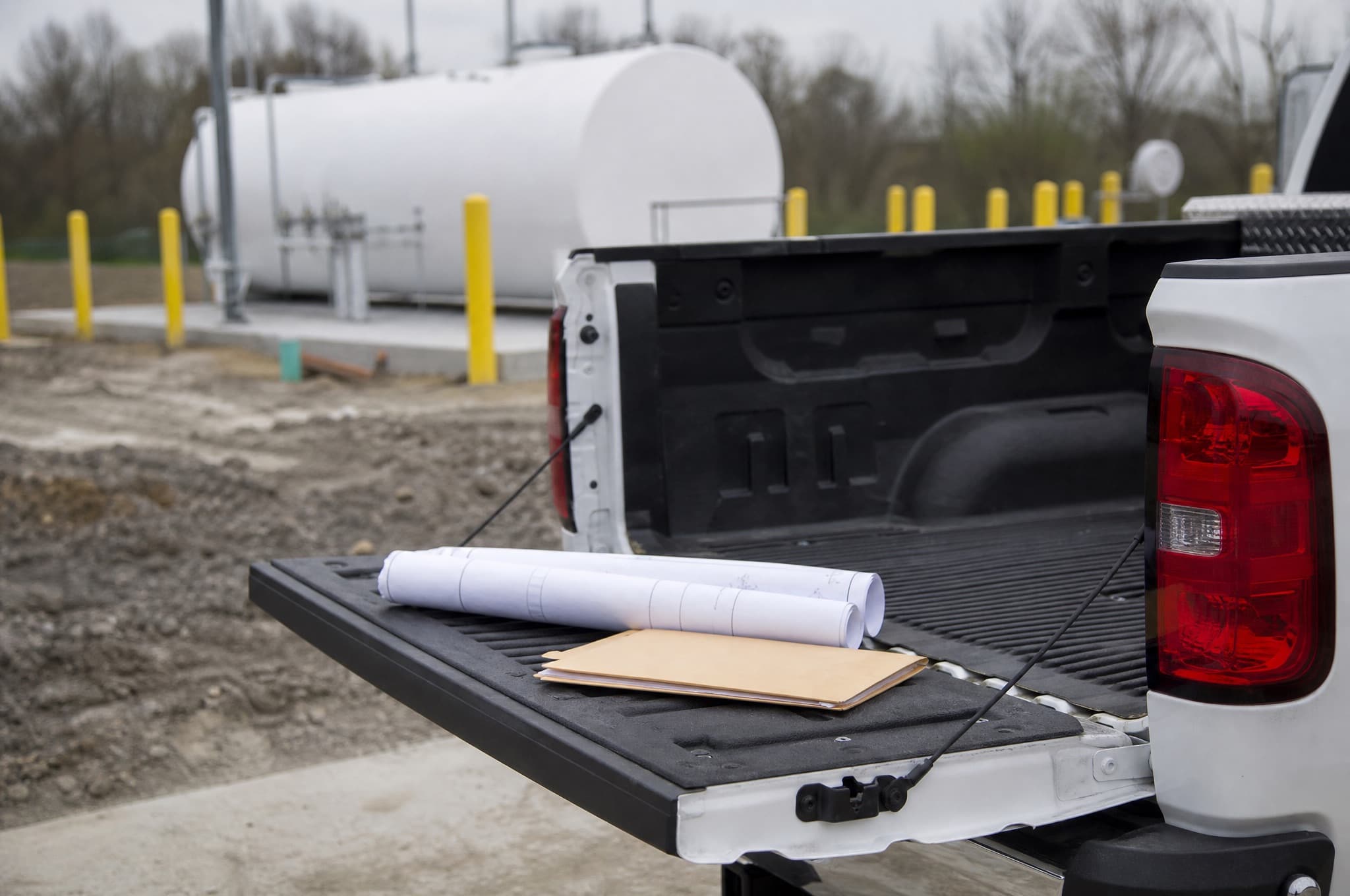
The permit is a design question before it is a paperwork question.
Every fuel tank permit is approved against a drawing set. Zambrano Enterprises works out what each authority having jurisdiction will require, designs the system to meet it, and carries the approvals through to a permit to operate.
The call usually starts like this.
If one of these sounds like your site, the form above is the fastest way to get a defined path back.
I need a permit for a tank.”
The fire marshal wants drawings before he will sign off on the generator tank.”
SCDHS rejected our Permit to Construct application and we do not know why.”
We are adding a second AST and the town says we need county approval too.”
Our contractor says the permit is the owner's responsibility.”
We cannot get the certificate of occupancy until the fuel system has its permit to operate.”
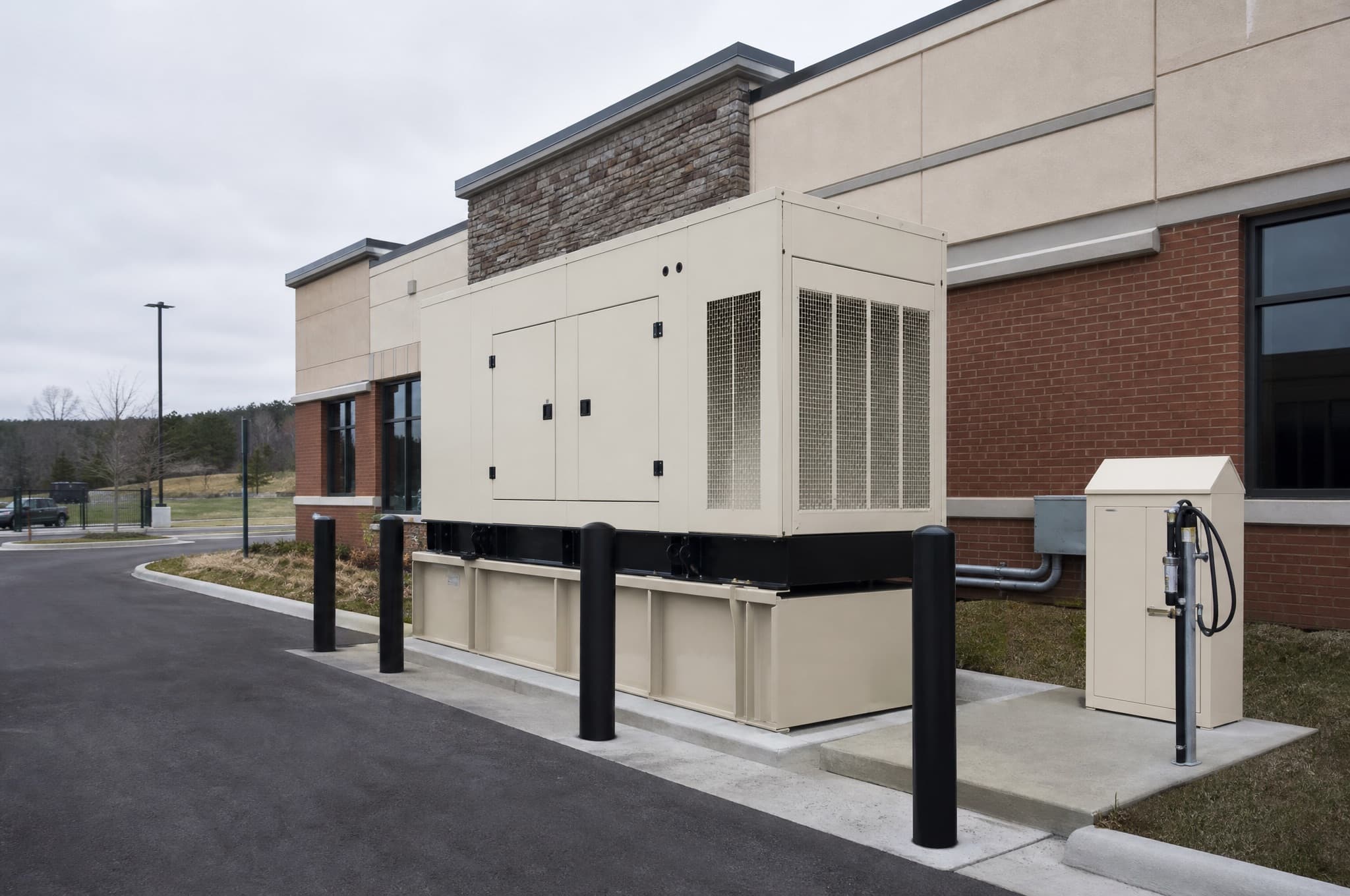
Concrete deliverables, not a proposal to write one.
- Permit due diligence memo listing every AHJ, application, fee and approval the project needs
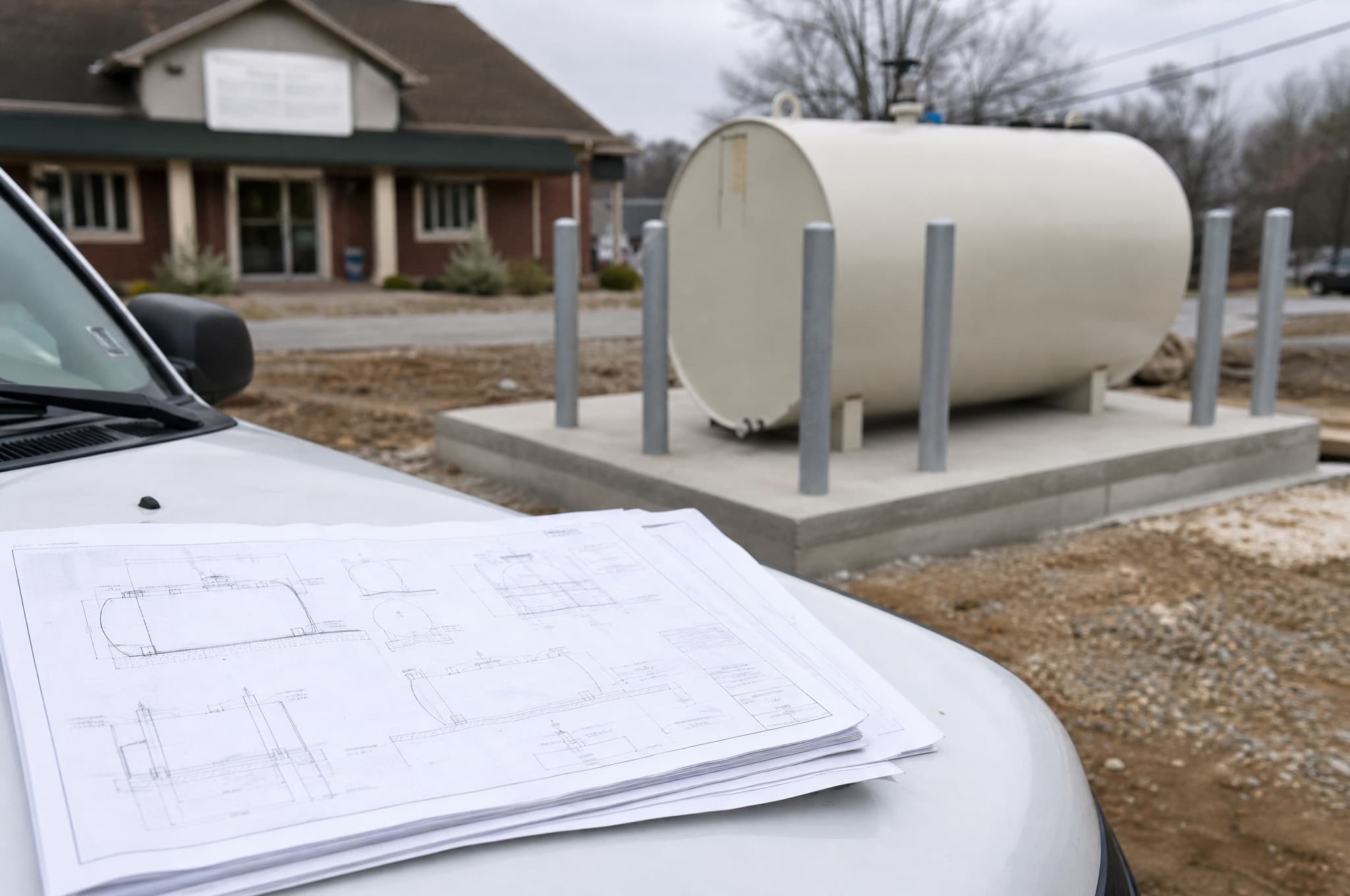
- Permit-ready drawing set: site plan, tank and piping layout, containment, venting, overfill prevention, leak detection and electrical details
- Completed applications and registration forms (SCDHS HMM-001, Nassau Article XV, WCDOH Article XXV, NYSDEC PBS, VA DEQ notification, local building and fire permits)
- Equipment schedule with listing documentation (UL 142, UL 2085, UL 58, UL 1316, UL 971 and related listings)
- Written responses to plan-review comments and revised drawings where the reviewer has a point
- Sealed drawings coordinated where the AHJ requires them: reviewed and sealed by an appropriately licensed design professional when required by the applicable AHJ
- Closeout package: inspection records, test certificates and the permit to operate
How ZE approaches fuel tank permitting.
Zambrano Enterprises provides specialized fuel-system design and technical consulting services. When professional engineering review or certification is required, ZE coordinates with appropriately licensed Professional Engineers through established professional relationships nationwide.
Permitting is built into the design
ZE does not treat the permit as a form to fill out after the drawings are done. Setbacks, containment, venting, overfill prevention, leak detection and fire-code separation distances are resolved in the design, so the drawing set answers the reviewer's questions before they are asked.
Every AHJ, not just the obvious one
A tank project on Long Island can involve SCDHS or NCDH, NYSDEC, the town building department and the fire marshal at the same time. In New York City a project may require coordination with FDNY, the NYC Department of Buildings and other agencies, depending on the facility, the fuel, the storage configuration and the scope of work. In Virginia it is DEQ plus local building and fire officials. ZE maps all of them up front so an approval from one agency is not undone by a requirement from another.
Owner-led, start to finish
Matt remains directly involved in the technical design and client coordination from the first conversation through closeout. There is no handoff between a salesperson, a drafter and a permit expediter, and the owner has direct access to the specialist who prepares the design and answers the reviewer's comments.
How the work runs.
- STEP 1
Permit due diligence
Identify the AHJs, the codes they apply and the specific approvals the project needs. Confirm thresholds and exemptions for the tank size, product and location. In Suffolk County that includes checking whether the site sits in a groundwater management zone or water supply sensitive area, where the small heating-oil exemptions do not apply.
- STEP 2
Design to the requirements
Prepare the drawing set and equipment schedule against the AHJ's construction standards, NFPA 30 and 30A, and the applicable fire code. Where the AHJ requires a professional engineer's seal, ZE coordinates that review through established relationships with appropriately licensed Professional Engineers.
- STEP 3
Submit and respond
File the applications, registrations and fees with each agency. Track the review, respond to plan-review comments in writing and revise the drawings where the comment is valid. Where the AHJ offers a variance or Board of Review path, prepare the case for it.
- STEP 4
Support inspections
Coordinate the required construction inspections and tests, including tank and line tightness tests and sump tests, so the inspector sees what the approved drawings show and the test certificates get filed on time.
- STEP 5
Permit to operate and closeout
Collect the inspection records and test certificates, obtain the permit to operate or final approval, and hand the owner a file that will hold up at the next renewal, inspection or property transaction.
About fuel tank permitting.
Not answered here? Ask directly.
Talk to a Fuel-System SpecialistWhere does Zambrano Enterprises work?
Specialized fuel-system design, permitting and compliance support nationwide. ZE is based in Central Virginia and serves clients across the country. The deepest concentration of regulatory experience is in New York, including Suffolk County under SCDHS Article 12, Nassau County, Westchester County, New York City and NYSDEC Part 613 statewide, and that depth transfers to the federal rules and the state and county programs that apply wherever the project sits.
Do I need a permit for an aboveground fuel tank?
Usually, yes. The trigger varies by jurisdiction. In Suffolk County, SCDHS requires registration of essentially all petroleum tanks and a Permit to Construct for most non-residential installations, with limited exemptions for small heating-oil tanks outside groundwater management zones. Nassau County (NCDH storage ordinance) and Westchester County (Article XXV) have their own requirements. Local fire officials apply the fire code to any tank of flammable or combustible liquid. In Virginia, DEQ's AST regulation (9VAC25-91) applies based on tank and facility capacity, and the Statewide Fire Prevention Code applies through the local fire marshal. ZE confirms the actual requirements for your tank and site before anything is filed.
Do I need a permit for an underground fuel tank?
Yes, in every jurisdiction ZE works in. USTs are regulated federally under 40 CFR 280, in New York under NYSDEC Part 613 (with Suffolk, Nassau and Westchester administering delegated programs under their own sanitary codes), in New York City through FDNY, the NYC Department of Buildings and other agencies depending on the facility, the fuel, the storage configuration and the scope of work, and in Virginia under DEQ's 9VAC25-580. A UST installation involves registration, a construction permit, inspections during installation and a permit to operate or equivalent approval.
Why can't you just pull the permit for me?
Because the AHJ approves a drawing, not a request. The reviewer wants to see the tank listing, the containment, the vent and fill details, the overfill prevention, the leak detection and the distances to property lines, buildings and ignition sources. If those decisions have not been made, the application is either rejected or approved for a system nobody has actually defined, and the field crew ends up making design decisions the inspector then rejects. ZE makes those decisions on paper first. Once the design is done, the permit is the straightforward part.
How long does fuel tank permitting take?
It depends on the jurisdiction, the completeness of the submission and the reviewer's workload. A clean county submission with no comments moves faster than one that goes through two rounds of revisions or a variance hearing. ZE gives a realistic schedule after the due-diligence step, once it is clear how many agencies are involved and whether any variance is likely. In Suffolk County, a Permit to Construct is valid for one year and the Permit to Operate is issued after a satisfactory final inspection.
Who signs and seals the drawings?
It depends on the AHJ. SCDHS, for example, requires Permit to Construct drawings to be sealed and signed by a professional engineer or architect licensed in New York. Zambrano Enterprises provides specialized fuel-system design and technical consulting services. When professional engineering review or certification is required, ZE coordinates with appropriately licensed Professional Engineers through established professional relationships nationwide.
Usually part of the same project.
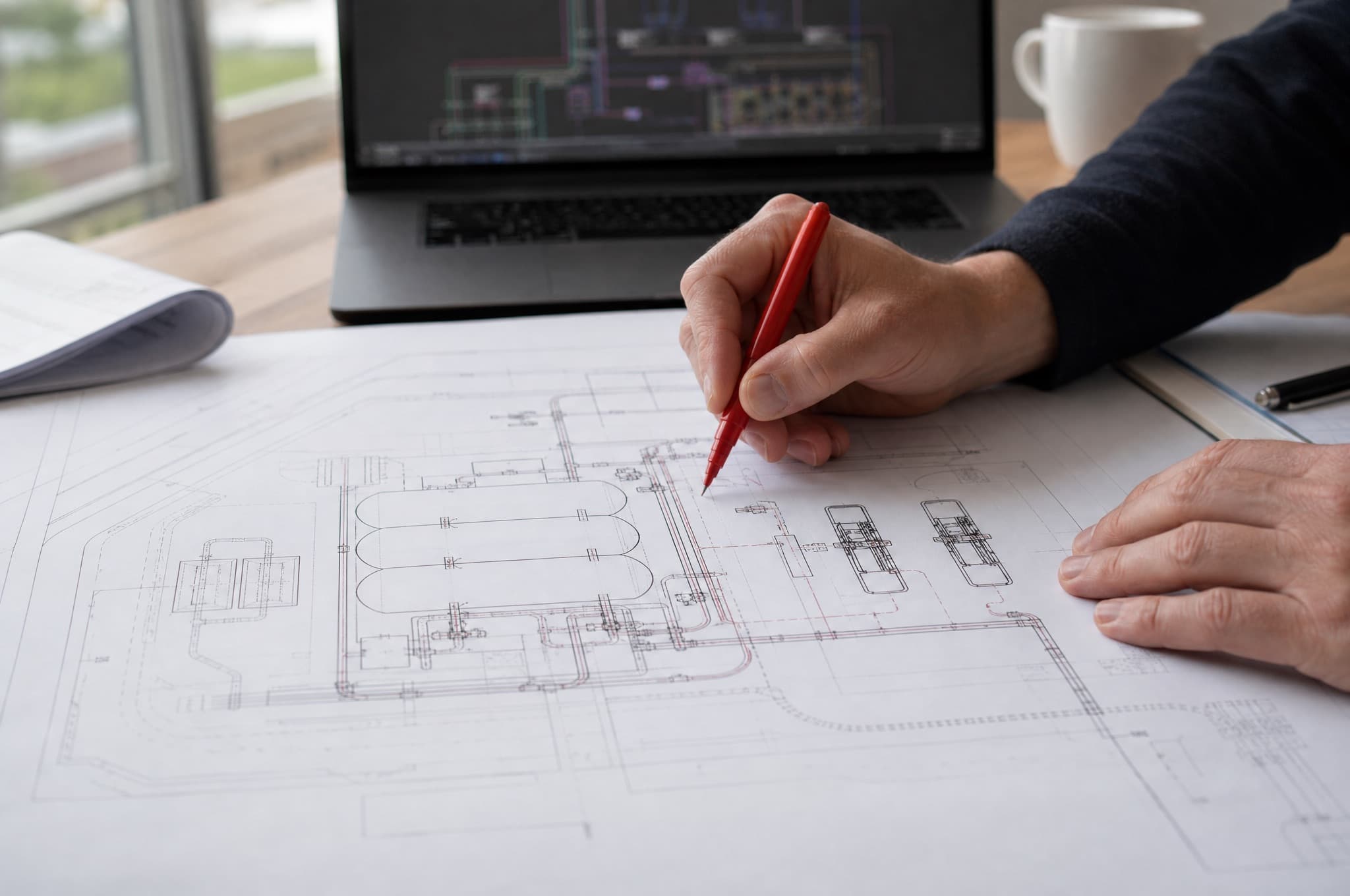
Fuel System Design
Complete, constructible fuel-system designs with equipment, configuration, codes and AHJ requirements vetted before the contractor prices the job.
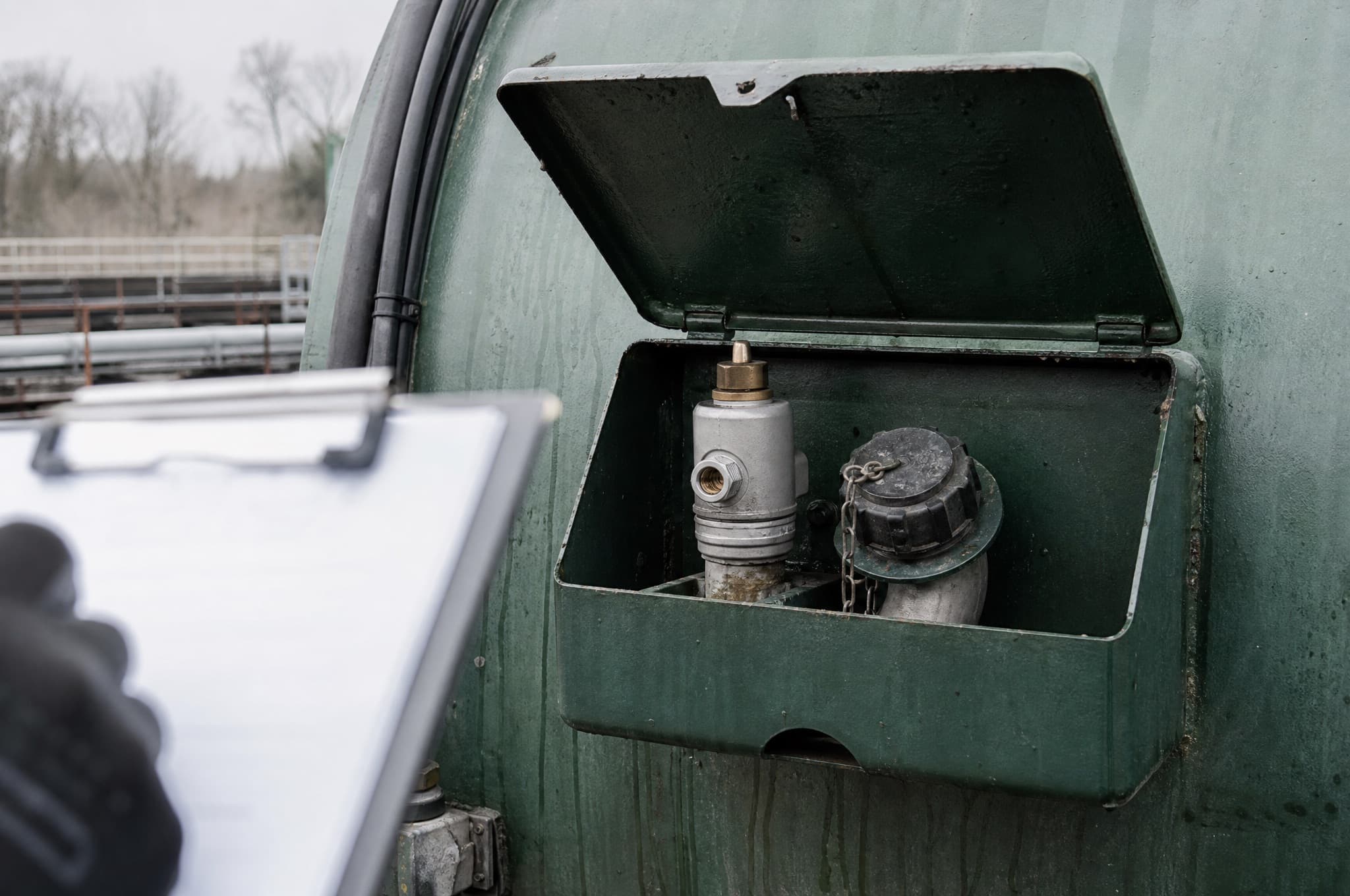
Compliance and Violation Resolution
Petroleum storage violations, unpermitted installations, failed tests and occupancy holds resolved with a defined corrective path.
PBS Registration and Renewal
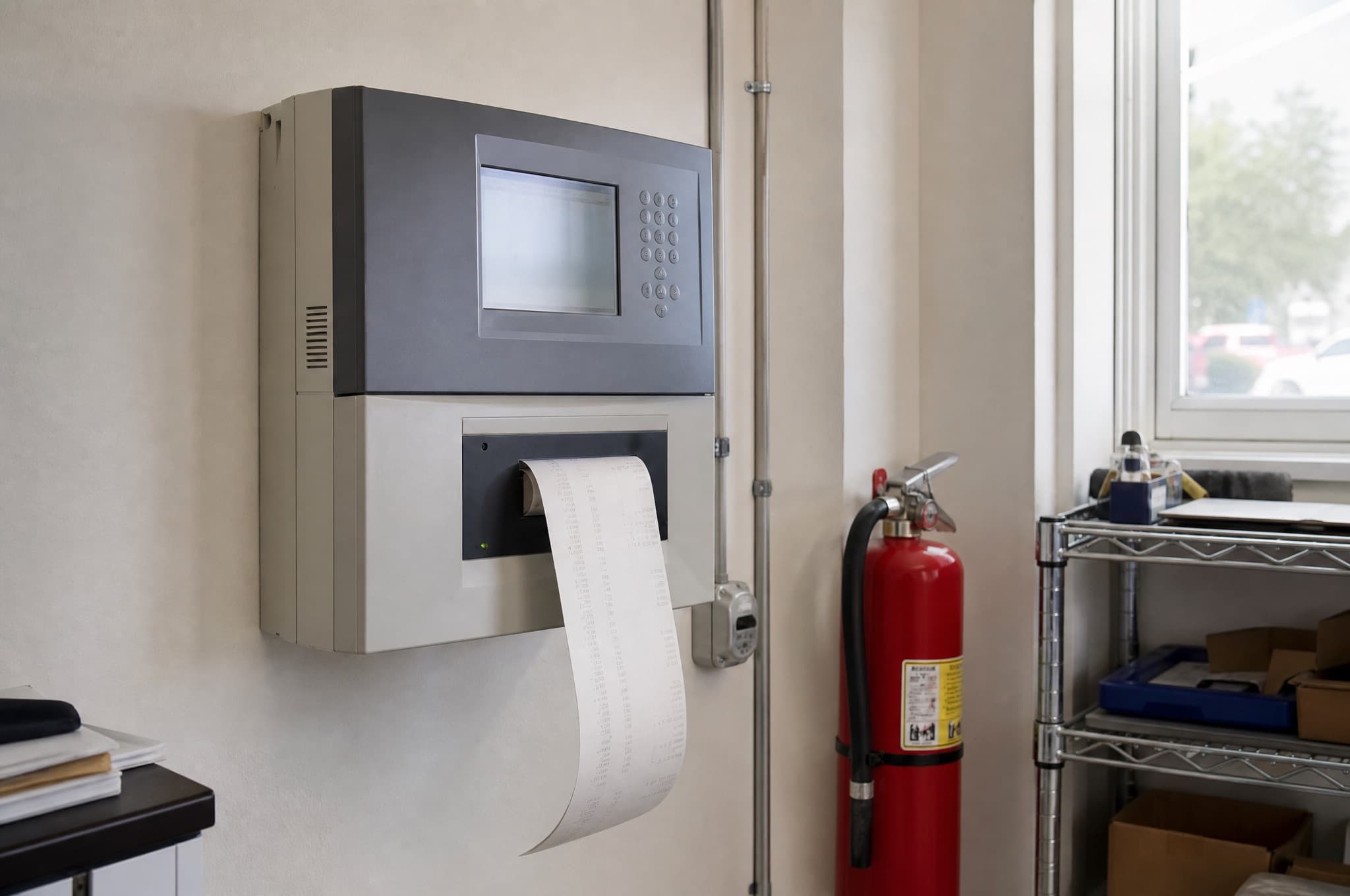
NYSDEC Petroleum Bulk Storage registrations, renewals and modifications kept current and accurate.
Send us the situation. We'll tell you the path.
Photos, a violation notice, an inspection report, or just a description of the site. Matt reviews every inquiry personally and comes back with a clear next step.