
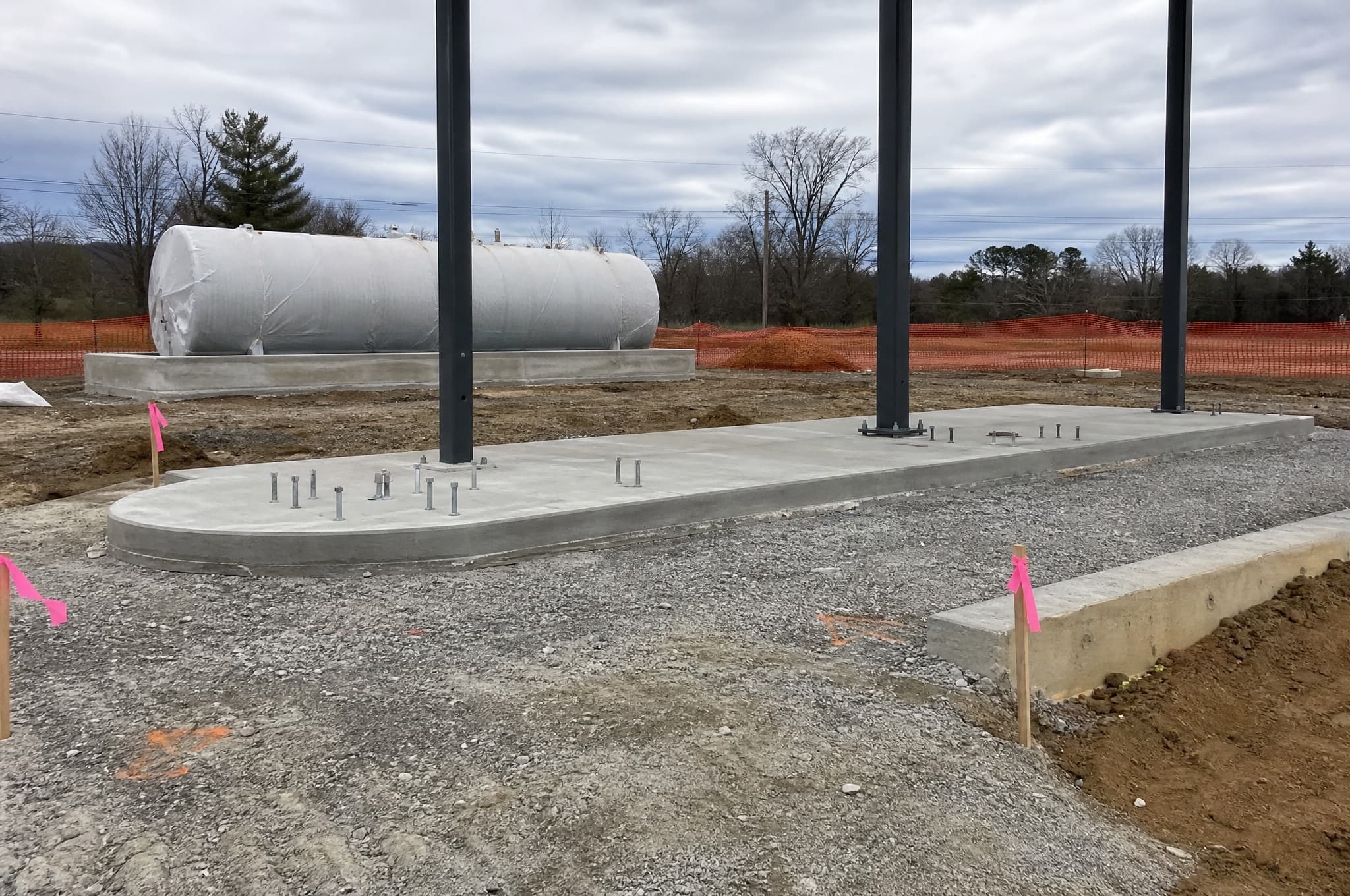
Planning a new fueling system? Start with the design, not the bid.
A new fueling system starts as a need. A fleet that is tired of paying retail. A new station or a rebuild. A generator that needs a day tank and a bulk tank. A marina or an airfield that wants to sell fuel. A distribution yard that needs diesel and DEF on site. The owner knows what they want the system to do. What they usually do not have is a design the agencies can approve and the contractors can price.
At a glance
Managing Member · B.S. Civil Engineering, Georgia Tech · 15+ years in fuel systems · Updated September 2026
What is usually going on is that the owner has been told a number by a supplier or a contractor, and the number is built on assumptions nobody has written down. Tank type, location, containment, monitoring, dispensing, electrical, fire-code setbacks, health department requirements, fuel-management. Each of those is a decision. Made on paper first, they produce a permit, a defined scope, and comparable bids. Left for the field, they produce change orders. We design fueling systems so the second thing does not happen.
Who this applies to
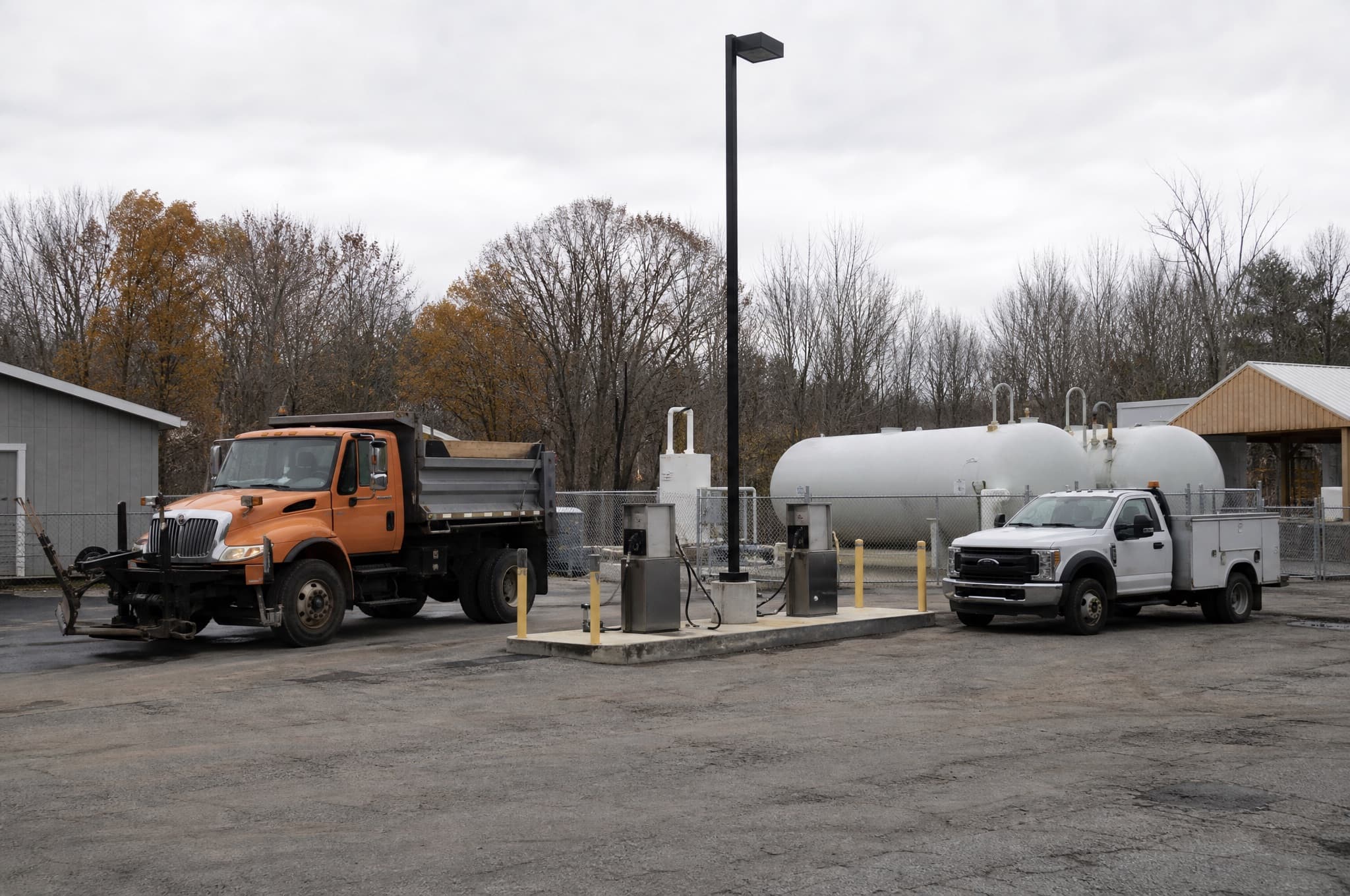
- Fleet managers and municipalities building a fueling island for trucks, buses, plows or equipment
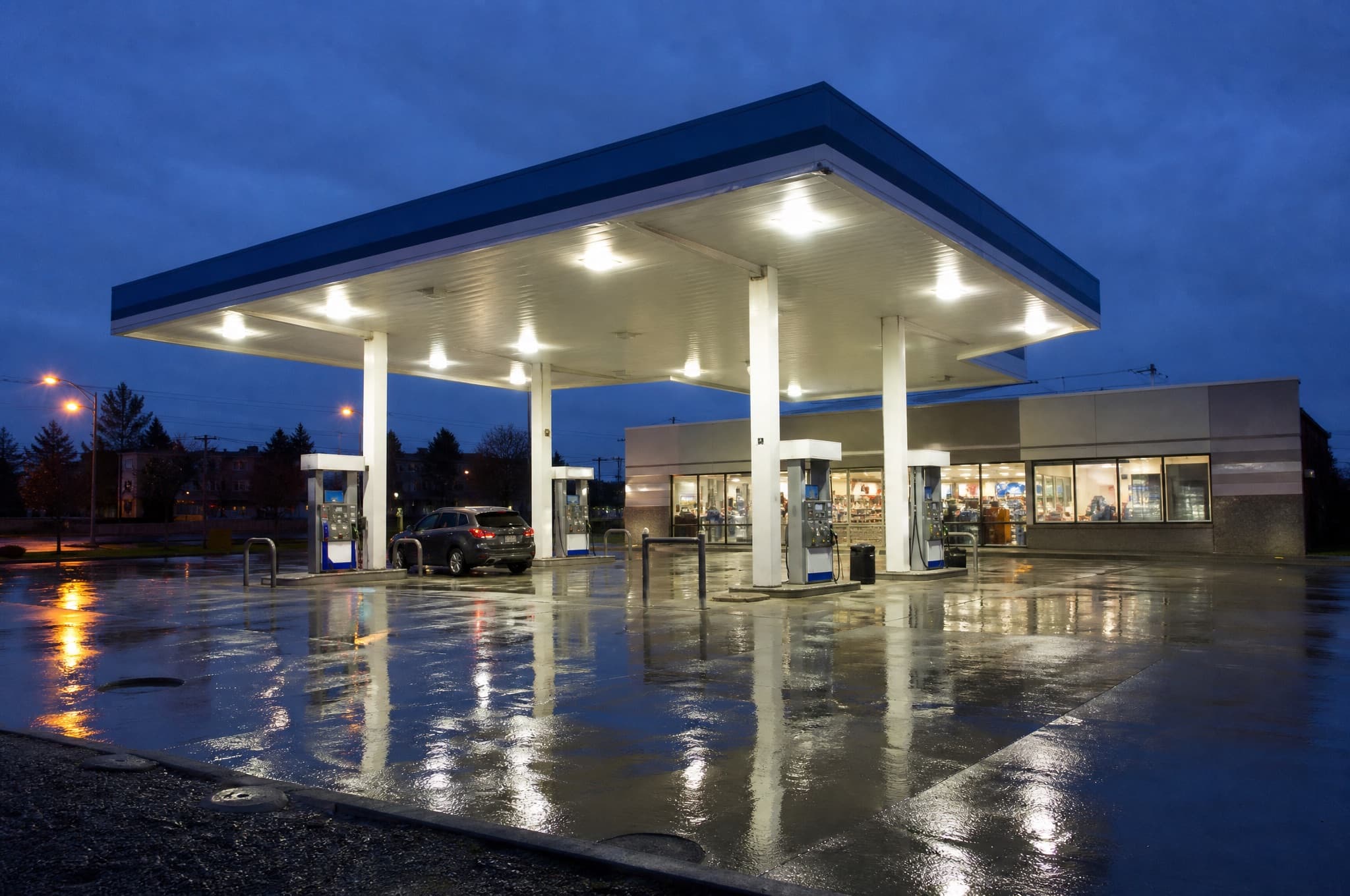
- Retail station owners and developers planning a new site or a ground-up rebuild
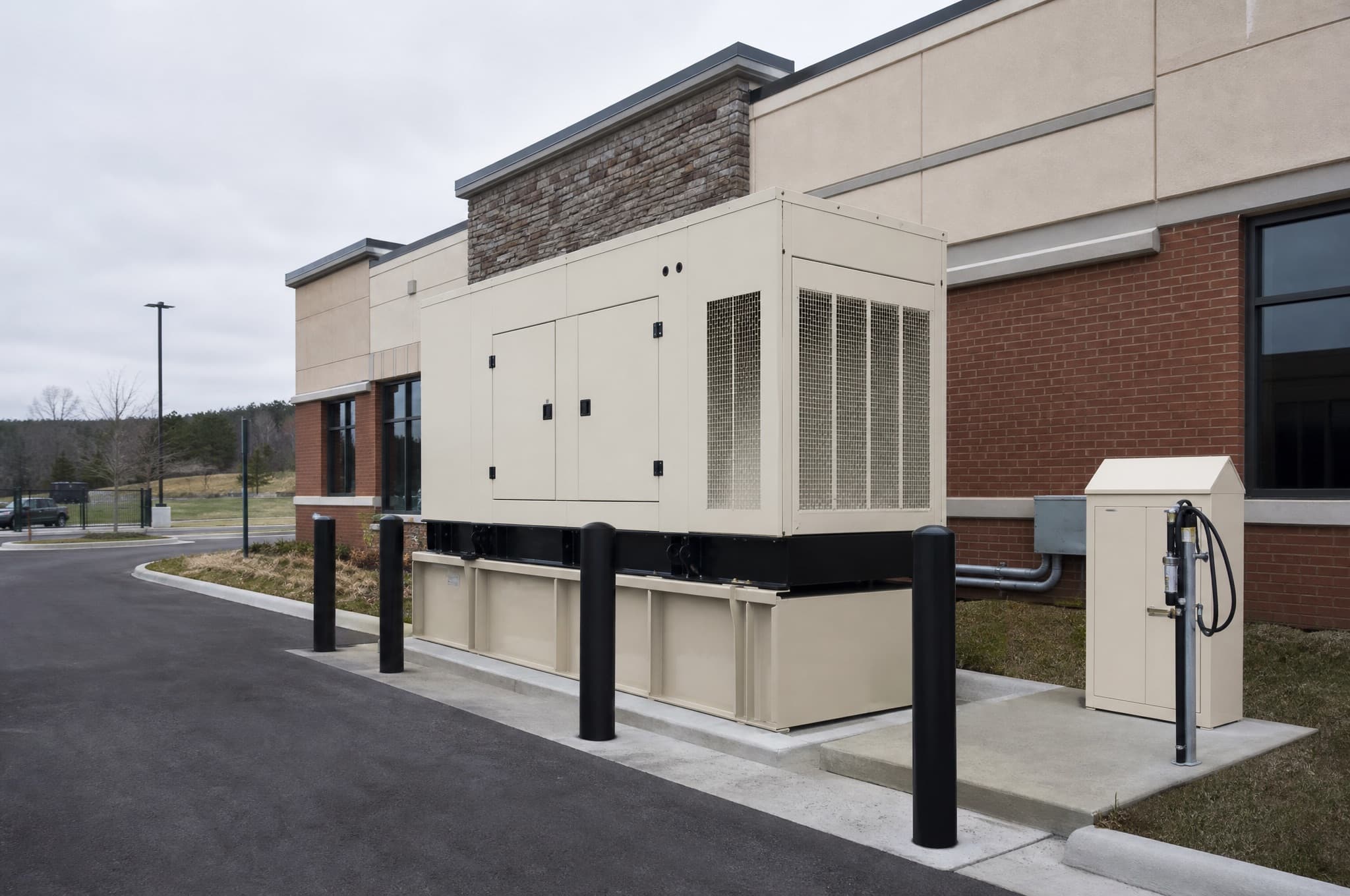
- Facilities directors adding standby power with a diesel UST, AST or day tank
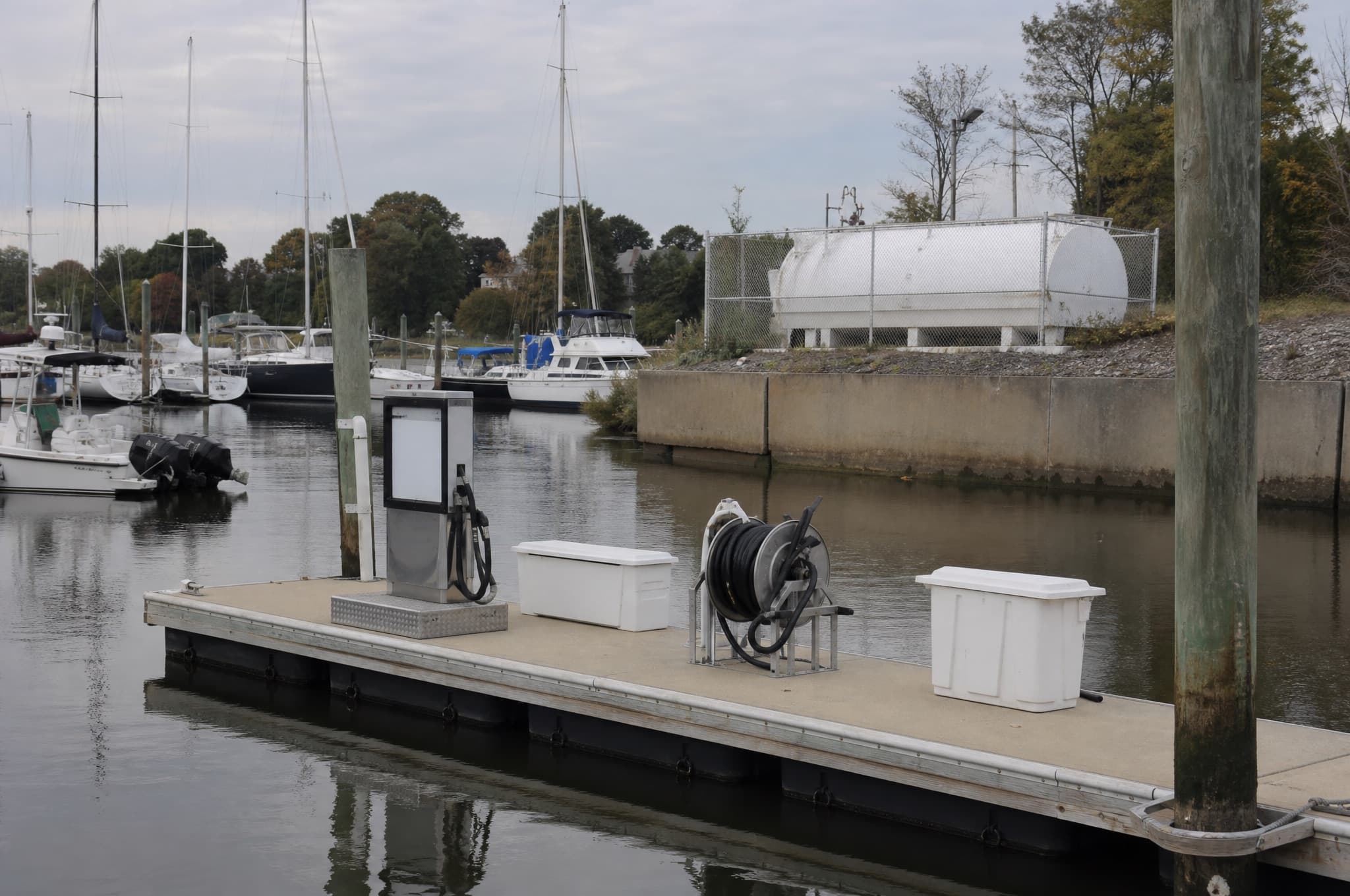
- Marina owners adding waterfront gasoline or diesel dispensing
- Airport and heliport operators adding Jet-A or avgas storage and dispensing
- Architects, engineering firms and general contractors who need the fuel-system portion of a larger project designed and permitted
What is usually going on
Every new fueling system answers the same questions, and the answers set both the cost and the permit path.
Aboveground or underground. ASTs are easier to inspect and carry less monitoring burden, but they need space, fire-code setbacks, impact protection and often a protected tank listing such as UL 2085. USTs save space and suit high-throughput sites, but they carry 40 CFR 280 and state UST requirements: double-wall tanks and piping, interstitial monitoring, ATG, line leak detection, sumps with sensors, spill buckets and overfill prevention, and ongoing testing.
Capacity and products. How much diesel, gasoline, DEF, Jet-A, avgas or fuel oil, sized to real throughput and delivery economics. One product or several. Split tanks or separate tanks.
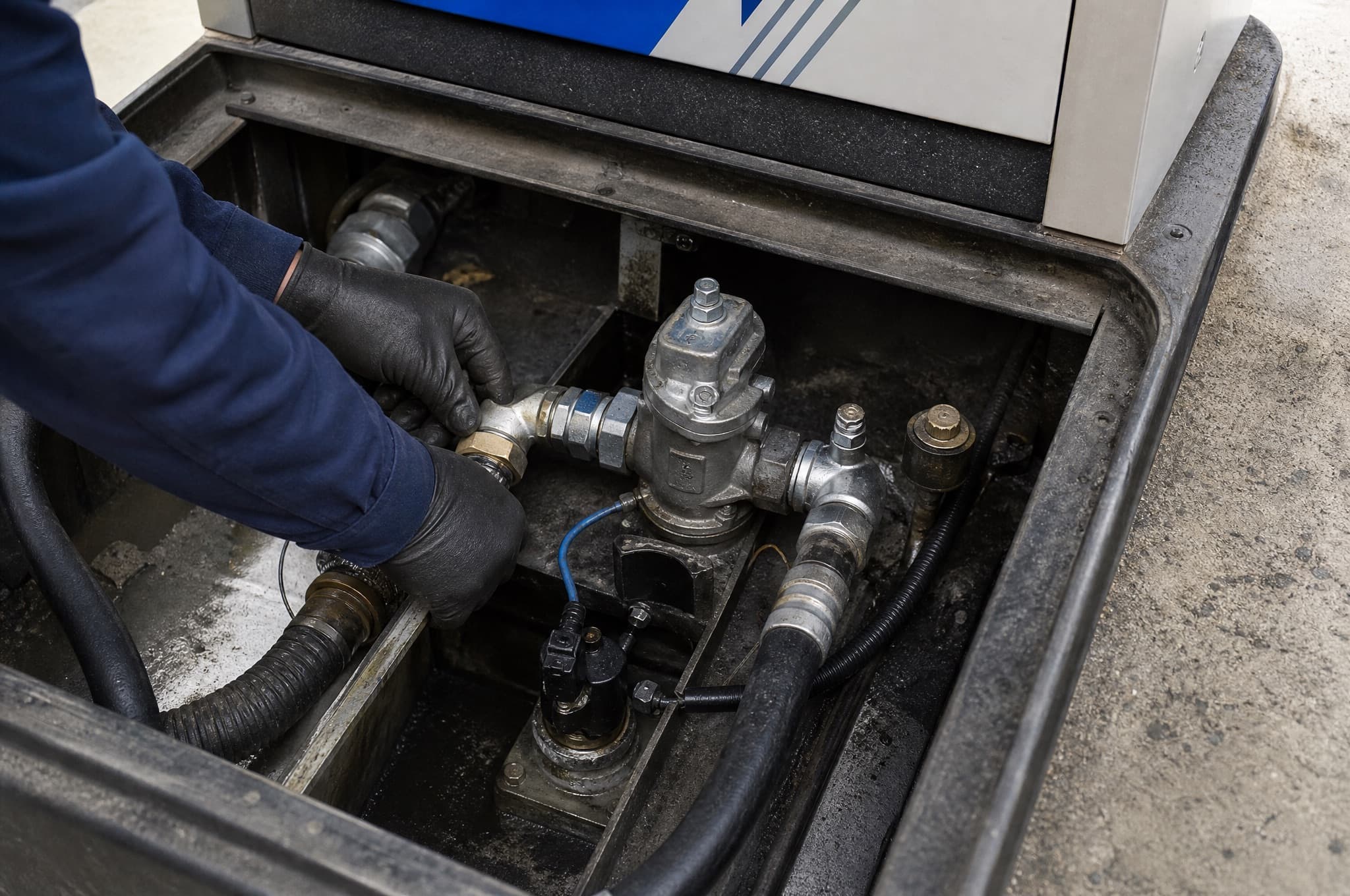
Dispensing. Number of positions, flow rates, hose reach, high-speed diesel, satellite dispensers, canopy, lighting, under-dispenser containment, vapor recovery where required, and a fuel-management system for fleet control.
Location. Setbacks from property lines, buildings, ignition sources and public ways under NFPA 30 and 30A. Traffic flow. Delivery truck access. Groundwater and drainage.
Rules. In Suffolk County, SCDHS Article 12 with a permit to construct and permit to operate. Nassau and Westchester through their county health departments. NYSDEC Part 613 registration at 1,100 gallons aggregate. New York City through DOB and FDNY. Virginia DEQ under 9VAC25-580 for USTs and 9VAC25-91 for ASTs, with the fire official under the Statewide Fire Prevention Code. NFPA 110 where the system serves standby power. 40 CFR 112 if aggregate storage triggers an SPCC plan.
A good design closes each of those questions before the permit application goes in.
What to do first
- Write down what the system has to do. Vehicles or equipment served, fuel per day, products, hours, who fuels and how you want to track it.
- Get a site plan or survey with property lines, buildings, drives and utilities. Setbacks decide where the tanks can go.
- Decide whether downtime matters. A rebuild at an operating site is phased differently than a blank lot.
- Do not buy tanks, dispensers or a canopy yet. Listings, dimensions and configurations come out of the design, and reviewers reject equipment that does not match.
- If a larger project is involved, connect us with the architect or engineer of record early so the fuel system is coordinated with site, structural and electrical.
- Bring your contractor in when you have one. If you do not, we can recommend petroleum contractors once the scope is defined so you can get comparable bids.
Not sure where you stand? Send what you have.
A photo, the notice, or a sentence about the site is enough to start. Matt reviews it personally and comes back with the likely path.
What we do
This is the work the site is built around: Design First. Build With Confidence.
Investigate. We learn what you need operationally and financially, review the site, and confirm which agencies have jurisdiction and what each will require. We identify the constraints early: setbacks, groundwater, utilities, access.
Develop the design strategy. AST or UST. Capacity, products, tank configuration. Dispensing layout. Monitoring and fuel-management approach. Phasing. We settle the decisions that drive cost and approval on paper, with you.
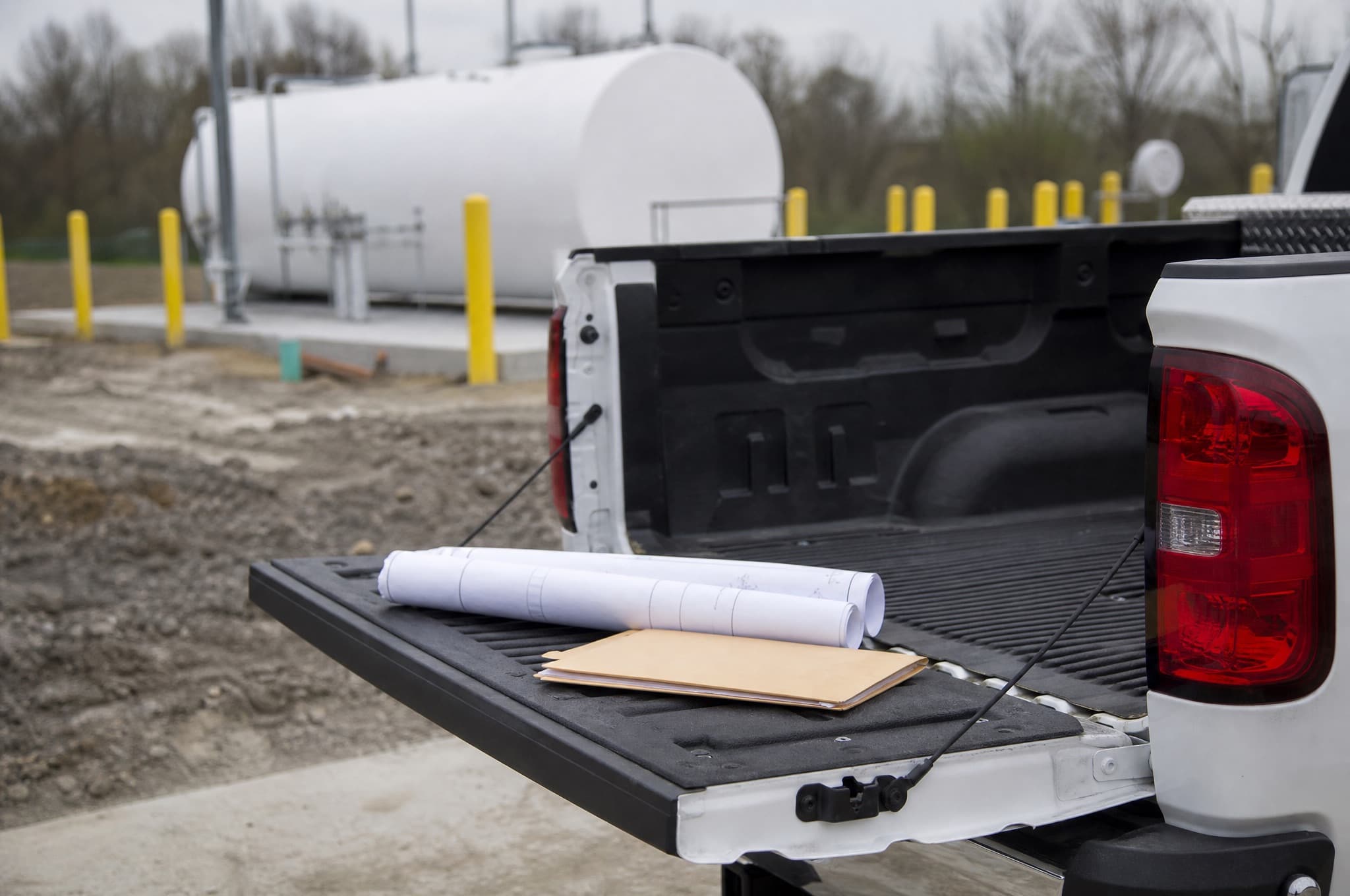
Design. A complete, constructible set: site layout, tank selection and listings, foundations and containment, piping, dispensing, sumps, venting, spill and overfill, leak detection and ATG, electrical interface, fuel-management system, signage and impact protection. Equipment is selected and specified, not left to the field.
Permit. Applications, submissions and reviewer responses for the health department, DEC or DEQ, fire official and building department. Where a seal is required, the drawings are reviewed and sealed by an appropriately licensed design professional, coordinated by ZE through established professional relationships.
Support construction. We help you obtain comparable contractor pricing on the defined scope, review bids and submittals, answer field questions, and witness testing and startup. We work for you, alongside the contractor.
Closeout. Final inspections, permit to operate, registrations, as-built drawings, and the operating and testing schedule your site will live on.
What drives cost
Underground versus aboveground. Excavation, backfill and paving make USTs more expensive to install, and ongoing testing and monitoring cost more over the life of the system. ASTs shift cost to pad, protection and setback space. Capacity and number of tanks. Number of dispensing positions and whether a canopy, lighting and high-speed diesel are included. Fuel-management system scope. Site conditions: groundwater, rock, tight urban lots, long utility runs. Number of agencies involved. A new station in Suffolk County has more reviewers than a fleet island in rural Virginia. Whether the site is operating during construction and has to be phased. And what turns up when the ground is opened, on sites with prior petroleum use.
Our design and permitting work is a defined fee. The contractor's construction cost is the larger number. A complete design makes that number accurate and comparable across bidders, which is where owners actually save money.
Where this goes next
With an approved design and a defined scope, you bid the work to petroleum contractors who are pricing the same system, pick one, and build. We stay through construction and closeout, and we hand you a file that is ready for the first inspection.
If the new system replaces an existing one, the replace-or-upgrade pathway covers what happens to the old tanks. If it is part of a move, the moving-or-expanding pathway covers the relocation. Each industry page covers the specifics of fleet, retail, generator, marina and aviation fueling.
Relevant services
The parts of the work this situation usually calls for.

Common questions
Should I go aboveground or underground?
It depends on the site, the throughput and how you want to live with the system. ASTs are simpler to inspect and carry less testing, but they need space and setbacks and can be limited in capacity by fire code. USTs suit high-throughput retail and tight sites but carry the full UST monitoring and testing program. For fleet fueling and generator diesel, ASTs are common. For retail, USTs usually win. We work through it with you on your site.
How long does a new fueling system take from start to fueling?
Design and permitting typically run several months, longer on Long Island and in New York City where more agencies review. Construction depends on scope and lead times for tanks and dispensers. The fastest projects are the ones where the design is complete before the permit goes in and the equipment is ordered after approval, not before.
Can my contractor design and build it?
Some petroleum contractors offer design-build, and we work with many of them. Where owners benefit from an independent design is when they want comparable bids from more than one contractor, when the project is part of a larger construction effort with an architect or engineer of record, when multiple agencies are involved, or when they want the specialist to work for them rather than for the installer. You can involve your contractor from day one either way.
Do I need a fuel-management system?
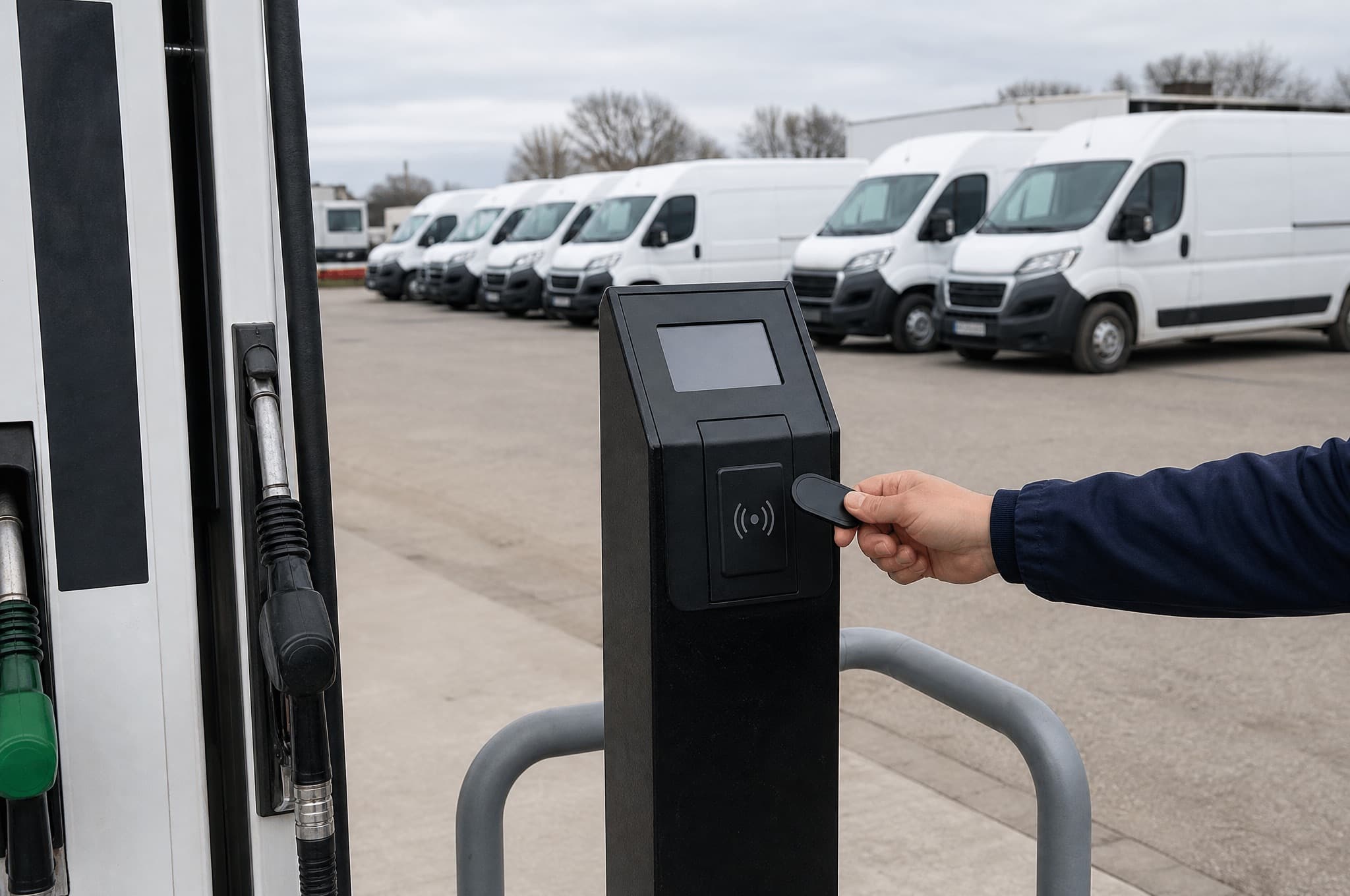
For fleet and municipal fueling, usually yes. It controls who can fuel, records every transaction by vehicle, and feeds tank gauging and inventory. It is also the thing most often bolted on after the fact and never wired properly. We design it as part of the system, with the dispensers, ATG and electrical, so it works from the first day.
Do you handle the fire marshal and the health department, or do I?
We prepare the submissions, deal with the reviewers, and respond to their comments. You are the applicant of record and sign what has to be signed. Where a Professional Engineer's seal is required, ZE coordinates that through established professional relationships. You get one point of contact for the whole approval process.
Tell us what the system has to do
Send the site plan and a short description of what you need to fuel and how much. We will tell you what the site can support, which agencies are involved, and what the path from a blank page to a permitted, bid-ready design looks like.