
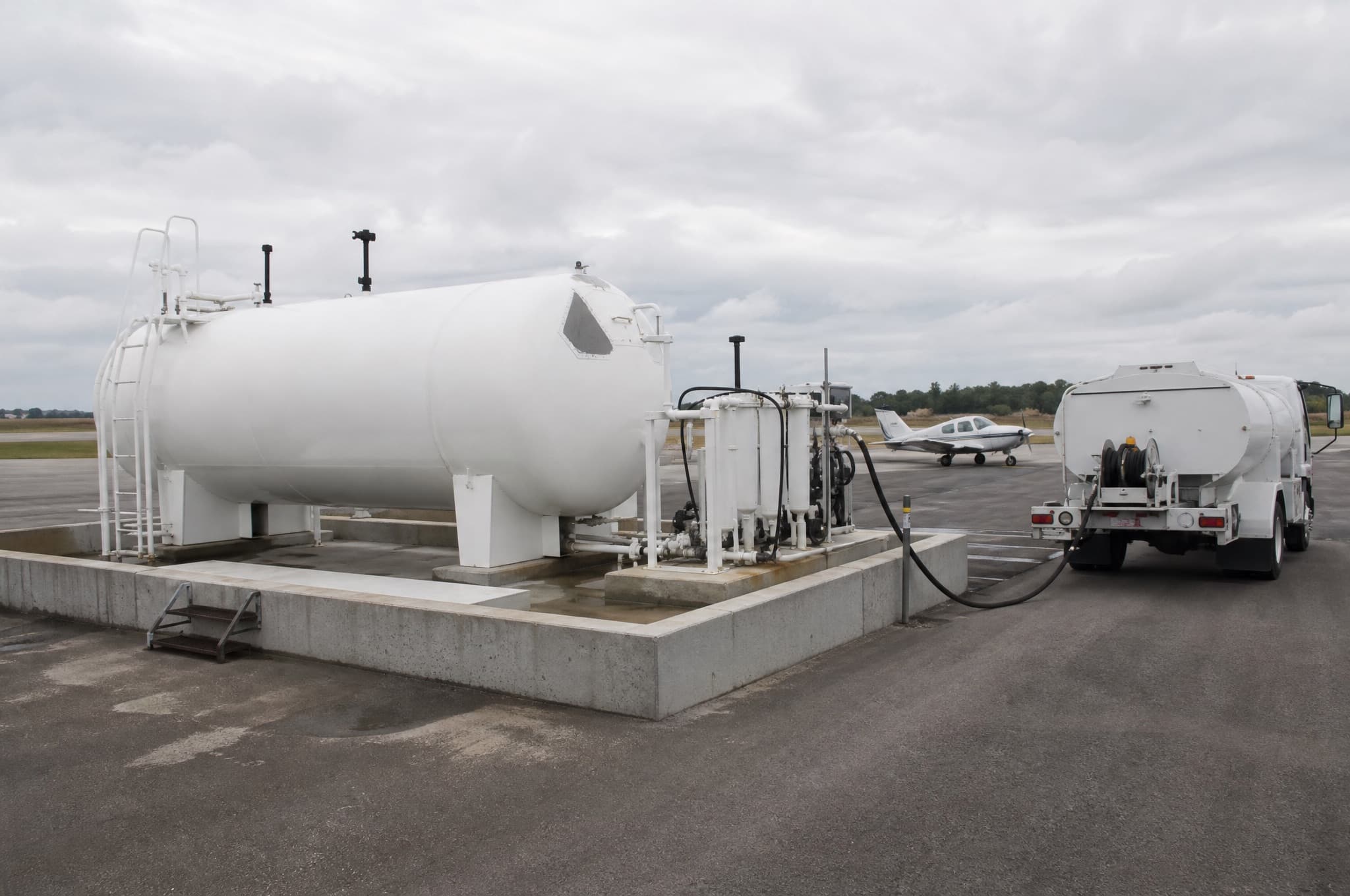
Aviation fuel systems where fuel quality is the design
FBOs, general-aviation airports and heliports need clean, dry fuel and a permit file that holds up. ZE designs Jet-A and avgas storage and dispensing with filtration, sampling and the AHJs built in.
FBO managers, airport managers at county and municipal general-aviation fields, flight schools and the facilities staff at hospitals and corporate campuses with a heliport all operate aviation fuel systems: Jet-A and 100LL in aboveground protected or vaulted tanks, a self-serve avgas island, a truck loading rack for the refuelers, and filtration at every transfer. The fuel is a product with a specification, and the system exists to deliver it clean and dry every time.
The problems are a mix of age and quality. A fuel farm built decades ago has tank interiors that were never meant for Jet-A, low points that cannot be drained, filter vessels that are out of date, and no floating suction. Water and microbial growth show up in the sumps. A self-serve avgas dispenser was installed without a county permit. A heliport tank was set by the generator contractor and never went in front of the fire marshal. Jet traffic grew and the farm cannot keep the refuelers full. And on top of all of it, the airport sponsor wants the layout documented and the county wants the registration current.
Aviation adds a fuel-quality layer to the petroleum storage rules: NFPA 407 for aircraft fuel servicing, industry quality-control practice under ATA 103 and the Energy Institute filtration specifications, dedicated product segregation with standard markings, sloped tanks with low-point sumps, floating suction, bonding and deadman controls. Underneath that are the same rules as any fuel system: 40 CFR 280 for any underground tank, the state petroleum program, county health where a delegated program applies (NYSDEC Part 613 and the Long Island county programs run extensive local programs), the fire code and SPCC. Designing the system first is how those requirements get resolved on one set of drawings before the FBO commits to a tank.
Typical projects
- New Jet-A and avgas storage systems for FBOs and general-aviation airports
- Replacement of aging aviation USTs with aboveground protected or vaulted tanks
- Self-serve avgas dispensing islands with card readers and fuel management
- Filtration, floating-suction and sump upgrades to bring an existing farm up to current fuel-quality practice
- Truck loading racks and refueler fill stands
- Heliport Jet-A storage and dispensing at hospital and corporate sites
- Storage-capacity expansion for increased jet traffic or a new tenant
- Resolution of petroleum storage violations and legalization of unpermitted fueling equipment at airports
What has to be settled in design for aviation fueling.
Authorities that typically have jurisdiction
- Local fire marshal (NFPA 407, NFPA 30 and fire code Chapter 57 as adopted)
- NYSDEC (Part 613 Petroleum Bulk Storage)
- SCDHS Article 12, the NCDH storage ordinance or WCDOH Article XXV
- VA DEQ (9VAC25-91 and 9VAC25-580) and the local fire official
- Airport sponsor, with FAA coordination for airport layout changes where applicable
- Outside these jurisdictions, the state, county and local authorities having jurisdiction at the project site
Jurisdiction varies by site, tank size and product. ZE confirms the applicable authorities during permit due diligence.
Fuel quality drives the tank
Jet-A storage typically calls for an interior coating or stainless construction, a sloped bottom to a low-point sump with a water draw-off, floating suction and sampling points, with a filter/water separator meeting the current Energy Institute specification at receipt and at dispensing. Avgas has its own requirements. A general-purpose UL 142 tank can hold the product, but it is the internal details and the filtration that make it an aviation tank.
Product segregation and misfueling
Jet-A and avgas need dedicated tanks, piping, hoses and nozzles with no cross-connections, and the standard identification markings for aviation fuel facilities and equipment should be on everything. Misfueling is the failure the whole layout is designed to prevent, and it is settled in the piping schematic rather than with a label after the fact.
NFPA 407 and the fire code
Aircraft fuel servicing rules cover separation of the fuel farm from hangars and aircraft parking, bonding and grounding, deadman controls, emergency shutoffs and the requirements for self-serve dispensing. The local fire marshal applies them through the state fire code alongside NFPA 30, and how those provisions are applied to a small general-aviation field varies by AHJ.
Petroleum storage rules still apply
In New York, NYSDEC Part 613 registration, county permits from SCDHS, NCDH or WCDOH, and 40 CFR 280 for any underground tank. In Virginia, DEQ's 9VAC25-91 for ASTs and 9VAC25-580 for USTs, with AST requirements varying by individual tank and facility capacity. An aviation fuel farm nearly always exceeds the 1,320-gallon aggregate capacity condition for an SPCC plan under 40 CFR 112, and the refuelers count as mobile containers under it.
On-airport approvals
At publicly owned airports, the airport sponsor typically reviews fuel-farm work, and changes to the airport layout can involve the airport layout plan and FAA coordination. Certificated airports operate their fueling under FAA guidance for fuel storage and handling as well. These reviews sit alongside the petroleum permits rather than replacing them, and the sequence should be planned.
Unleaded avgas and what comes next
As unleaded avgas options enter the market, an FBO planning a new avgas system or a tank replacement should evaluate compatibility and whether a second product or a future conversion needs to be accommodated. It is cheaper to leave room in the design than to add a tank later.
Where ZE fits on a aviation fueling project.
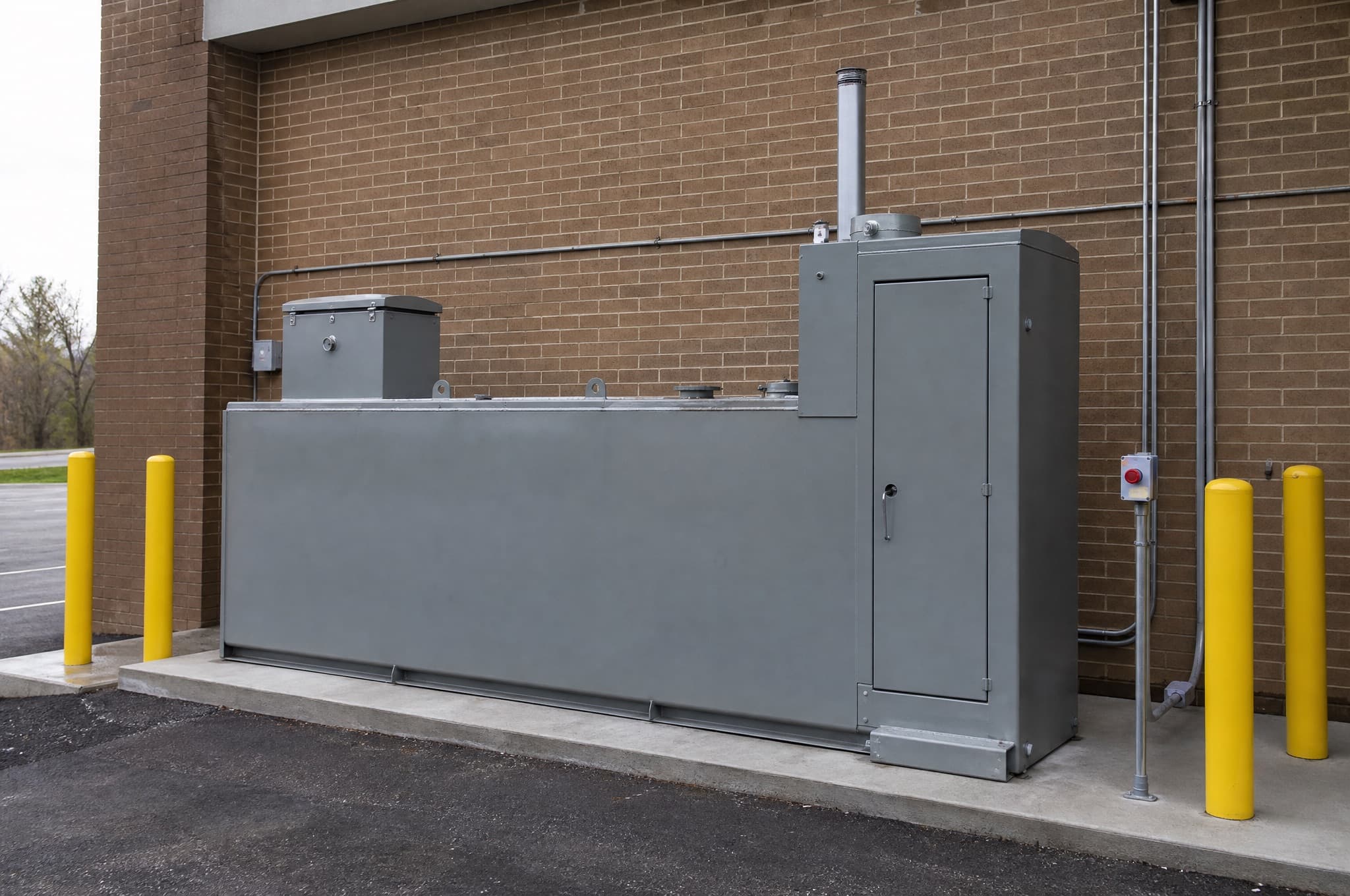
AST System Design
Aboveground storage tank systems for fuel, fuel oil, waste oil and generator diesel, sized and sited to fire code and AHJ requirements.

Fuel System Design
Complete, constructible fuel-system designs with equipment, configuration, codes and AHJ requirements vetted before the contractor prices the job.
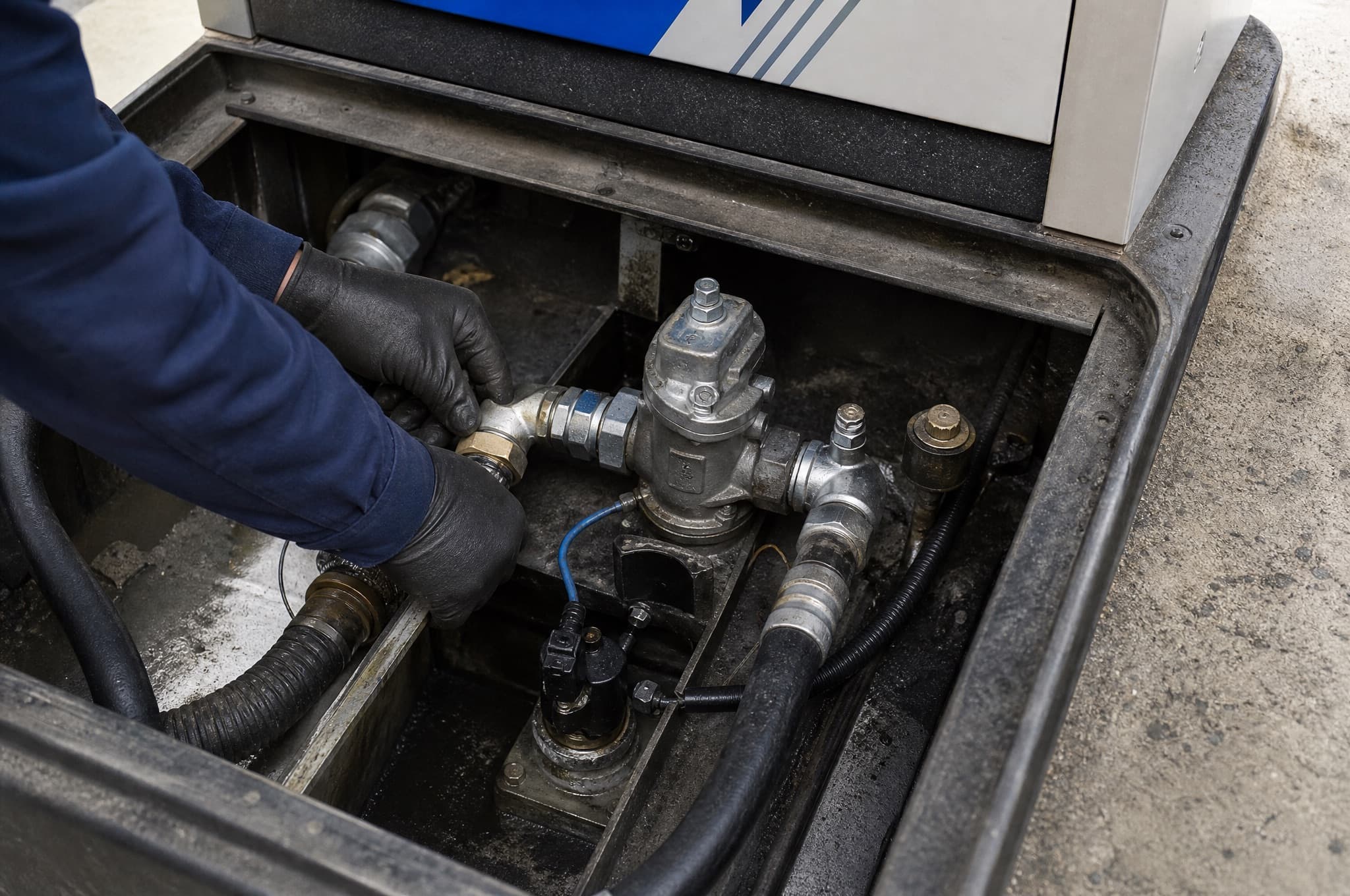
Fuel Piping and Dispensing Systems
Product piping, dispensers, sumps, vapor recovery and fuel-management interfaces designed as one coordinated system.
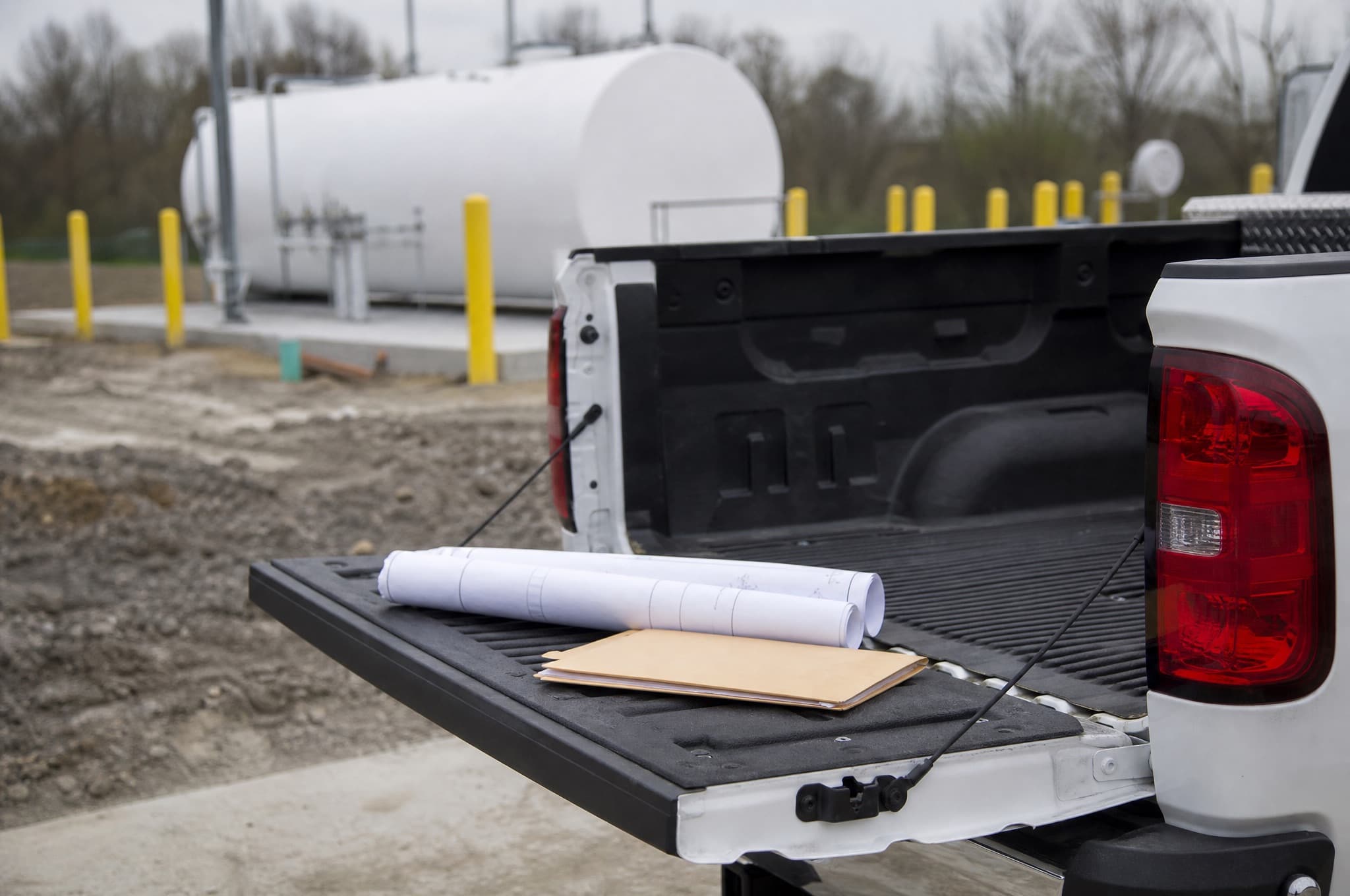
Fuel Tank Permitting
Permit due diligence and approvals from every authority having jurisdiction, handled as part of the design rather than an afterthought.
SPCC Plans
Spill Prevention, Control and Countermeasure plans under 40 CFR 112, with containment design coordinated to the facility.
Start with your situation
About aviation fueling.
Not answered here? Ask directly.
Talk to a Fuel-System SpecialistCan a standard UL 142 tank be used for Jet-A?
The tank can physically hold it, but an aviation tank is defined by what is inside: an interior coating or stainless construction, a sloped bottom to a low-point sump, floating suction, sampling access and the filtration at each transfer. A UL 142 or UL 2085 tank specified with those details, and sited to the fire code, is the usual answer. A general-purpose tank ordered without them is not.
Is a self-serve avgas island permitted like a gas station?
The petroleum storage permits are similar: county health, state registration, building and fire marshal. On top of that, NFPA 407 and the airport's own rules govern the dispensing arrangement, the card reader and emergency controls, and bonding. Requirements vary by AHJ and by airport, so ZE confirms both before the island is designed.
Does the FAA approve our fuel farm?
The FAA does not issue tank permits. At publicly owned airports the sponsor reviews the work, and a change to the airport layout can require an update to the airport layout plan and FAA coordination. The petroleum permits still come from the county, state and local officials. ZE sequences the two so neither waits on the other.
Do we need an SPCC plan for a small fuel farm?
Almost certainly. Aggregate aboveground oil storage above 1,320 gallons in containers of 55 gallons or more is one condition for 40 CFR 112, alongside a reasonable expectation that a discharge could reach navigable waters, and a single Jet-A tank plus a refueler is usually past that line. ZE coordinates the containment design with the plan.
Who seals the drawings for an airport fuel project?
ZE prepares the design and permit package. Reviewed and sealed by an appropriately licensed design professional when required by the applicable AHJ: ZE coordinates that review with appropriately licensed Professional Engineers through established professional relationships nationwide.
Send us the situation. We'll tell you the path.
Photos, a violation notice, an inspection report, or just a description of the site. Matt reviews every inquiry personally and comes back with a clear next step.