
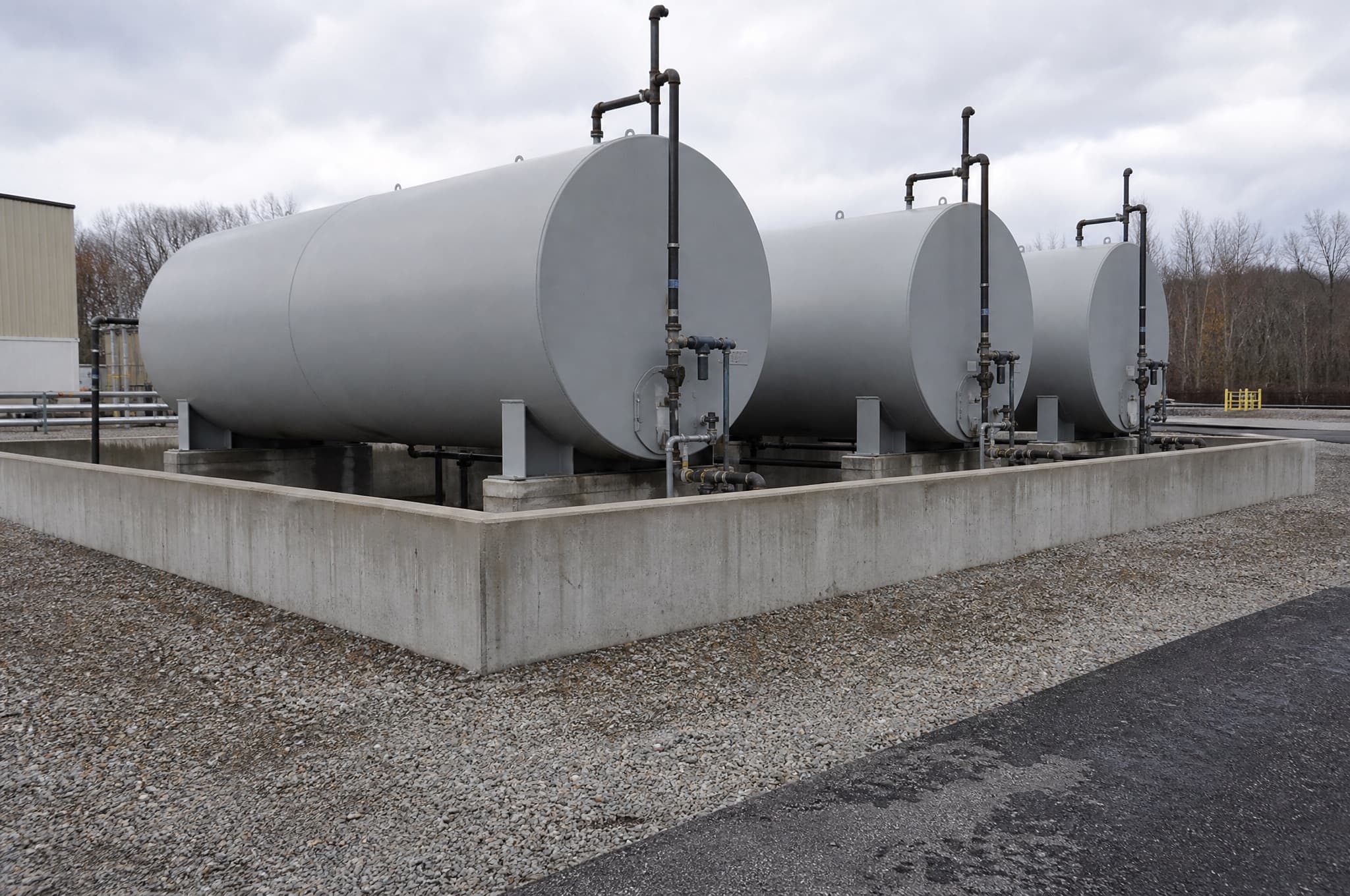
An SPCC plan that matches the containment on the ground.
Zambrano Enterprises prepares SPCC plans and coordinates Professional Engineer certification when required. The plan is written to the tanks and drums actually on site, and containment is designed where the site falls short.
The call usually starts like this.
If one of these sounds like your site, the form above is the fastest way to get a defined path back.
An EPA inspector asked to see our SPCC plan and we do not have one.”
We added a 2,000-gallon generator tank and the old plan does not mention it.”
Our insurance carrier is asking whether we have an SPCC plan.”
We are not sure whether the diesel, waste oil and drums put us in scope.”
The plan says it is PE-certified and nobody can find the certification.”
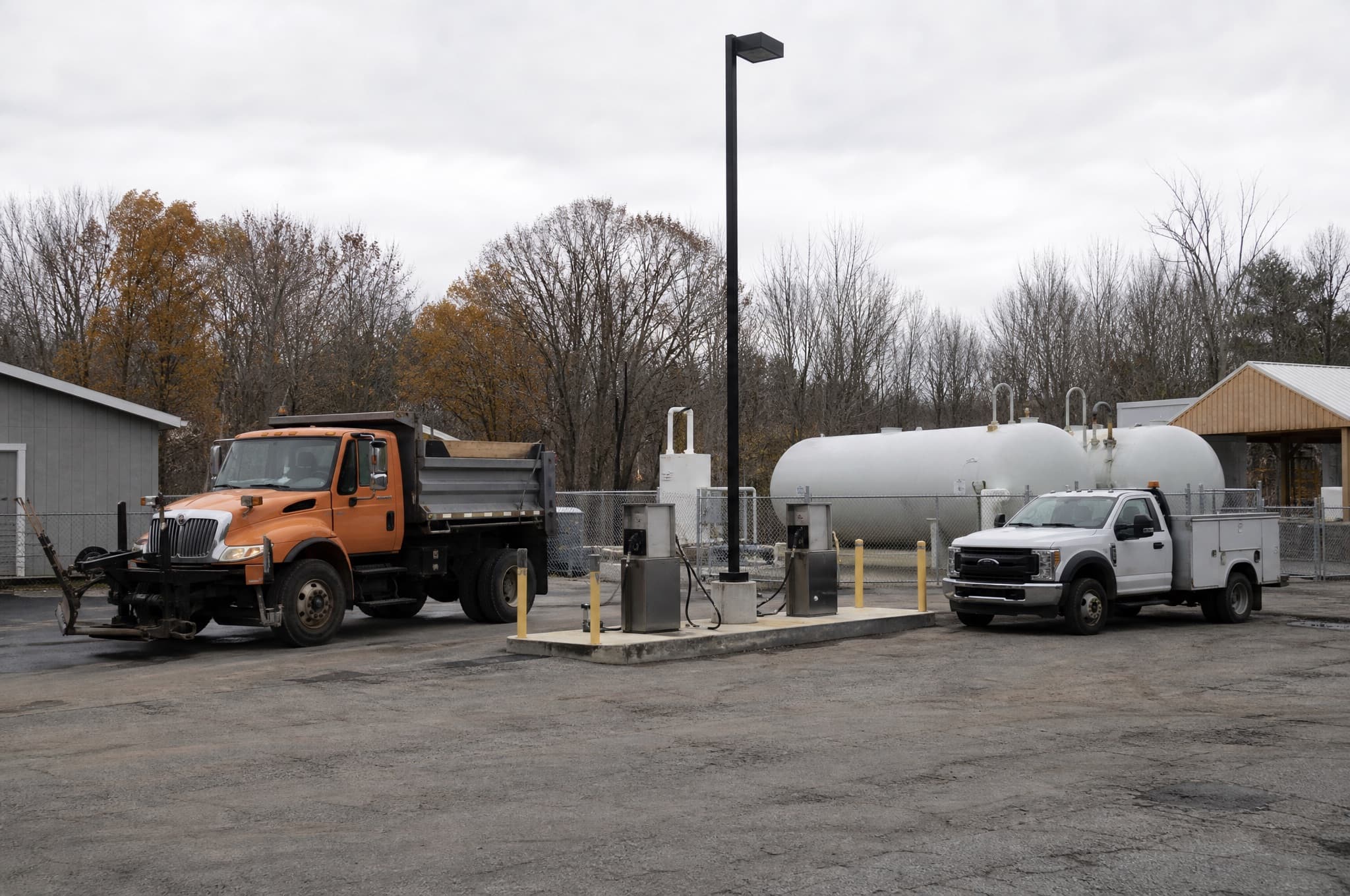
Concrete deliverables, not a proposal to write one.
- Applicability determination: oil container inventory, aggregate capacity and discharge potential against the conditions in 40 CFR 112
- SPCC plan written to 40 CFR 112 with facility diagram, container table, containment calculations, inspection procedures, personnel training and discharge response
- Tier I or Tier II self-certification support for qualified facilities
- PE certification coordinated through an appropriately licensed Professional Engineer where required
- Secondary containment design for tanks, drums and transfer areas that do not meet the rule
- Five-year review and amendment schedule with the triggers that require an update
How ZE approaches spcc plans.
Zambrano Enterprises provides specialized fuel-system design and technical consulting services. When professional engineering review or certification is required, ZE coordinates with appropriately licensed Professional Engineers through established professional relationships nationwide.
Containment is designed, not just written up
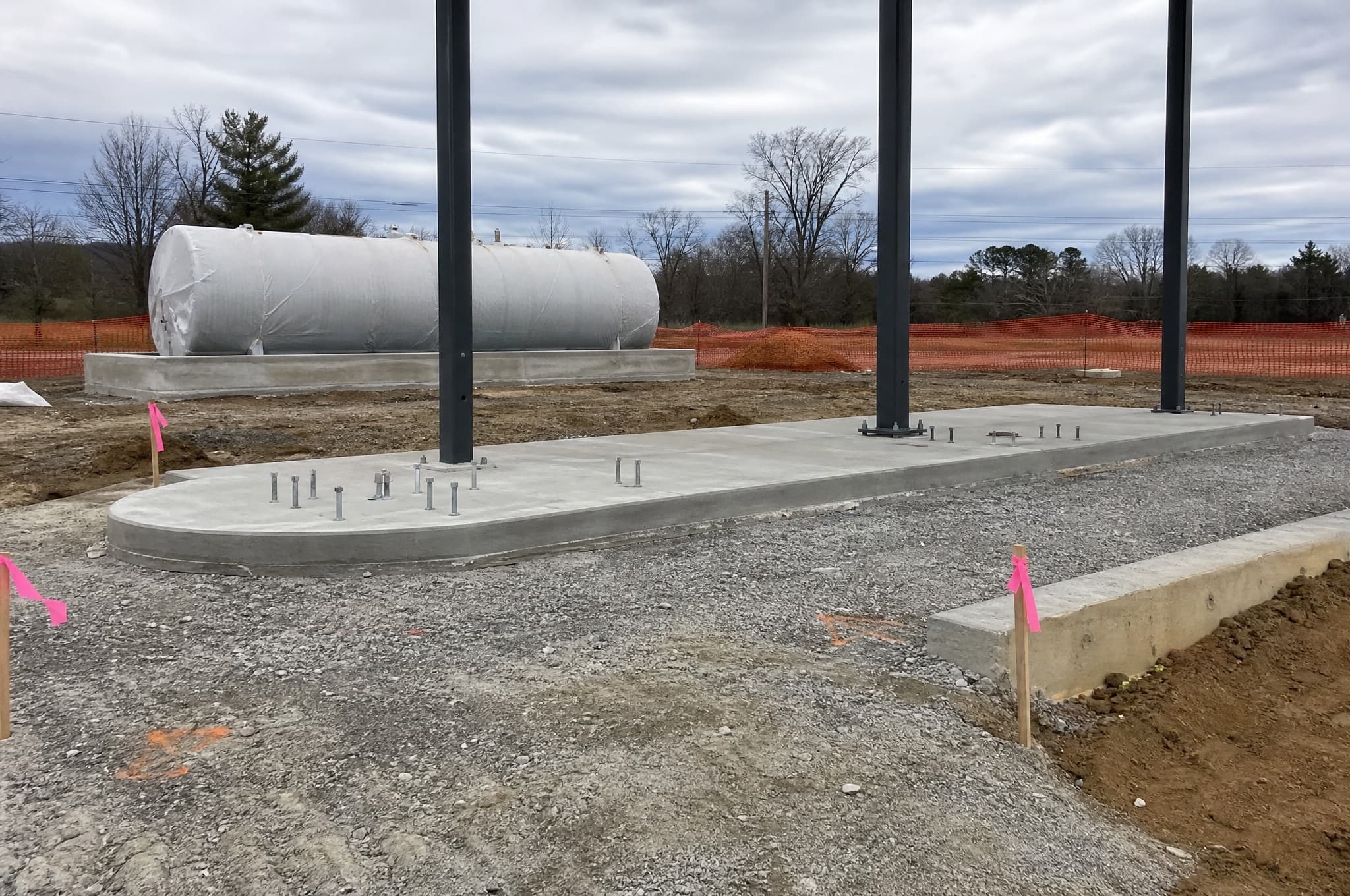
Most SPCC deficiencies are physical: a dike that does not hold the largest tank plus rain, a fill point with no spill containment, drums on a bare floor near a drain. Because ZE designs fuel systems, the plan does not stop at listing the deficiency. ZE designs the containment fix and can permit it where the AHJ requires.
The plan matches the fuel system
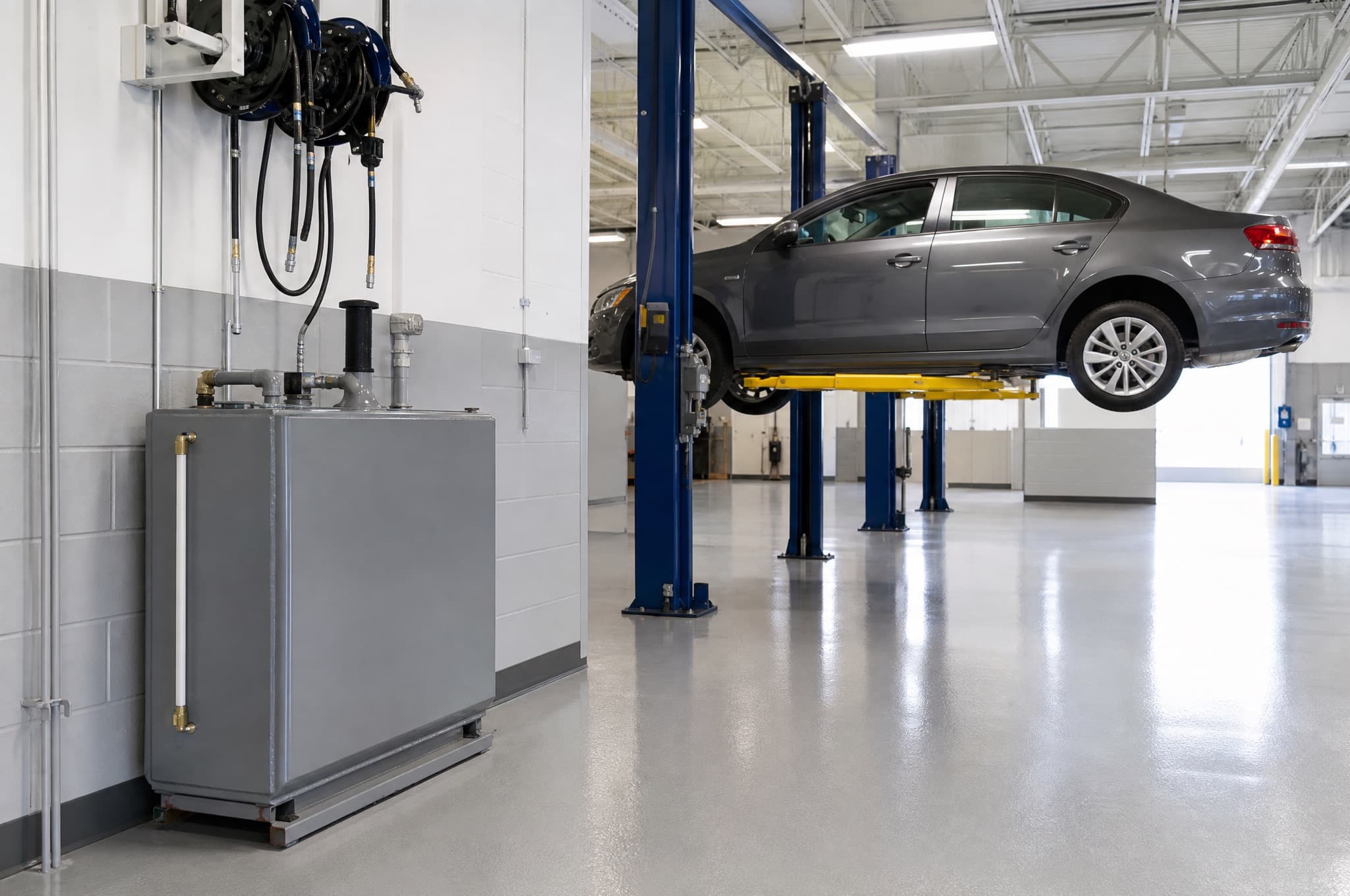
A plan written from a site walk by a generalist tends to miss the day tank, the waste-oil tank behind the shop or the drum pallet. ZE builds the container inventory from the fuel system itself, so the plan describes the facility the inspector will see.
Certification handled correctly
Zambrano Enterprises prepares SPCC plans and coordinates Professional Engineer certification when required. Qualified facilities can self-certify under Tier I or Tier II. Facilities above the qualified-facility limits need a Professional Engineer's certification, and ZE coordinates that with appropriately licensed Professional Engineers through established professional relationships nationwide.
How the work runs.
- STEP 1
Inventory and applicability
List every oil container of 55 gallons or more, including tanks, day tanks, drums, totes, oil-filled equipment and mobile refuelers. Total the aggregate aboveground capacity, note any completely buried tanks, and determine whether the rule applies and which tier the facility qualifies for.
- STEP 2
Site review of containment and drainage
Walk the site with the inventory. Check dike capacity, transfer-area containment, drainage paths, drain valves, overfill prevention and inspection practices against what 40 CFR 112 requires.
- STEP 3
Draft the plan
Write the plan to the rule's required elements: facility diagram, container table, containment and drainage description, inspection and testing program, training, security, discharge reporting and response procedures, and the record-keeping the inspector will ask to see.
- STEP 4
Certification
For Tier I and Tier II qualified facilities, prepare the plan for the owner's self-certification. For facilities above the qualified-facility limits, coordinate certification with a Professional Engineer, including the PE's site visit where required.
- STEP 5
Implement and maintain
Deliver the on-site copy, walk the inspection routine with the person who will perform it, and set the five-year review date. Amend the plan within six months of any change that affects discharge potential, such as a new tank, a removed tank or a containment change.
Does my facility need an SPCC plan?
Under 40 CFR 112, a non-transportation facility needs a plan if it has more than 1,320 gallons of aggregate aboveground oil storage capacity, counting only containers of 55 gallons or more, or more than 42,000 gallons of completely buried storage, and could reasonably be expected to discharge oil to navigable waters or adjoining shorelines. Underground tanks that are subject to all of the technical requirements of 40 CFR 280 or a state UST program are not counted. Diesel generator tanks, heating oil, lubricants, hydraulic oil and waste oil all count as oil.
Can I self-certify the plan?
A qualified facility can. Tier I applies when aggregate aboveground capacity is 10,000 gallons or less, no single container is larger than 5,000 gallons, and the facility has had no reportable discharge history in the three years before the plan is certified, meaning no single discharge over 1,000 gallons and no two discharges over 42 gallons within any twelve-month period. Tier I facilities can use EPA's template. Tier II applies when aggregate capacity is 10,000 gallons or less but a container exceeds 5,000 gallons; the owner self-certifies a full plan. Above 10,000 gallons aggregate, or with a disqualifying discharge history, the plan must be certified by a Professional Engineer.
How often does an SPCC plan have to be updated?
The plan must be reviewed at least once every five years, with the review documented, and amended within six months of any change in facility design, construction, operation or maintenance that materially affects the potential for a discharge. Technical amendments need PE certification unless the facility qualifies to self-certify. Non-technical changes, such as contact names, can be made without re-certification.
What does secondary containment have to hold?
Bulk storage containers need sized secondary containment that holds the capacity of the largest container plus sufficient freeboard for precipitation. Transfer areas, loading racks and mobile refuelers need general secondary containment sized for the most likely discharge. Double-walled tanks with interstitial monitoring can satisfy the requirement for the tank itself but not for the fill point or the transfer. ZE designs containment to these requirements and to the more stringent county rules where they apply, such as the 110 percent dike SCDHS requires for new outdoor ASTs.
Does an SPCC plan take care of the state requirements too?
No. SPCC is a federal rule administered by EPA. NYSDEC Part 613 registration, SCDHS Article 12, Nassau Article XV, WCDOH Article XXV and Virginia DEQ's AST regulation (9VAC25-91) run in parallel and have their own registration, containment and inspection requirements. Virginia's AST requirements, including registration, pollution prevention and Oil Discharge Contingency Plan obligations, vary with the capacity of the individual tank and the facility's aggregate storage capacity. ZE keeps the SPCC plan consistent with the state and county file so one does not contradict the other.
Usually part of the same project.
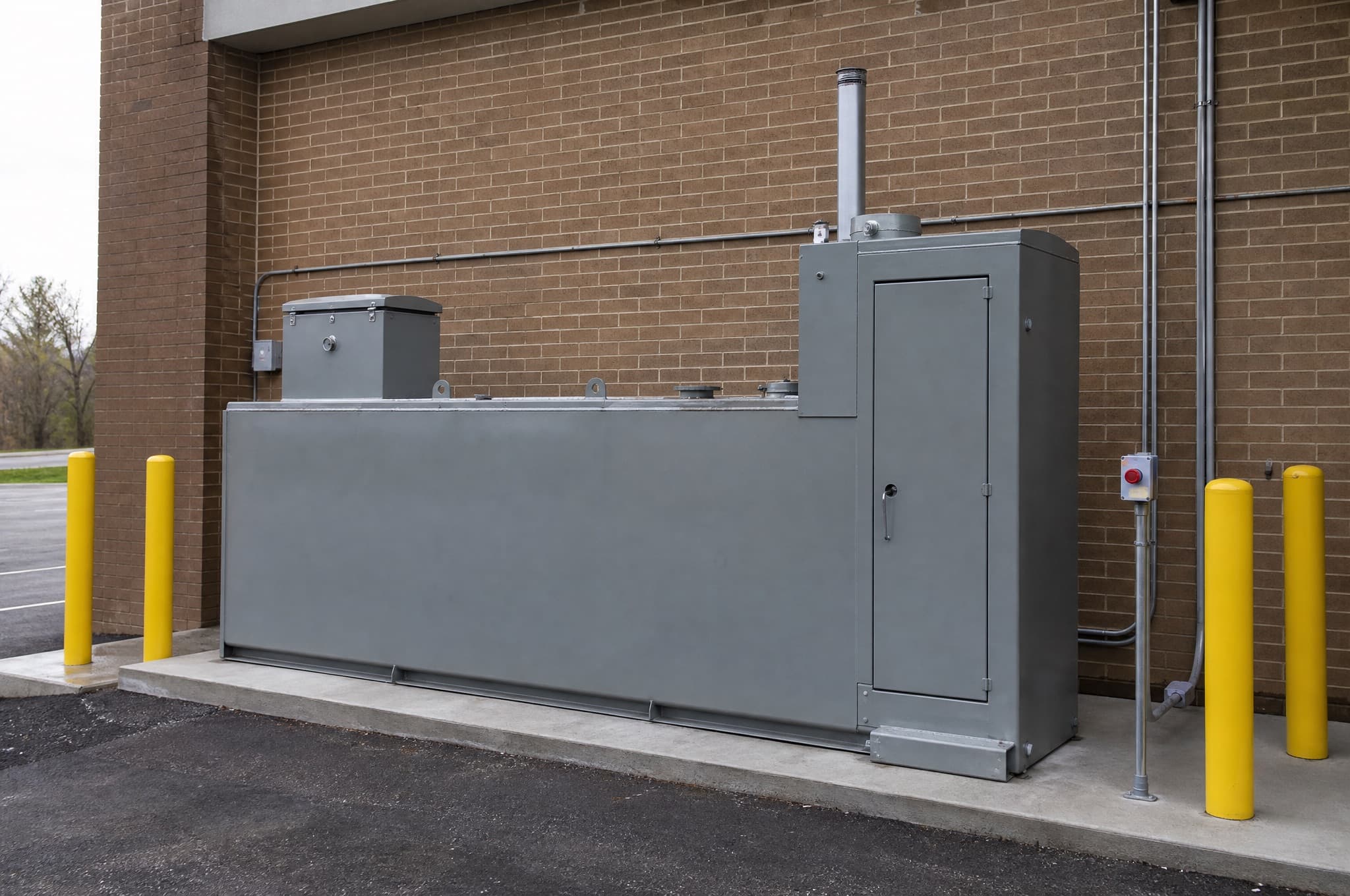
AST System Design
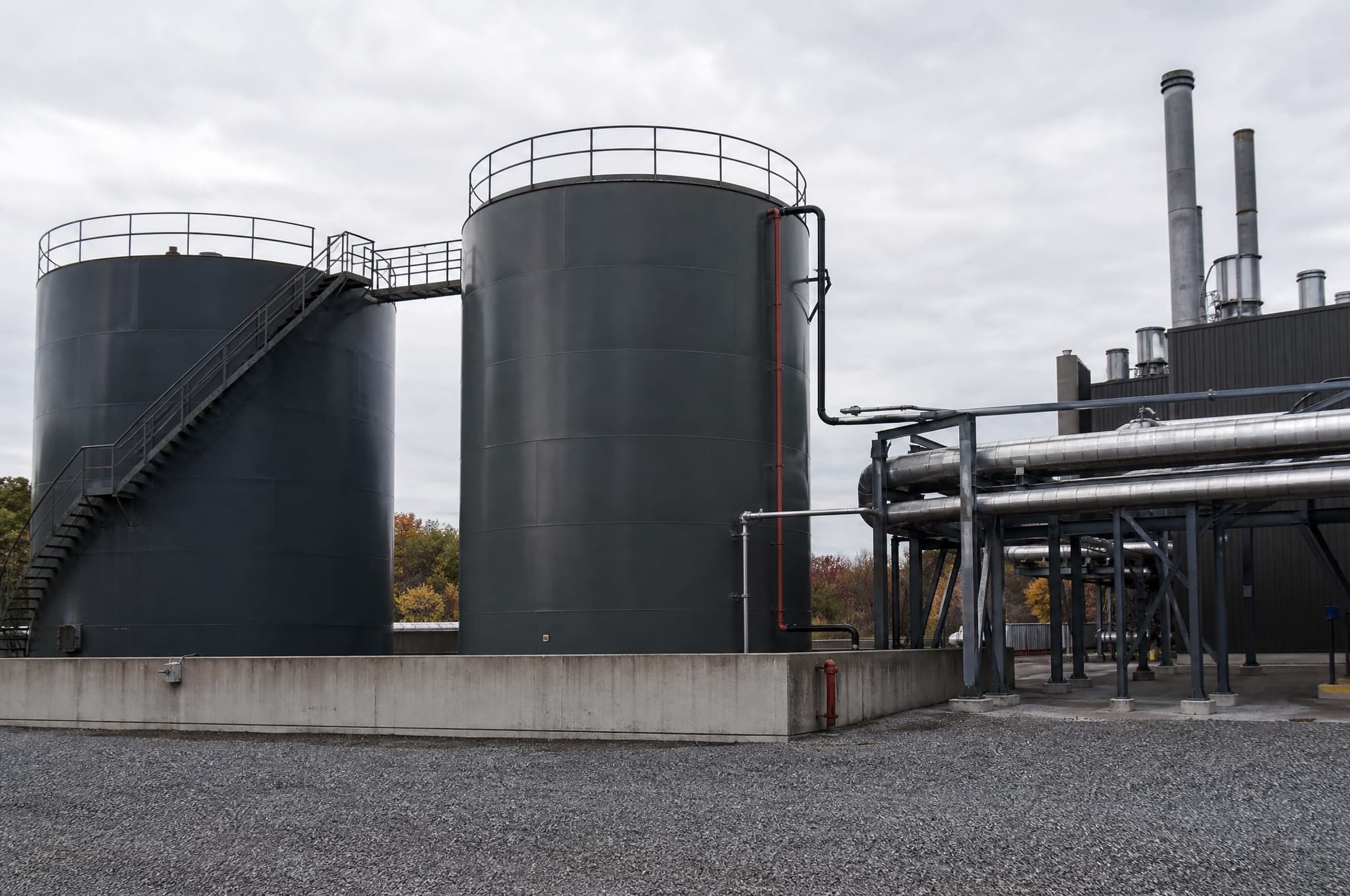
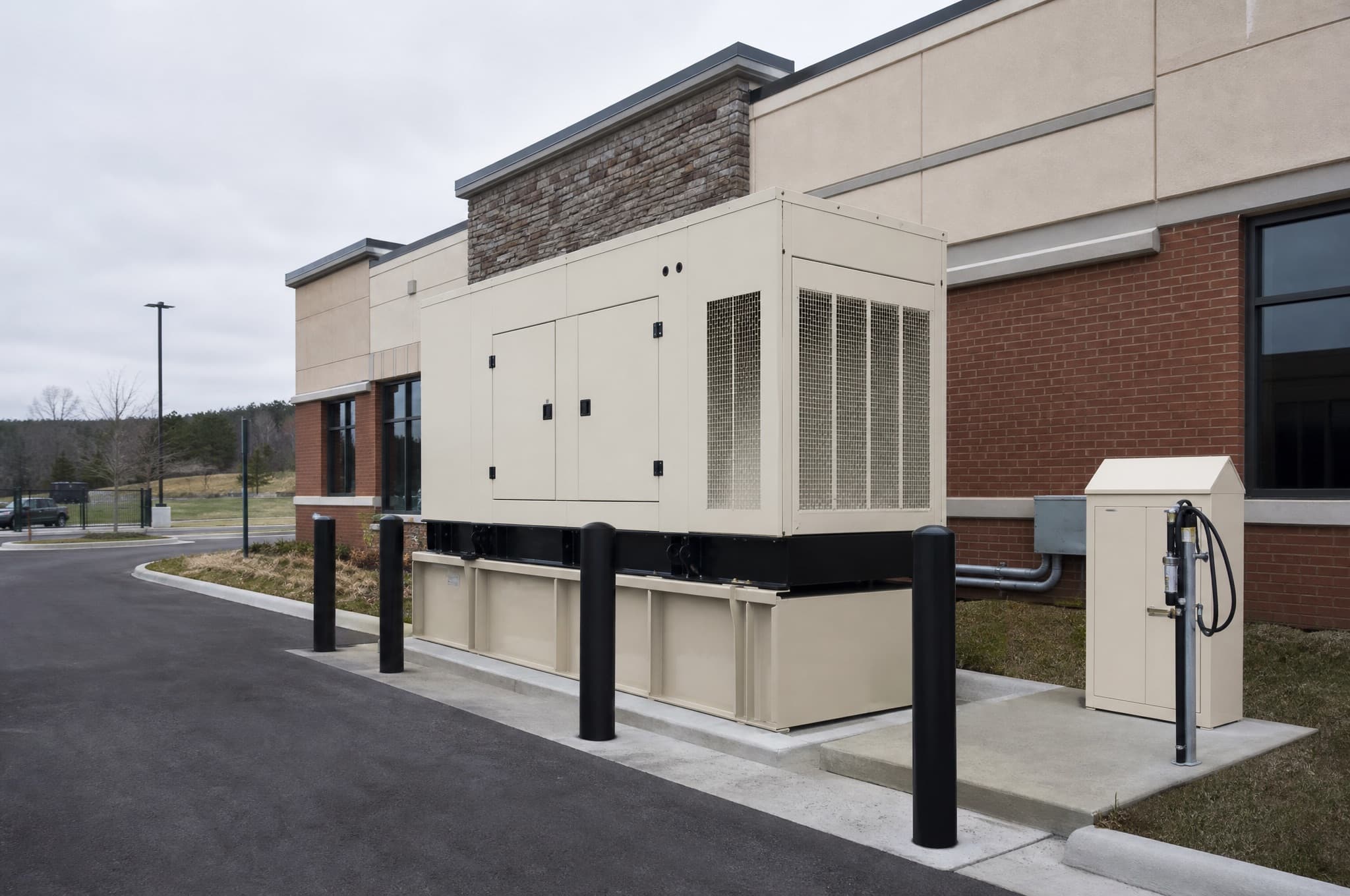
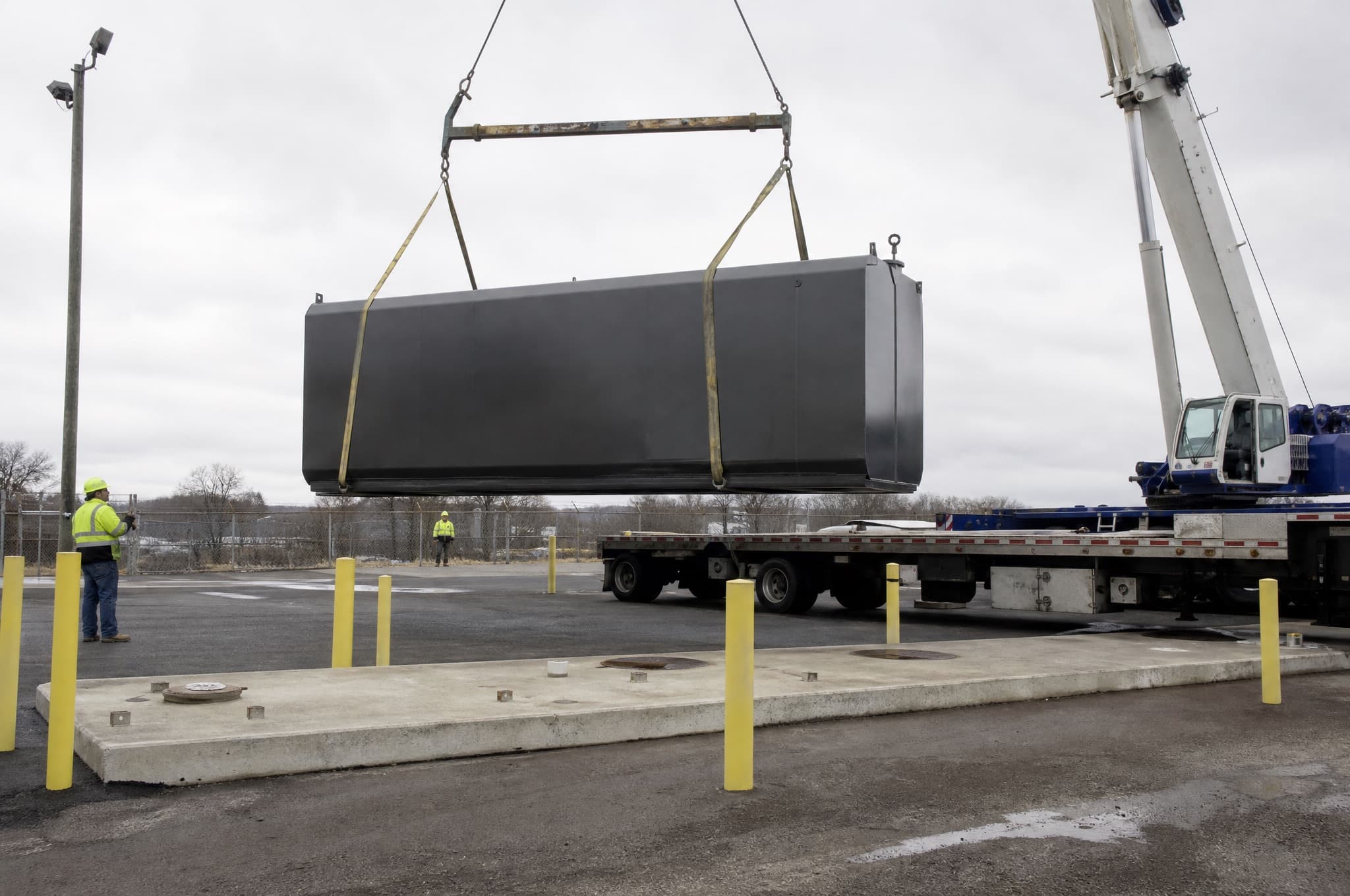
Aboveground storage tank systems for fuel, fuel oil, waste oil and generator diesel, sized and sited to fire code and AHJ requirements.
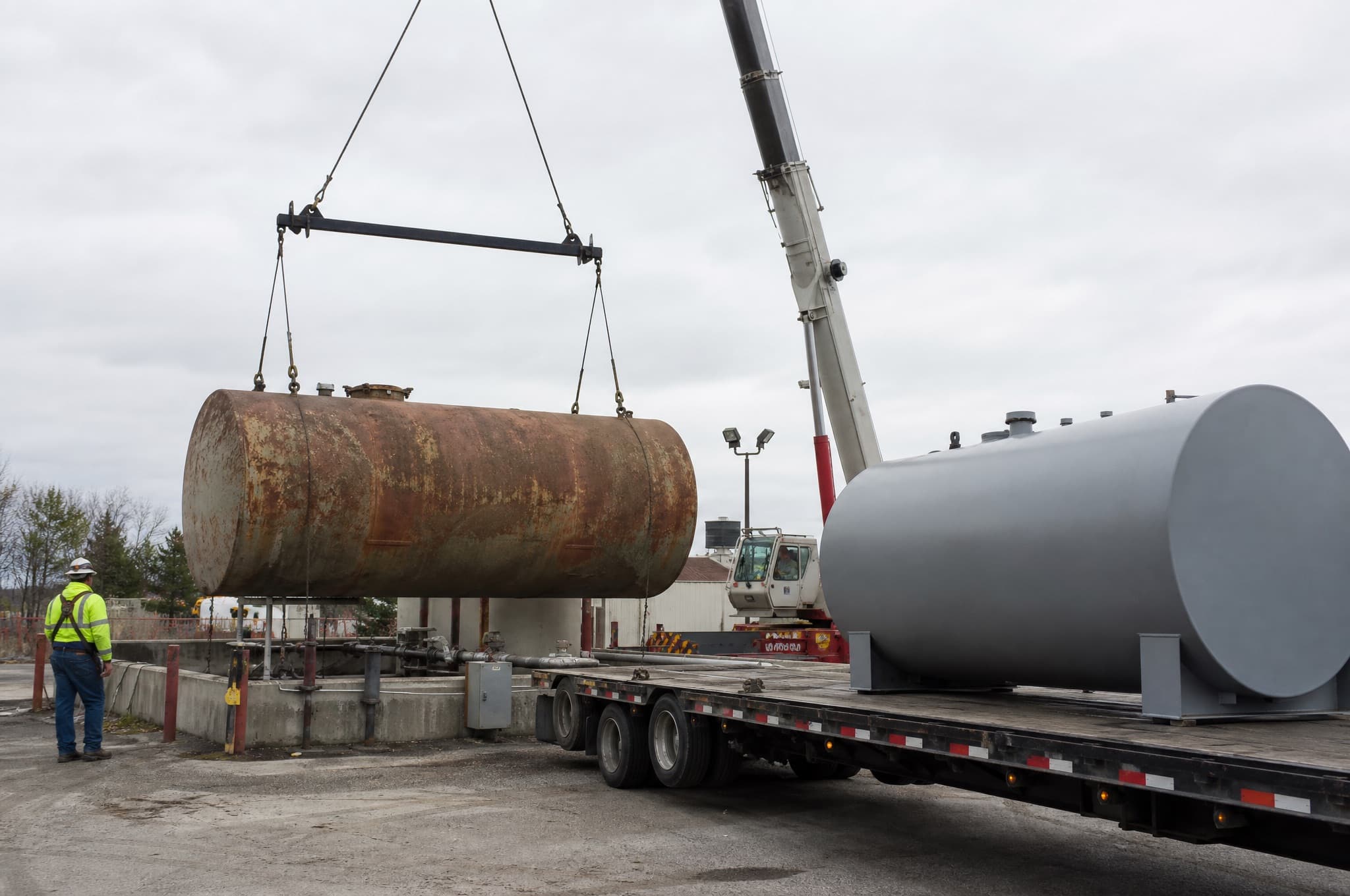
Fuel System Upgrades and Replacements
Aging tank replacement, capacity expansion, UST-to-AST conversion, sump replacement and overfill or containment corrections.
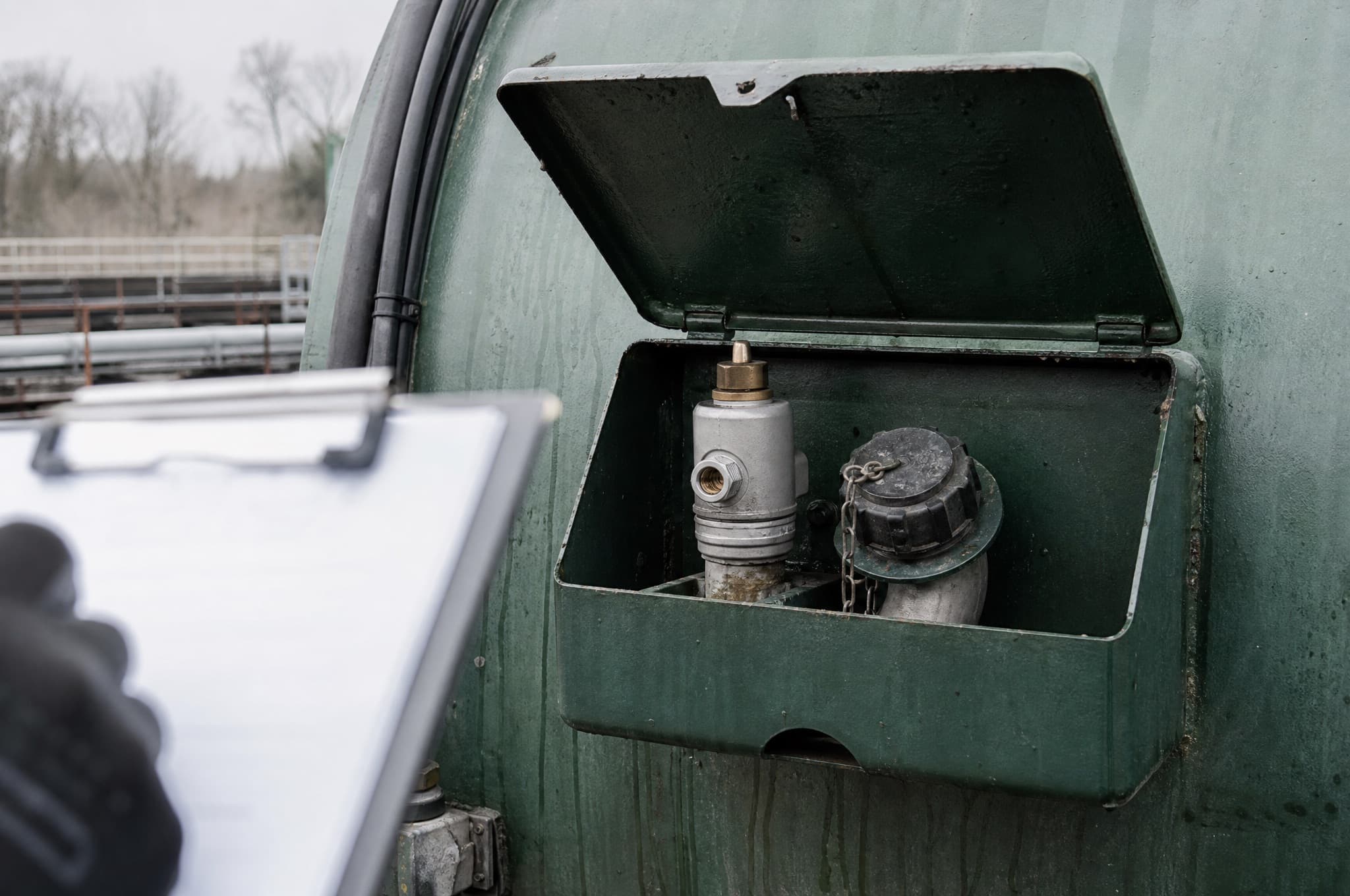
Compliance and Violation Resolution
Petroleum storage violations, unpermitted installations, failed tests and occupancy holds resolved with a defined corrective path.
Send us the situation. We'll tell you the path.
Photos, a violation notice, an inspection report, or just a description of the site. Matt reviews every inquiry personally and comes back with a clear next step.