
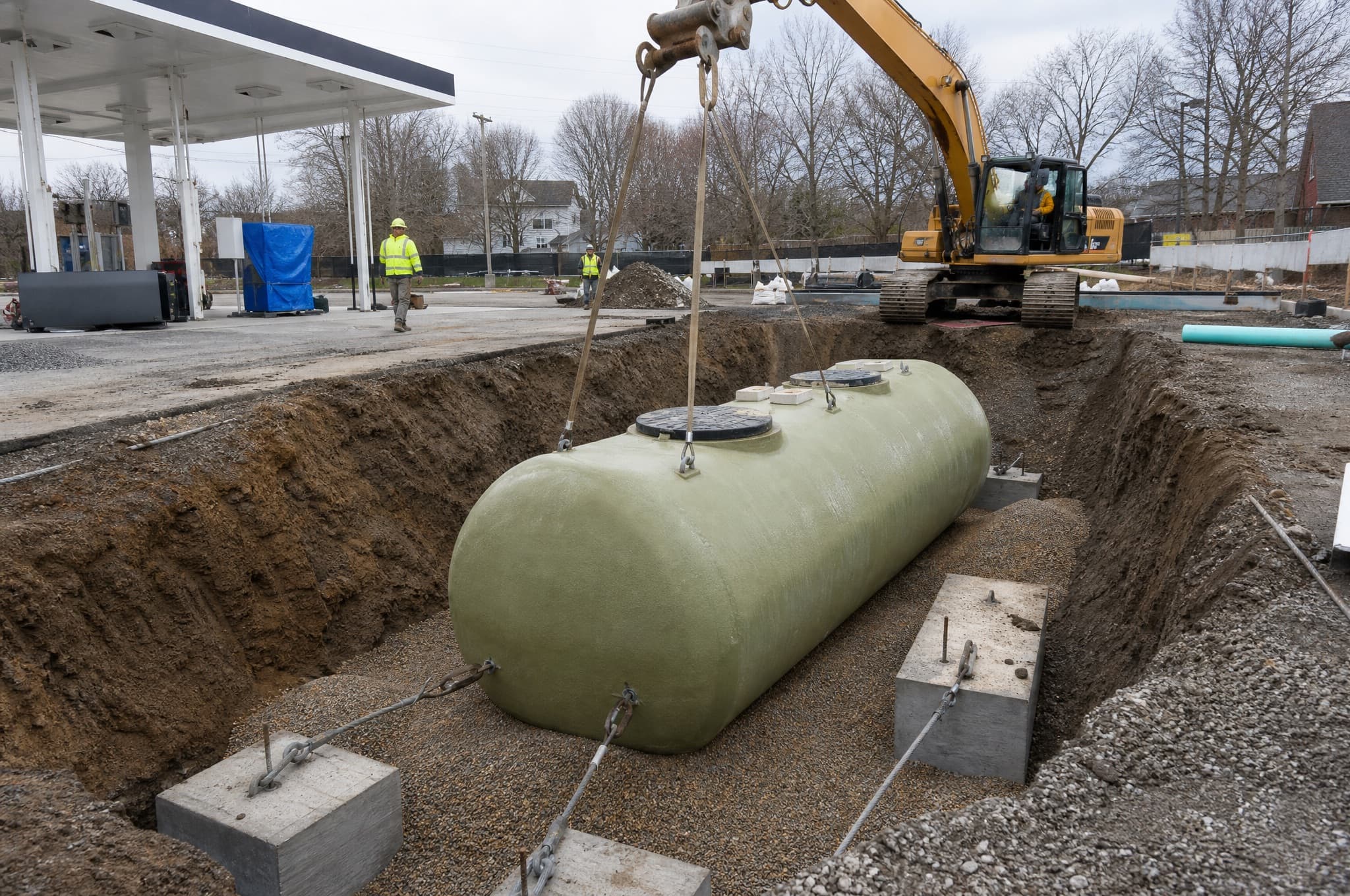
Underground tank systems designed to pass review and testing.
Double-wall tanks, piping, sumps, spill and overfill protection and release detection selected as one system, then documented so the contractor can build it and the AHJ can approve it.
The call usually starts like this.
If one of these sounds like your site, the form above is the fastest way to get a defined path back.
Our retail USTs are aging and we need a full system replacement without losing the site any longer than necessary.”
We need a diesel UST for a new emergency generator and the county wants drawings.”
Our UST sump failed testing and we're not sure whether to repair it or replace it.”
The health department told us we need a permit to construct before we touch the tank.”
We're adding a tank to an existing tank field and need to know what the code will allow.”
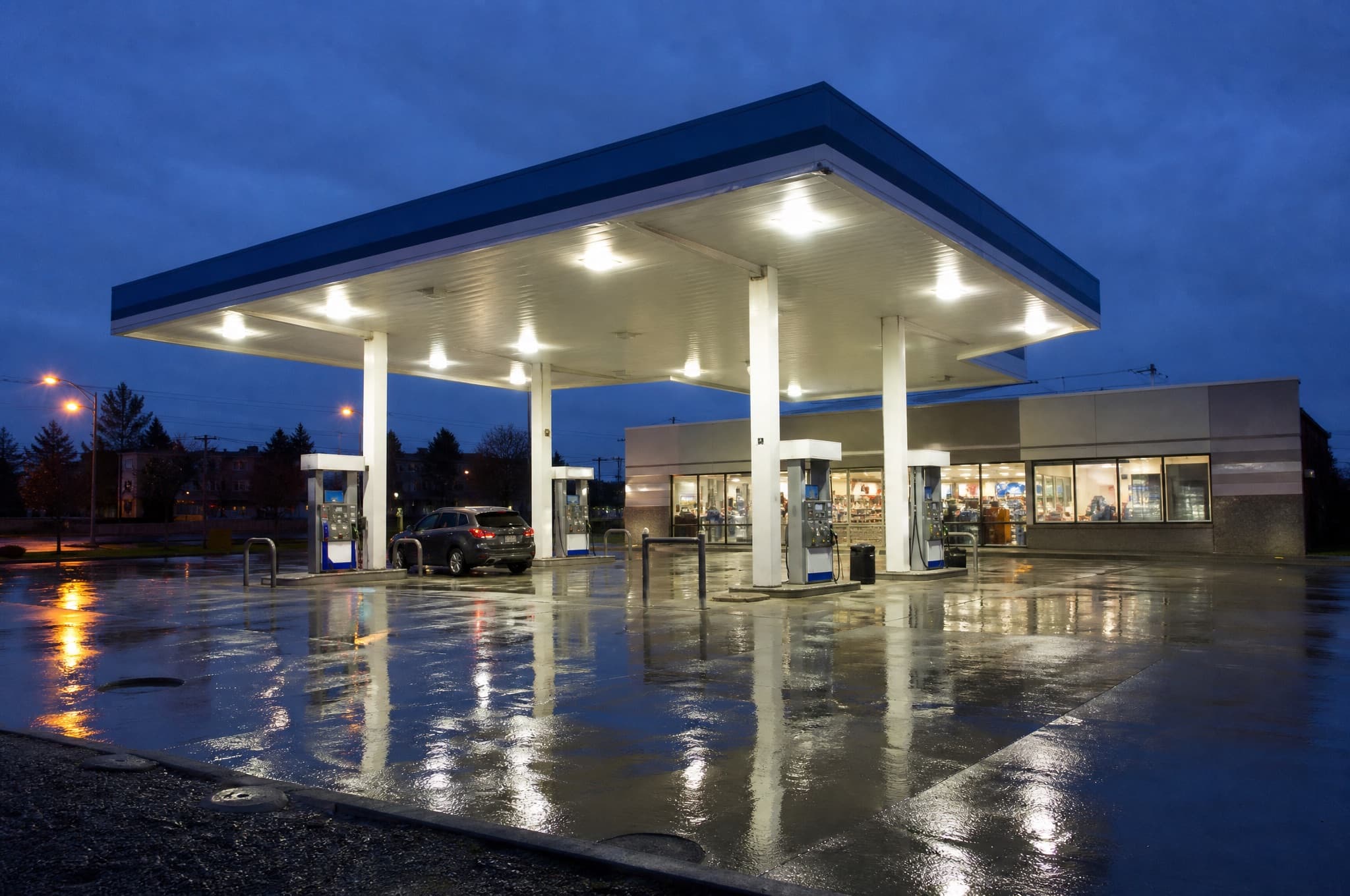
Concrete deliverables, not a proposal to write one.
- Permit drawing set with tank, piping, sump and dispenser details, excavation limits and anchorage
- Equipment schedule: tank, piping, STP, sumps, spill buckets, overfill prevention valves, ATG probes and sensors
- Release detection and overfill prevention narrative matched to 40 CFR 280 and the state program
- AHJ application package (SCDHS HMM-001 or NCDH and WCDOH equivalents, NYSDEC PBS, VA DEQ notification, local fire and building)
- Construction scope narrative for contractor bidding
- Closeout package: tightness and sump test certificates, registration updates and as-built markups
How ZE approaches ust system design.
Zambrano Enterprises provides specialized fuel-system design and technical consulting services. When professional engineering review or certification is required, ZE coordinates with appropriately licensed Professional Engineers through established professional relationships nationwide.
Federal, state and county rules resolved on one set
40 CFR 280 sets the floor. NYSDEC Part 613, the delegated county programs in Suffolk, Nassau and Westchester, and Virginia's 9VAC25-580 each add to it. ZE designs to the most stringent applicable requirement so the set does not come back from plan review with a list of conflicts.
Sumps, spill buckets and overfill are designed, not assumed
These are the parts of a UST system that fail tests. Penetration fittings, sump depth, test boundaries, spill bucket type and the overfill prevention method are specified on the drawings so the installer is not choosing them from the truck.
Constructible around what is already there
Excavation limits, groundwater, buried utilities, canopy footings, traffic patterns and keeping the facility open during the work are all part of the design, not discoveries for the contractor.
How the work runs.
- STEP 1
Investigate
Existing tank and PBS records, test history, site survey, utility locates, groundwater depth and how the facility operates today.
- STEP 2
Develop a compliance and design strategy
Replace or repair, capacity, tank construction and listing, secondary containment approach, release detection method and phasing. Confirm which AHJs are involved and what each will require.
- STEP 3
Design
Drawing set, equipment schedule and basis of design covering tank, piping, sumps, spill and overfill protection, release detection, dispensing and electrical coordination.
- STEP 4
Permit
Prepare and submit the county, state and local packages, respond to comments and carry the project to a permit to construct.
- STEP 5
Support construction and closeout
Submittal and RFI review, coordination of tank, line and sump testing, inspection scheduling, then registration updates and the permit to operate.
About ust system design.
Not answered here? Ask directly.
Talk to a Fuel-System SpecialistWhich rules apply to a new UST?
Federally, 40 CFR 280, everywhere in the country. On top of that sit the state program, any delegated county program and the local fire and building officials. In New York, for example, that is NYSDEC 6 NYCRR Part 613, administered directly by the county in Suffolk (SCDHS Article 12), Nassau (Article XV of the Nassau County Public Health Ordinance) and Westchester (WCDOH Article XXV), plus the state fire code and the local building department. Which of these is most stringent on a given detail varies by site, which is why ZE resolves them during design.
Does a new UST have to be double-walled?
In practice, yes. The federal UST rule requires secondary containment with interstitial monitoring for new and replaced tanks and piping, and state and county programs either follow it or exceed it. Single-wall replacement tanks are not a realistic option on a new or replacement installation.
What counts as spill and overfill protection?
A spill bucket (catchment basin) at every fill connection, and an overfill prevention device: an automatic shutoff valve in the drop tube or a high-level alarm, sized and set to the rule. Under the current federal rule, ball float valves are no longer accepted when overfill prevention is installed or replaced, and some AHJs specify which of the remaining methods they will accept. Suffolk County also wants the overfill condition detectable before any spillage can occur.
Our sump failed the hydrostatic test. Repair or replace?
It depends on where it failed and what it is made of. A failure at a penetration boot or fitting on a sound sump wall can often be corrected with new entry fittings. A cracked or delaminated sump, a sump with no test boundary, or one the AHJ will not accept for repair usually means replacement. ZE looks at the test report, the sump construction and the AHJ's position before recommending either.
How often are sumps and spill buckets tested?
Under the federal rule, spill buckets and containment sumps used for interstitial monitoring of piping are tested at least every three years, overfill prevention equipment is inspected at least every three years, and release detection equipment is tested annually. State and county programs can require more; Suffolk County keeps existing USTs on its own testing schedule under Article 12. The design sets the system up so those tests can be performed and passed.
Usually part of the same project.
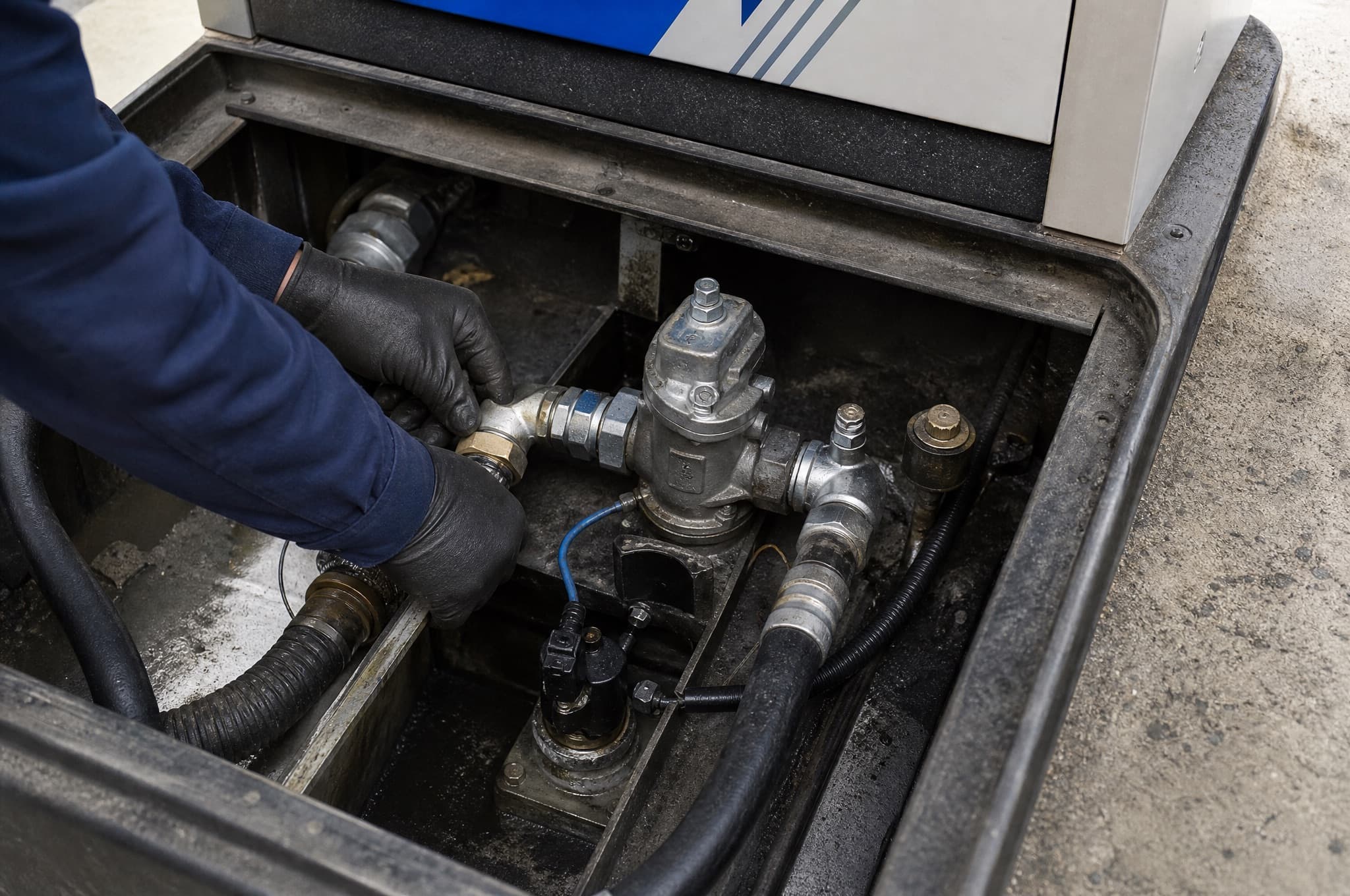
Fuel Piping and Dispensing Systems
Product piping, dispensers, sumps, vapor recovery and fuel-management interfaces designed as one coordinated system.
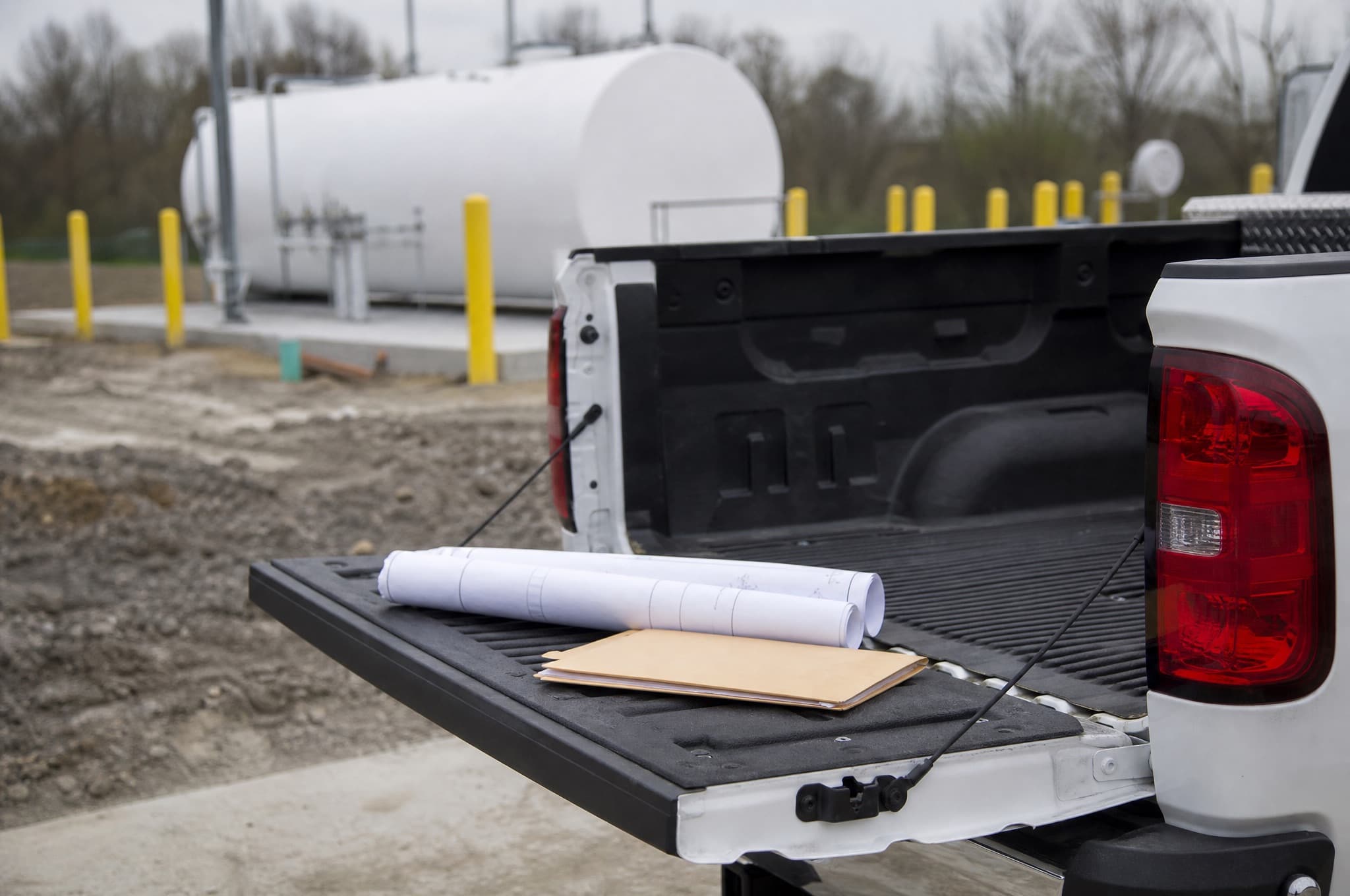
Fuel Tank Permitting
Permit due diligence and approvals from every authority having jurisdiction, handled as part of the design rather than an afterthought.
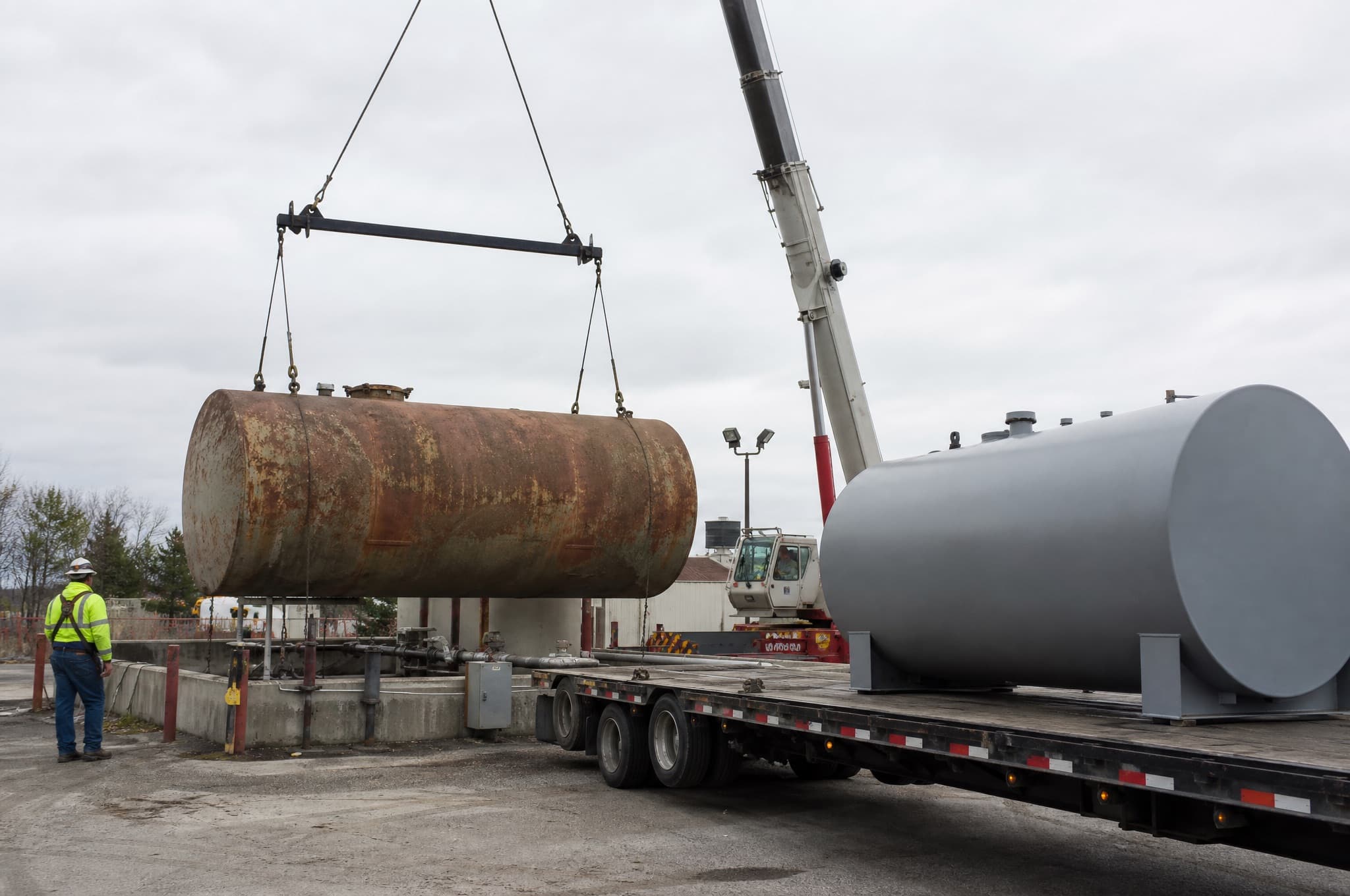
Fuel System Upgrades and Replacements
Aging tank replacement, capacity expansion, UST-to-AST conversion, sump replacement and overfill or containment corrections.
Send us the situation. We'll tell you the path.
Photos, a violation notice, an inspection report, or just a description of the site. Matt reviews every inquiry personally and comes back with a clear next step.