
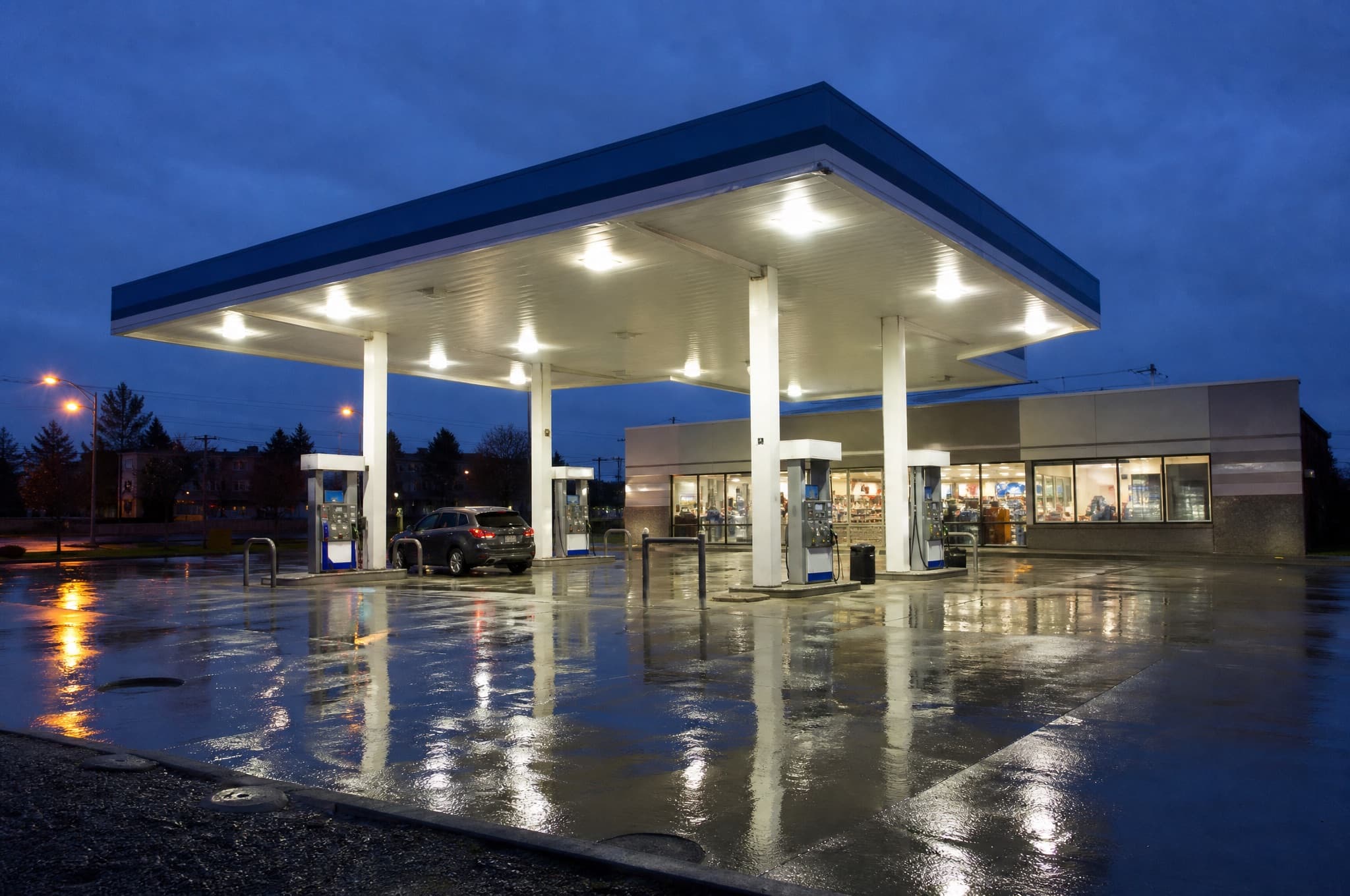
Retail fueling systems designed to be permitted and built once
Service stations and convenience fueling face the most frequent inspections and the least tolerance for downtime. ZE defines the system before the contractor prices it.
Station owners, jobbers and convenience operators live with the most regulated fuel systems in the market. Tanks on a testing schedule, an ATG that has to be read and kept, sumps and spill buckets tested on a cycle, line leak detection, Stage I vapor recovery, dispensers and hanging hardware that all have to be listed and compatible with what is in the tank. Gas stations are also inspected more often than most facilities, and county health departments on Long Island keep a close schedule.
What usually starts a project: a sump fails a tightness test, the tanks are single-wall and reaching the end of what the AHJ or the insurer will accept, an ATG alarm was ignored for too long, or a notice of violation arrives after a routine SCDHS or DEC inspection. Just as often the trigger is business. A brand conversion needs new dispensers and higher flow. Diesel is being added. A canopy replacement drags the whole forecourt into permitting. Or the station was just purchased and the buyer discovers that a tank was replaced or piping rerouted years ago with no permit on file.
A retail UST replacement is permit-heavy and downtime-heavy, which is exactly why it should be designed first. Tank count and size, piping routing, sumps, dispensers, electrical classification, ATG and leak detection, vapor recovery and the phasing that keeps part of the station open are all decided on paper. County health, DEC or DEQ, building and fire review a complete set. Then contractors price the same system, and the owner gets comparable bids instead of a low number with a change order behind it.
Typical projects
- Full retail UST system replacement: tanks, product piping, sumps, dispensers, ATG and leak detection
- Dispenser and piping upgrades for brand conversion, added diesel or a change in fuel blends
- Replacement of failed STP, dispenser and transition sumps found during tightness testing
- Resolution of petroleum storage violations issued after a county health or DEC/DEQ inspection
- Legalization of tank or piping modifications performed by a previous owner without permits
- Storage-capacity or product-grade changes when the sales mix shifts
- Owner representation through construction: bid review, submittals, field questions and closeout
- Closure of retired USTs and deregistration when a station is downsized or redeveloped
What has to be settled in design for retail fueling.
Authorities that typically have jurisdiction
- NYSDEC (Part 613 Petroleum Bulk Storage)
- SCDHS Article 12, the NCDH storage ordinance or WCDOH Article XXV
- Local building department and fire marshal
- NYC DOB and FDNY inside the five boroughs
- VA DEQ (9VAC25-580) and the local fire official
- Outside these jurisdictions, the state, county and local authorities having jurisdiction at the project site
Jurisdiction varies by site, tank size and product. ZE confirms the applicable authorities during permit due diligence.
Phasing decides how much revenue you lose
Which tanks and dispensers stay live during each phase, whether a temporary fueling arrangement is allowed, and how canopy or electrical work sequences with the tank work are design decisions. A layout that lets one island stay open during replacement is worth more to most operators than any equipment choice, and it has to be on the drawings for the contractor to price it.
40 CFR 280 and the state rules on top of it
Federal UST rules set the floor: double-wall tanks and piping with interstitial monitoring, spill and overfill equipment, under-dispenser containment, three-year testing of spill buckets and containment sumps used for interstitial monitoring, three-year overfill inspections and routine walkthrough inspections. New York applies NYSDEC Part 613 and Virginia applies DEQ 9VAC25-580, and both go further than the federal rule in places. The design should be built to the stricter applicable requirement from the start.
NFPA 30A for the forecourt
Dispenser placement, emergency shutoff and shear valves, the location of the emergency stop, separation from buildings and property lines, and vehicle impact protection all come from NFPA 30A as adopted through the state fire code. How a local fire marshal applies those provisions to a tight corner lot varies, and finding out during plan review is better than finding out during inspection.
Fuel compatibility is documented, not assumed
Under 40 CFR 280.32, an owner storing blends above certain ethanol or biodiesel percentages must demonstrate that tanks, piping, hanging hardware and containment are compatible. Adding a blend or a new grade to an older system is a compatibility review first and an equipment order second.
County health permits and test certificates
On Long Island, SCDHS issues a permit to construct and a permit to operate under Article 12, with test certificates filed by an approved tester on a defined schedule. Nassau and Westchester run their own programs. The design and permit package need to reflect how each county wants to see the tank, piping, monitoring and testing, because that is what the inspector checks against later.
Electrical, ATG and vapor recovery belong in the set
Hazardous area classification around dispensers and sumps, ATG probe and sensor coverage, line leak detection, console programming and communication with the point of sale are part of the system, not an electrician's afterthought. Stage I vapor recovery remains required for gasoline, and state air rules for Stage II have changed over time, so the current requirement for the site should be confirmed during design.
Where ZE fits on a retail fueling project.
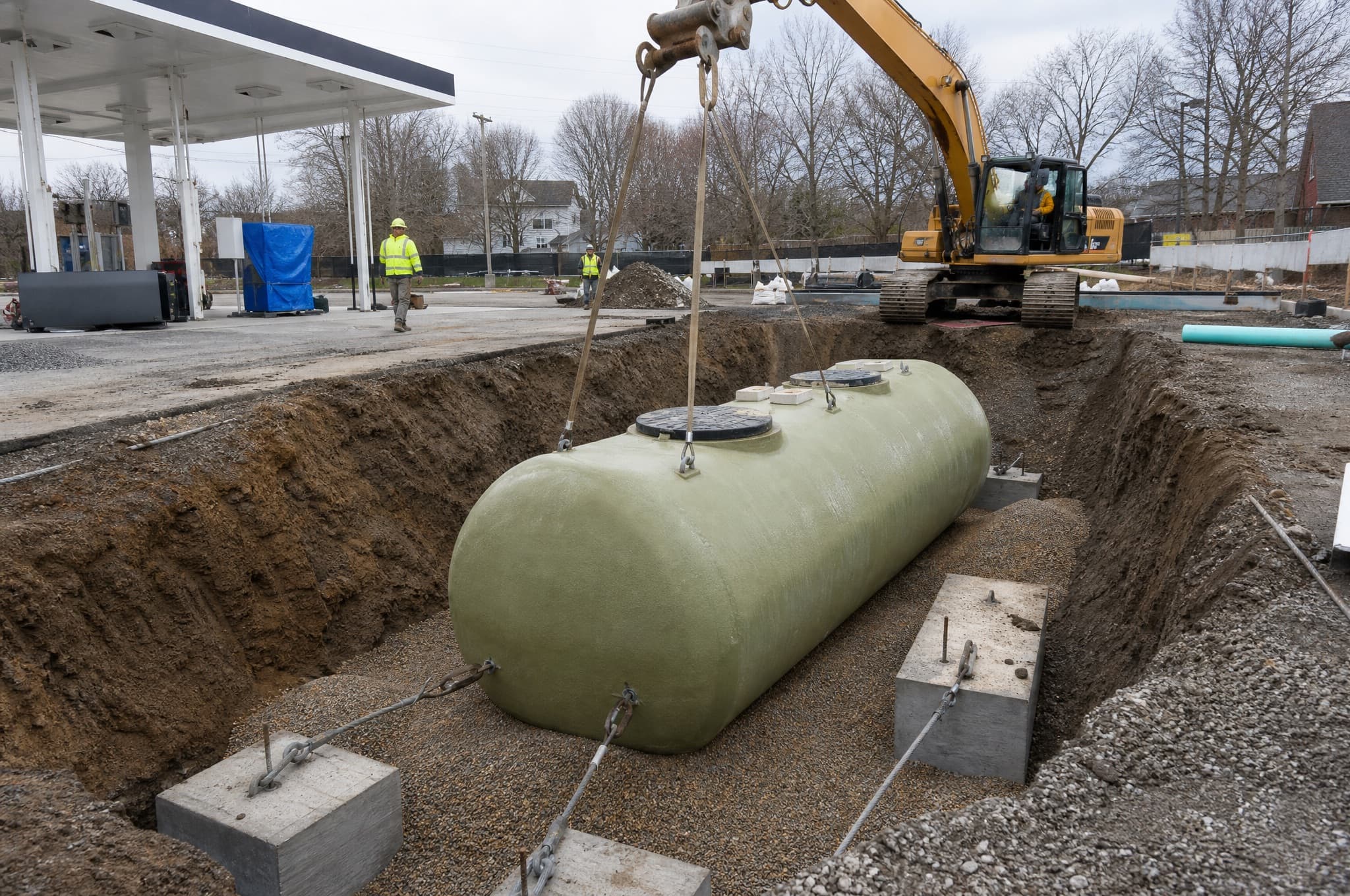
UST System Design
Underground storage tank systems: tank, piping, sumps, leak detection and dispensing, designed to the applicable federal, state and county rules.
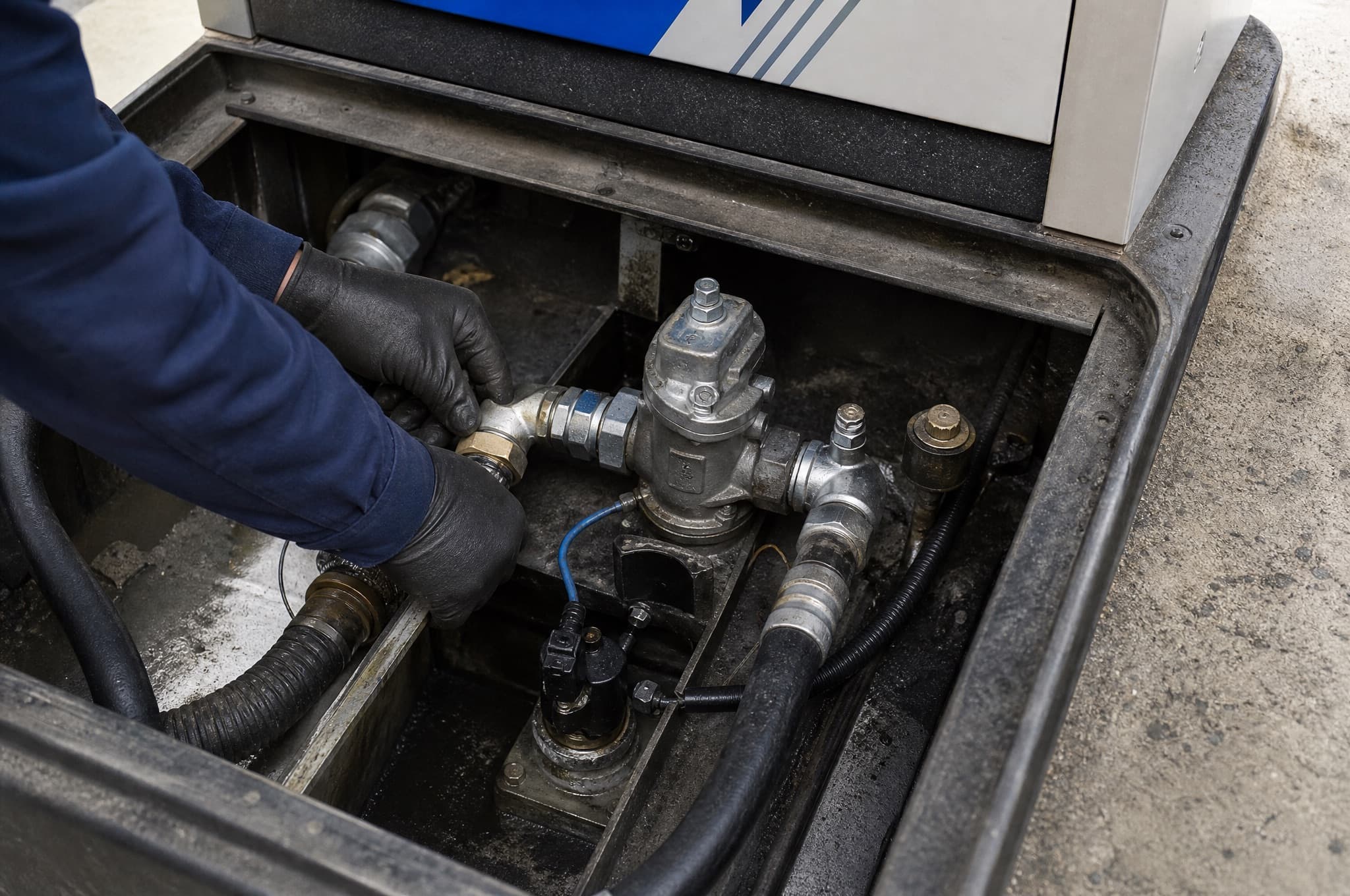
Fuel Piping and Dispensing Systems
Product piping, dispensers, sumps, vapor recovery and fuel-management interfaces designed as one coordinated system.
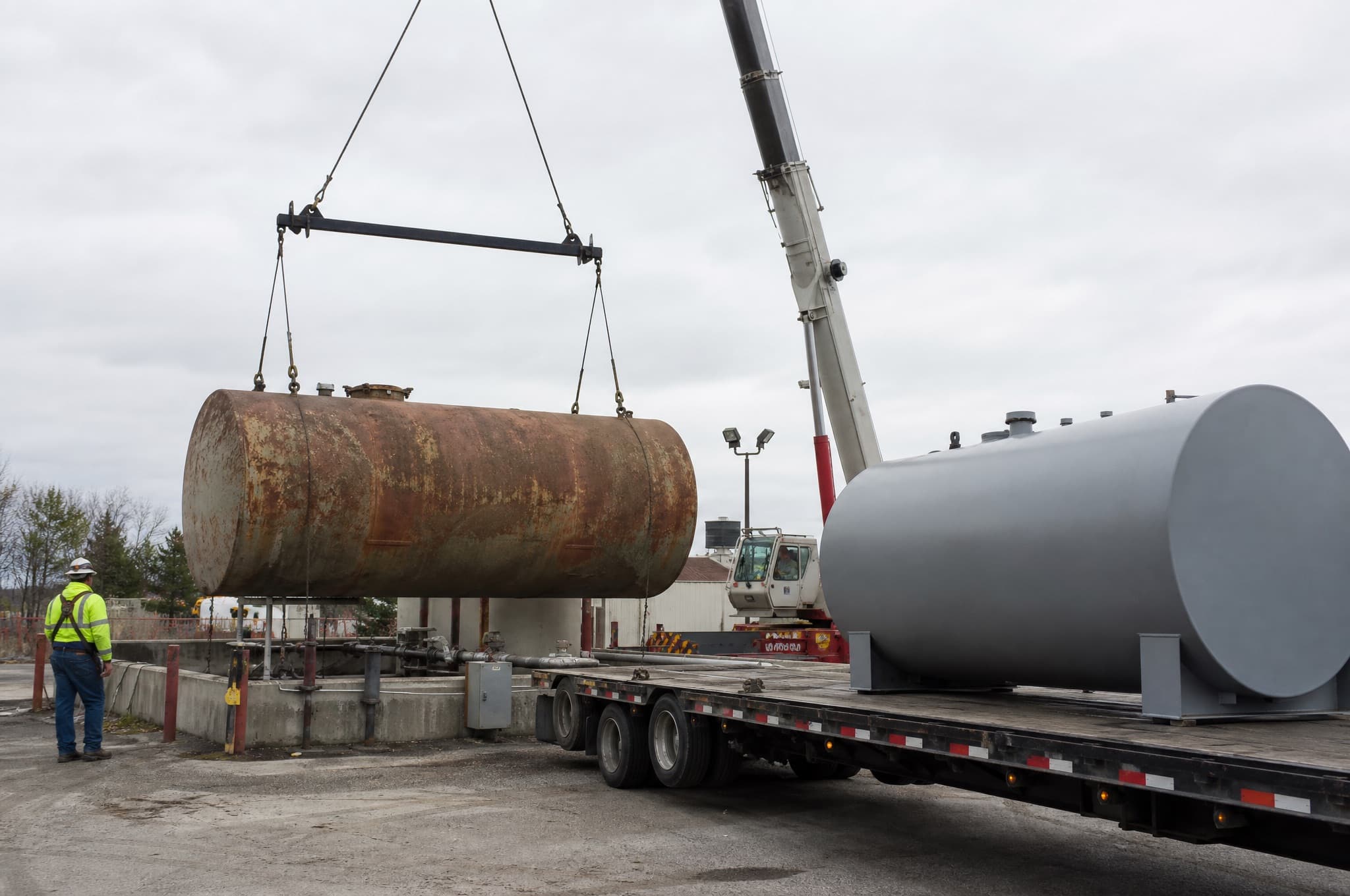
Fuel System Upgrades and Replacements
Aging tank replacement, capacity expansion, UST-to-AST conversion, sump replacement and overfill or containment corrections.
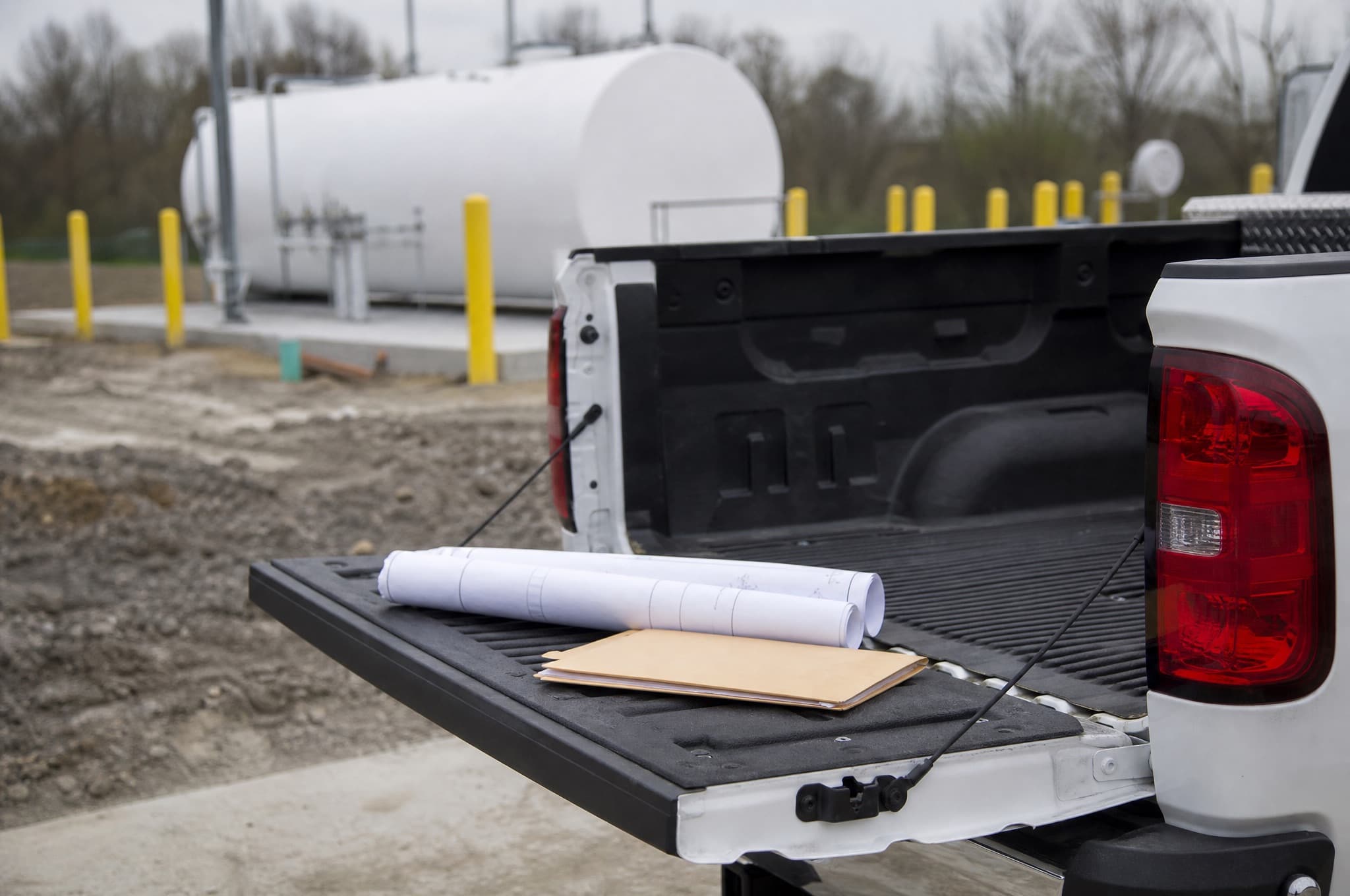
Fuel Tank Permitting
Permit due diligence and approvals from every authority having jurisdiction, handled as part of the design rather than an afterthought.
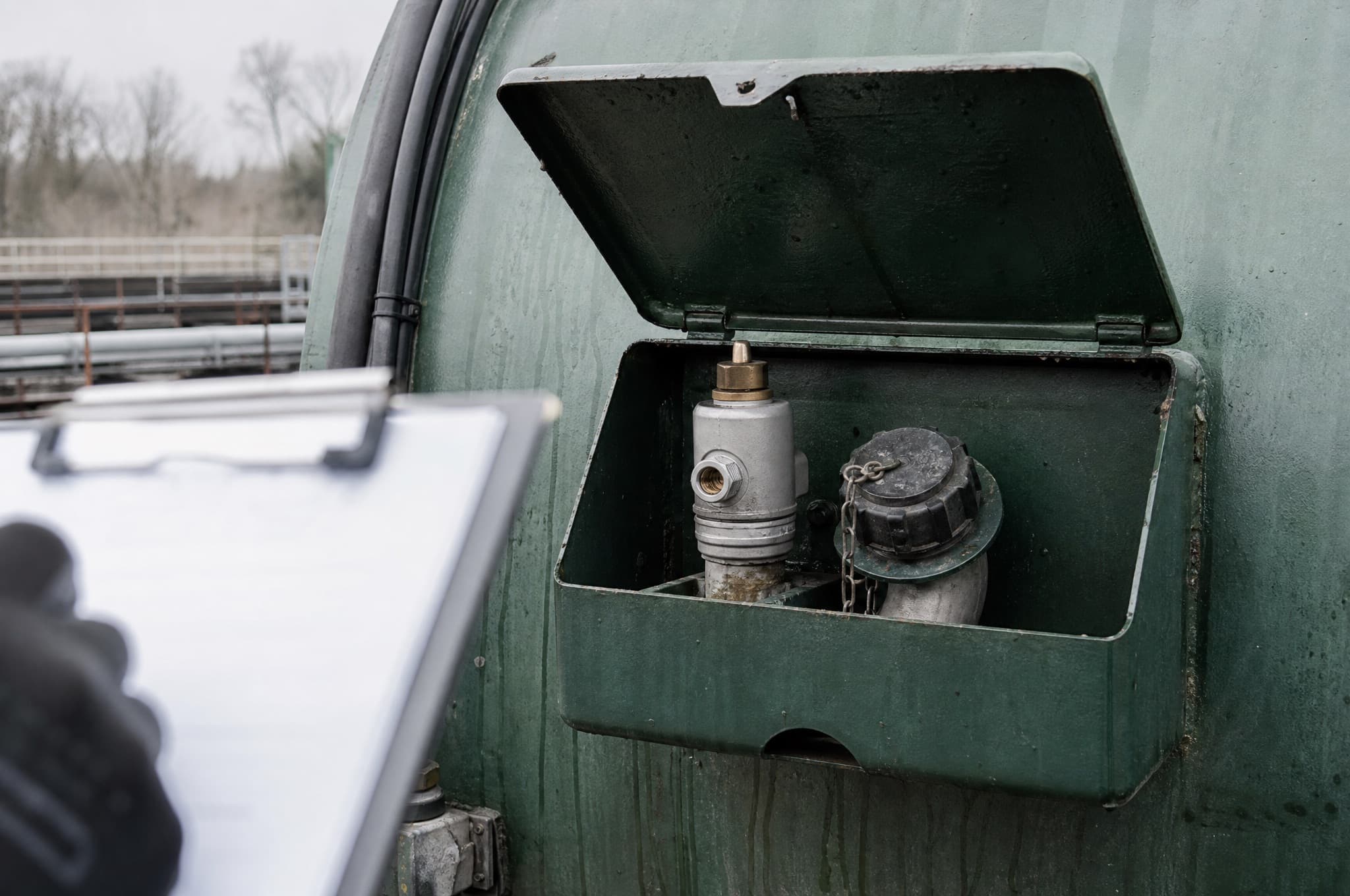
Compliance and Violation Resolution
Petroleum storage violations, unpermitted installations, failed tests and occupancy holds resolved with a defined corrective path.
Start with your situation
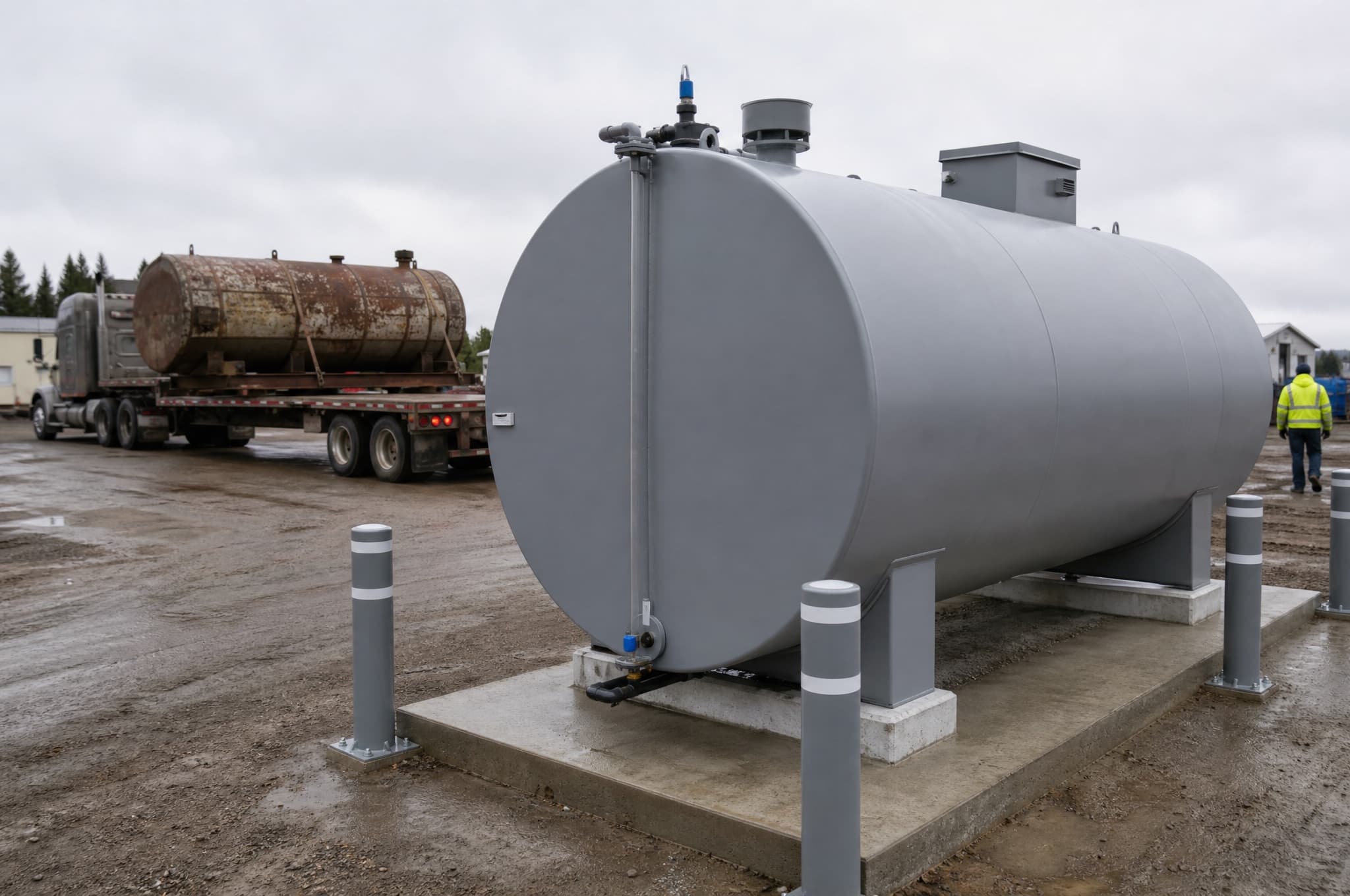
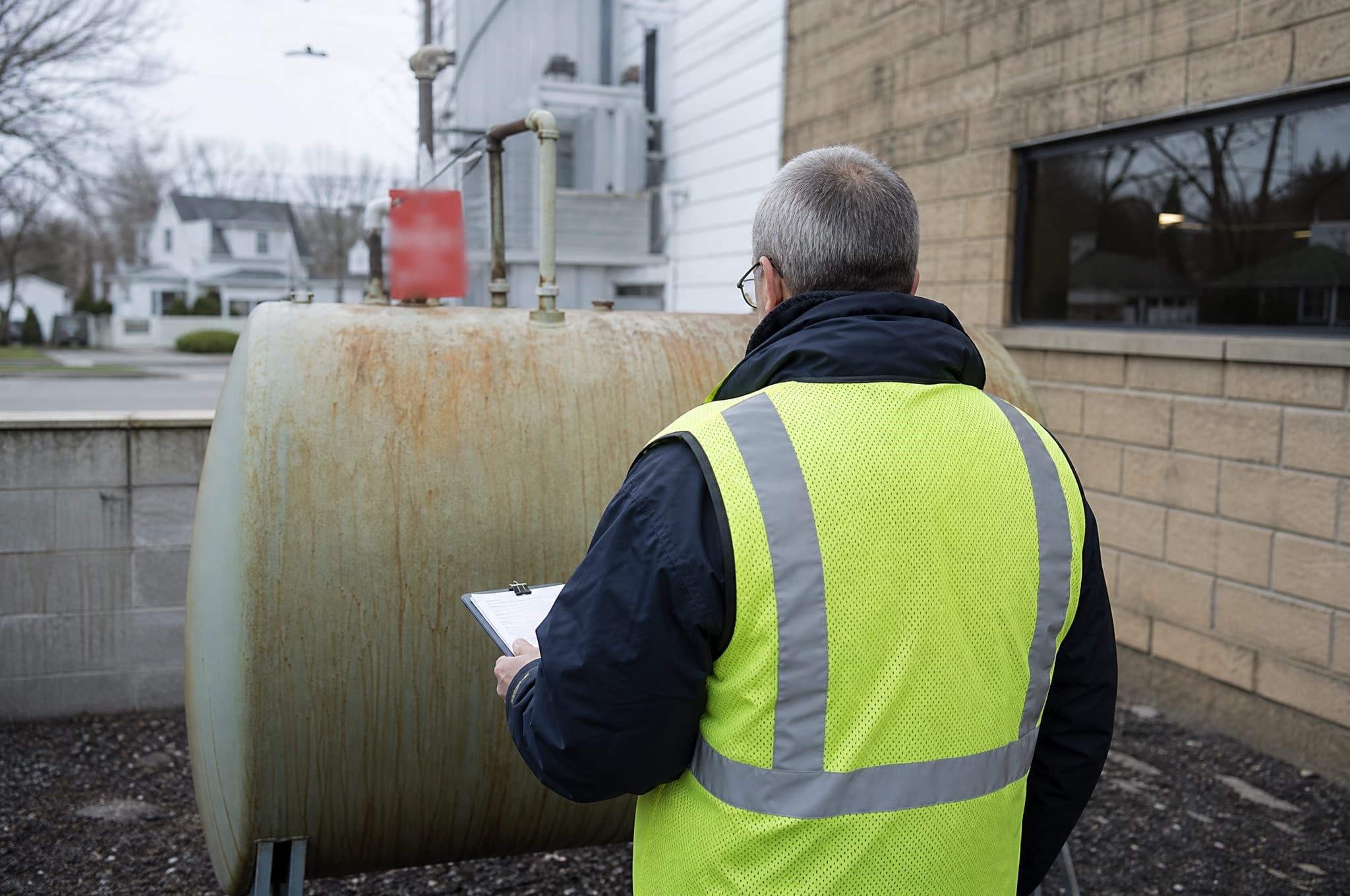
About retail fueling.
Not answered here? Ask directly.
Talk to a Fuel-System SpecialistCan the station stay open during a UST replacement?
Sometimes partly, depending on the layout. If the tank field can be isolated while one island stays live, or if the AHJ will accept a temporary fueling arrangement, the design can be phased around it. On small lots the honest answer is a full shutdown for a defined window. Either way, it should be decided and drawn before bid, not negotiated with the contractor afterward.
We failed a sump tightness test. Does that mean a full replacement?
Usually not. A failed sump is typically corrected by replacing the sump or, where the AHJ accepts it, retrofitting it. That said, a failed sump at a station with thirty-year-old tanks is a reasonable moment to evaluate the whole system, because the next failure is coming and a planned replacement costs less than an emergency one.
Do we need a permit to replace dispensers?
It varies by jurisdiction. A like-for-like swap may not, but most dispenser projects also touch under-dispenser containment, shear valves, electrical or vapor recovery, and those changes generally do require county health and fire marshal review. ZE checks the specific scope against the local requirements before anything is ordered.
What is the three-year testing requirement everyone mentions?
The 2015 revisions to 40 CFR 280 require spill prevention equipment and containment sumps used for interstitial monitoring to be tested every three years, overfill prevention equipment to be inspected every three years, and release-detection equipment to be tested annually, in addition to periodic walkthrough inspections. States implement these through their own programs, and county rules on Long Island run extensive local programs, reflecting the groundwater aquifer system that serves as the sole source of drinking water on Long Island.
Can we add diesel or a higher ethanol blend to our existing system?
Possibly, after a compatibility review. Blends above the thresholds in 40 CFR 280.32 require documented compatibility for the tank, piping, hanging hardware and containment, and adding a product often means a tank conversion or a new tank plus dispenser and piping changes. That is a design question with a permit attached.
Send us the situation. We'll tell you the path.
Photos, a violation notice, an inspection report, or just a description of the site. Matt reviews every inquiry personally and comes back with a clear next step.