
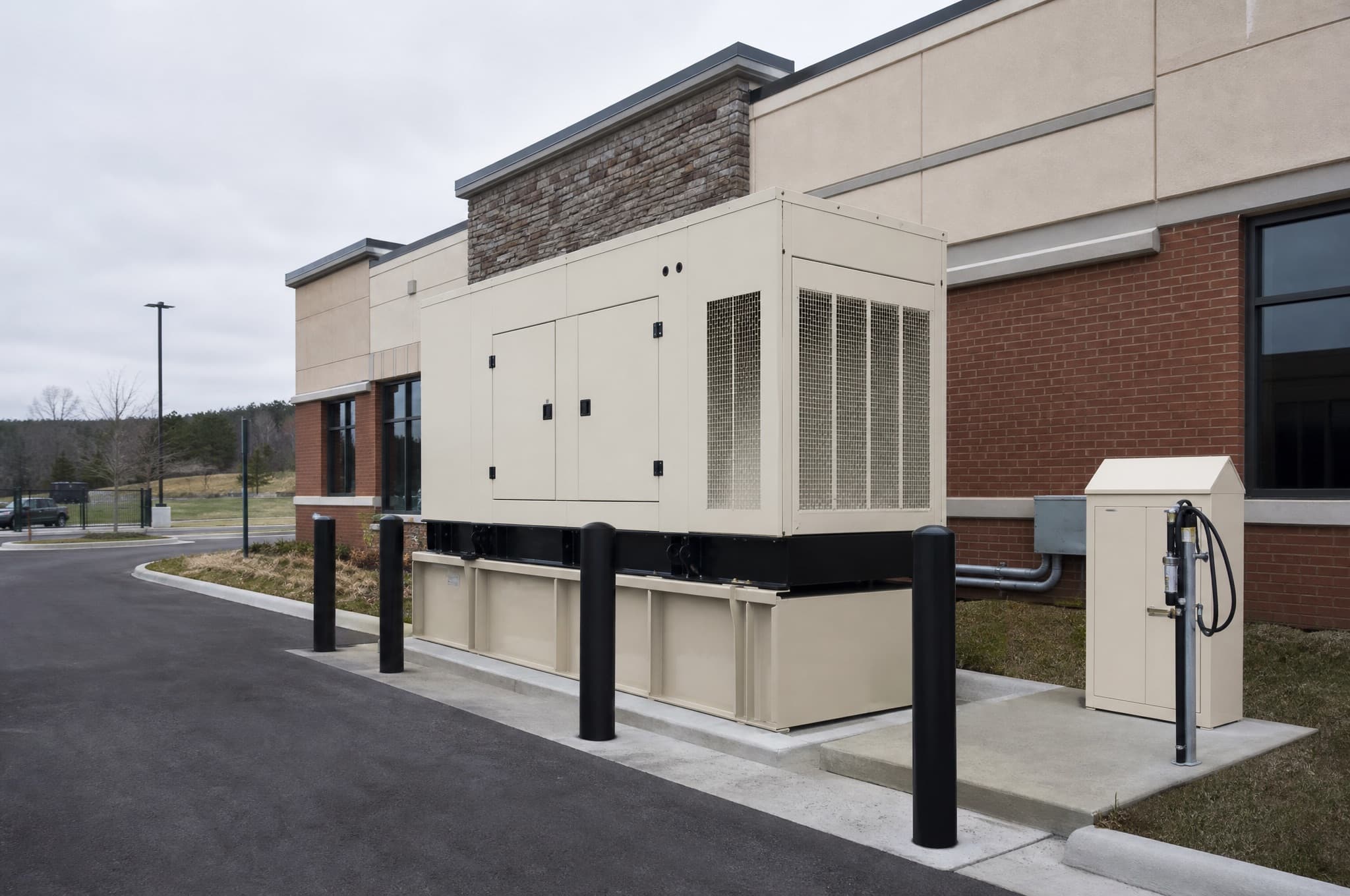
Generator fuel systems designed with the fire marshal, not after
Standby power is only as reliable as the diesel behind it. ZE sizes, sites and permits generator tanks so the electrical contractor, the fire marshal and the health department work from the same drawing.
Facility managers, property managers and EHS staff at hospitals, data centers, telecom sites, water and sewer plants, schools, multifamily buildings and campuses all own the same thing: a diesel tank that has to work on the worst day of the year. Sub-base tanks under the generator, remote aboveground tanks, underground tanks with day tanks and transfer pumps, fill stations, alarms. In most projects the fuel system is a line item inside a much larger electrical scope, and it gets the attention that implies.
That is how the problems start. The electrical contractor set the generator on a belly tank and nobody filed with the county health department or registered with NYSDEC. A tank added for a generator upgrade never went in front of the fire marshal. A day tank was piped without the return and overflow the fire code expects. The generator was upsized and the tank was not. An older underground generator tank that was deferred from federal release-detection requirements is not deferred anymore. The health department shows up for something else and leaves a notice about the generator tank. Or the fuel has been sitting for years and nobody knows if it will run.
The fuel side has its own rules: NFPA 110 classifies systems by required runtime, NFPA 37 governs engine placement, the fire code and NFPA 30 govern the tank, UL 142 and UL 2085 govern what the tank is, the state petroleum program and any delegated county health department govern petroleum storage, and 40 CFR 280 governs any underground tank. Designing the fuel system first means capacity comes from the runtime requirement, location comes from separation distances, the fill, vent, day-tank and leak-detection details are drawn, and the permit set goes in before the electrical contractor needs a decision.
Typical projects
- New diesel AST or sub-base tank systems for emergency and standby generators
- Diesel USTs with day tanks and transfer pumps for hospitals, data centers and other critical facilities
- Legalization of generator tanks installed without a county health, DEC or DEQ permit
- Release-detection upgrades for older generator USTs no longer deferred under 40 CFR 280
- Tank capacity increases when a generator is upsized or the runtime target changes
- Replacement of aging generator USTs with aboveground protected tanks
- Overfill-protection, containment and fill-station corrections after an inspection
- PBS registration and SPCC coordination for facilities with several generator tanks
What has to be settled in design for emergency generator fuel systems.
Authorities that typically have jurisdiction
- Local fire marshal (fire code Chapter 57, NFPA 110 and NFPA 37 as adopted)
- NYSDEC (Part 613 Petroleum Bulk Storage)
- SCDHS Article 12, the NCDH storage ordinance or WCDOH Article XXV
- NYC DOB and FDNY inside the five boroughs
- VA DEQ (9VAC25-91 and 9VAC25-580) and the local fire official
- Outside these jurisdictions, the state, county and local authorities having jurisdiction at the project site
Jurisdiction varies by site, tank size and product. ZE confirms the applicable authorities during permit due diligence.
Runtime sets capacity
NFPA 110 classifies emergency power systems by the hours they must run without refueling, and health care facilities and some owner programs plan for longer horizons still. Capacity comes from that runtime multiplied by engine consumption at the expected load, using usable volume rather than nominal tank size, with an honest look at whether a fuel delivery can reach the site during a regional outage. A tank sized from the generator vendor's cut sheet alone is often short.
Sub-base, remote AST, or UST with a day tank
Sub-base tanks are simple but limited in size and can push the generator into separation problems. A remote UL 142 or UL 2085 aboveground tank frees the generator location and, with a protected tank, reduces required clearances. An underground tank with a day tank adds transfer pumps, return and overflow piping, day-tank leak detection and alarms, and federal UST obligations. Each is right somewhere, and the site decides.
Separation distances vary by AHJ
Distances from the tank to property lines, buildings, openings and the generator itself come from the fire code and NFPA 30 tables as the local fire marshal applies them, and UL 2085 protected tanks are generally allowed closer than UL 142 tanks. Indoor and rooftop tanks carry quantity limits, enclosure and structural questions on top of that. These are the numbers that move a tank in plan review, so they are settled in design.
Petroleum storage rules apply to generator tanks
In New York, NYSDEC Part 613 registration typically applies once aggregate storage reaches 1,100 gallons or any UST holds 110 gallons or more, and SCDHS, NCDH and WCDOH require their own permits for generator tanks. In Virginia, DEQ regulates ASTs under 9VAC25-91 and USTs under 9VAC25-580. Under the 2015 revisions to 40 CFR 280, USTs serving emergency generators are no longer deferred from release detection. A building permit for the generator does not cover any of this.
Diesel sits, and sitting diesel degrades
Water, microbial growth and fuel instability are the reasons generators fail on test day. The design should include a low-point drain or sump, sampling access, filtration or a polishing connection, and fill practices that keep water out. NFPA 110 includes provisions for periodic fuel testing, and the maintenance program should be built around them.
Coordinate with the electrical and building scope
Fuel piping routing, fire-rated enclosures, fill-station location, alarm points to the building management system and the emergency stop all cross trades. A fuel-system drawing set gives the electrical contractor, the tank contractor and the fire marshal one document to work from instead of three interpretations.
Where ZE fits on a emergency generator fuel systems project.
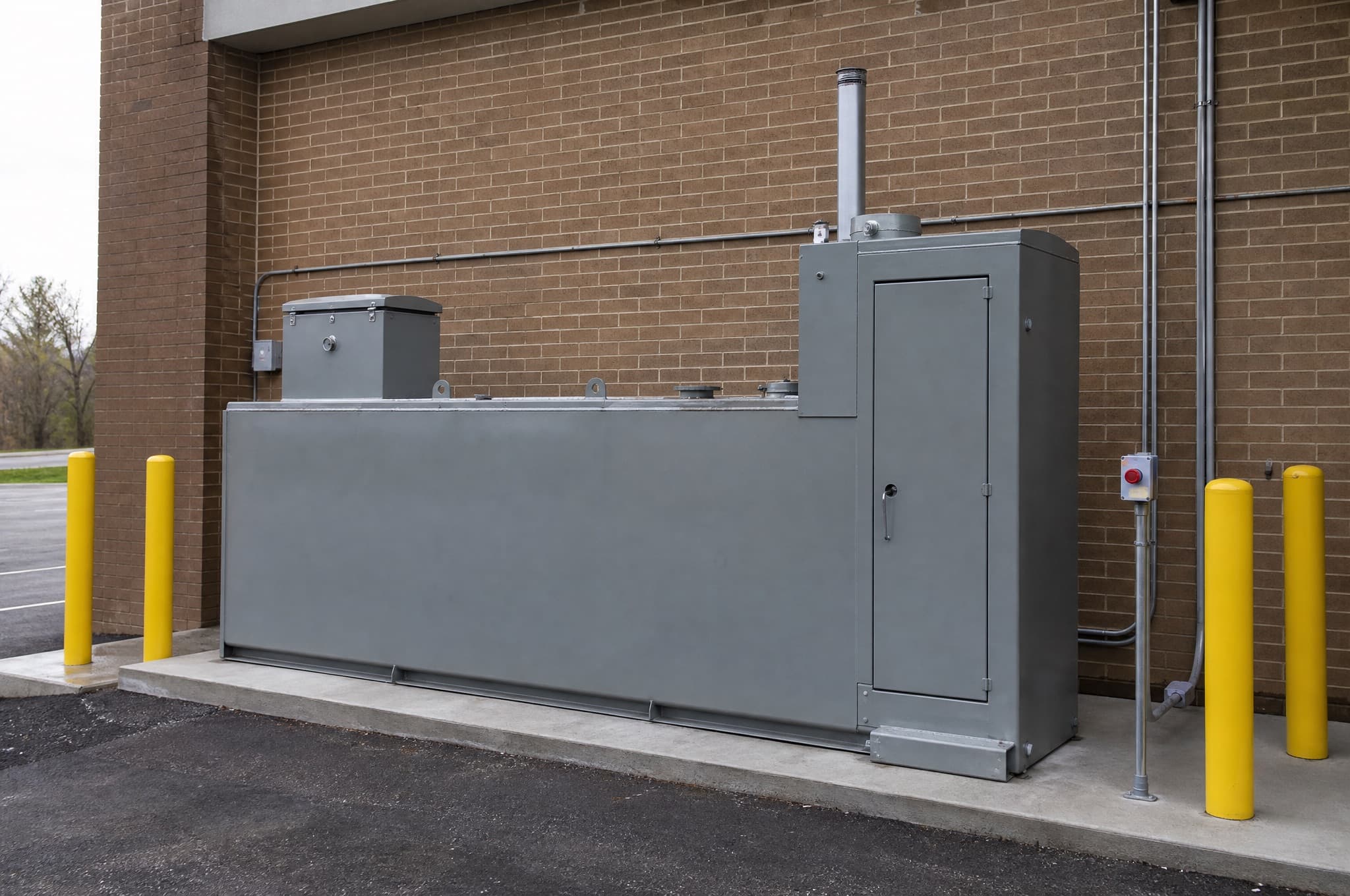
AST System Design
Aboveground storage tank systems for fuel, fuel oil, waste oil and generator diesel, sized and sited to fire code and AHJ requirements.
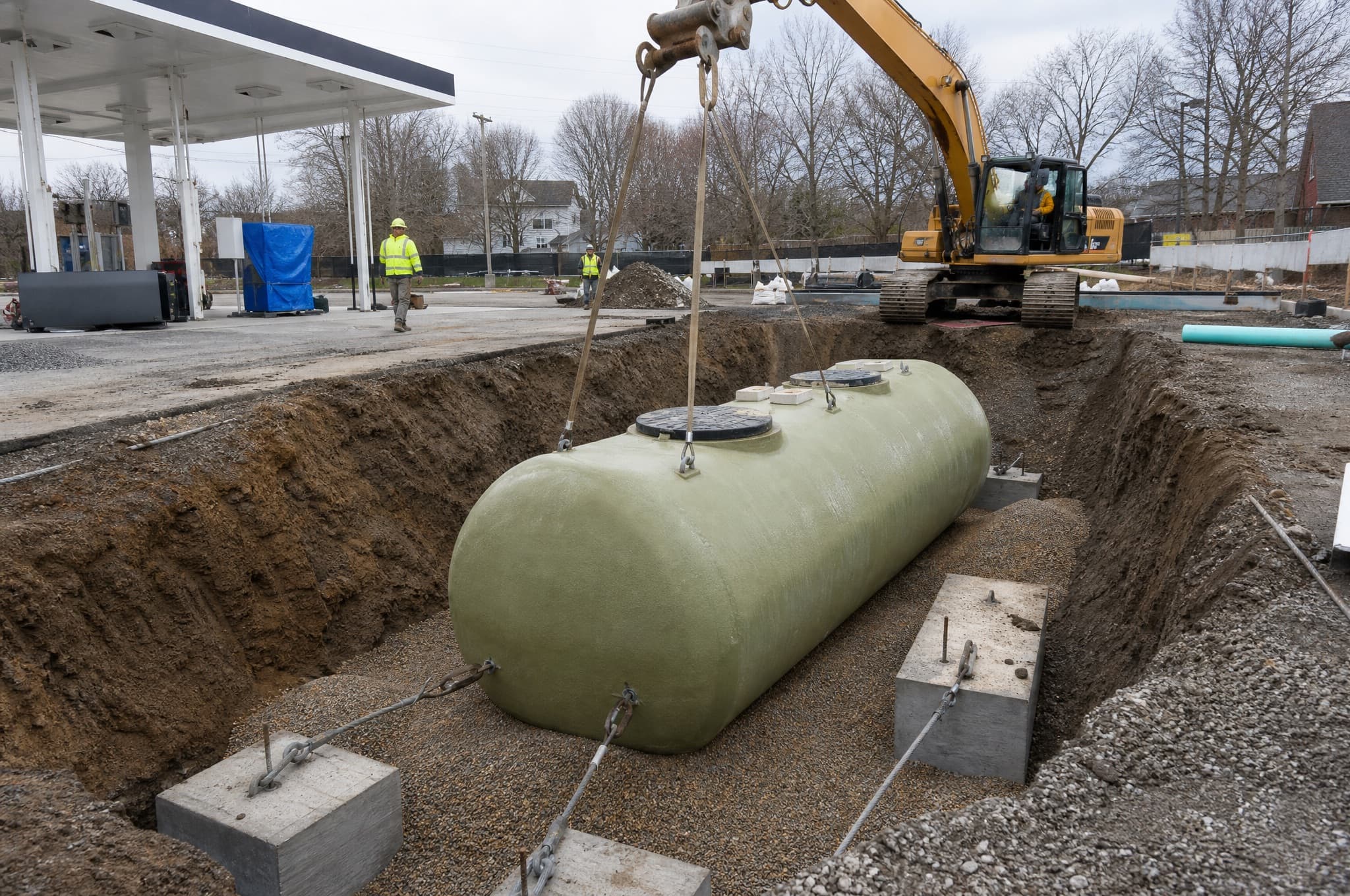
UST System Design
Underground storage tank systems: tank, piping, sumps, leak detection and dispensing, designed to the applicable federal, state and county rules.
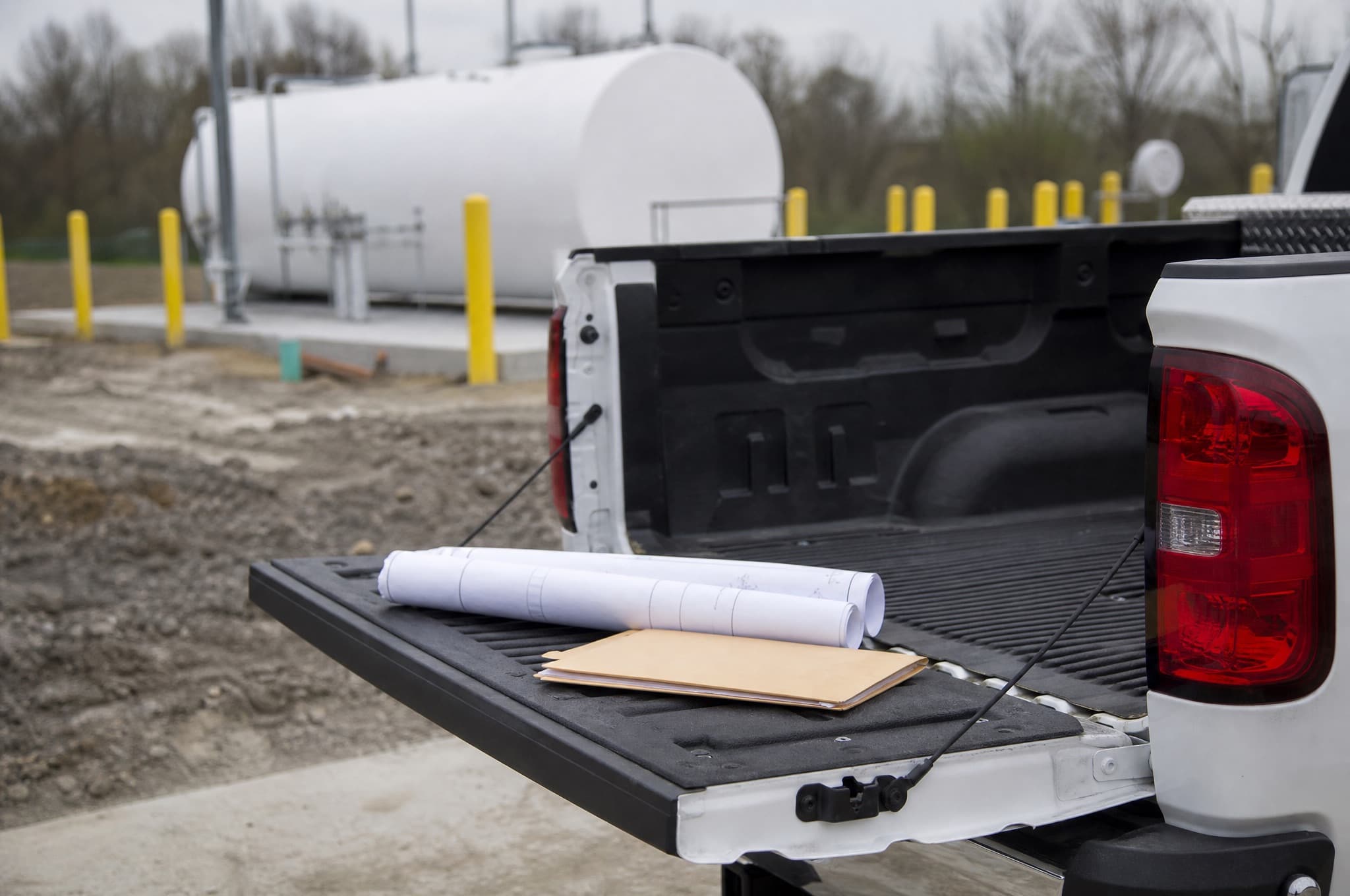
Fuel Tank Permitting
Permit due diligence and approvals from every authority having jurisdiction, handled as part of the design rather than an afterthought.
Compliance and Violation Resolution
Petroleum storage violations, unpermitted installations, failed tests and occupancy holds resolved with a defined corrective path.
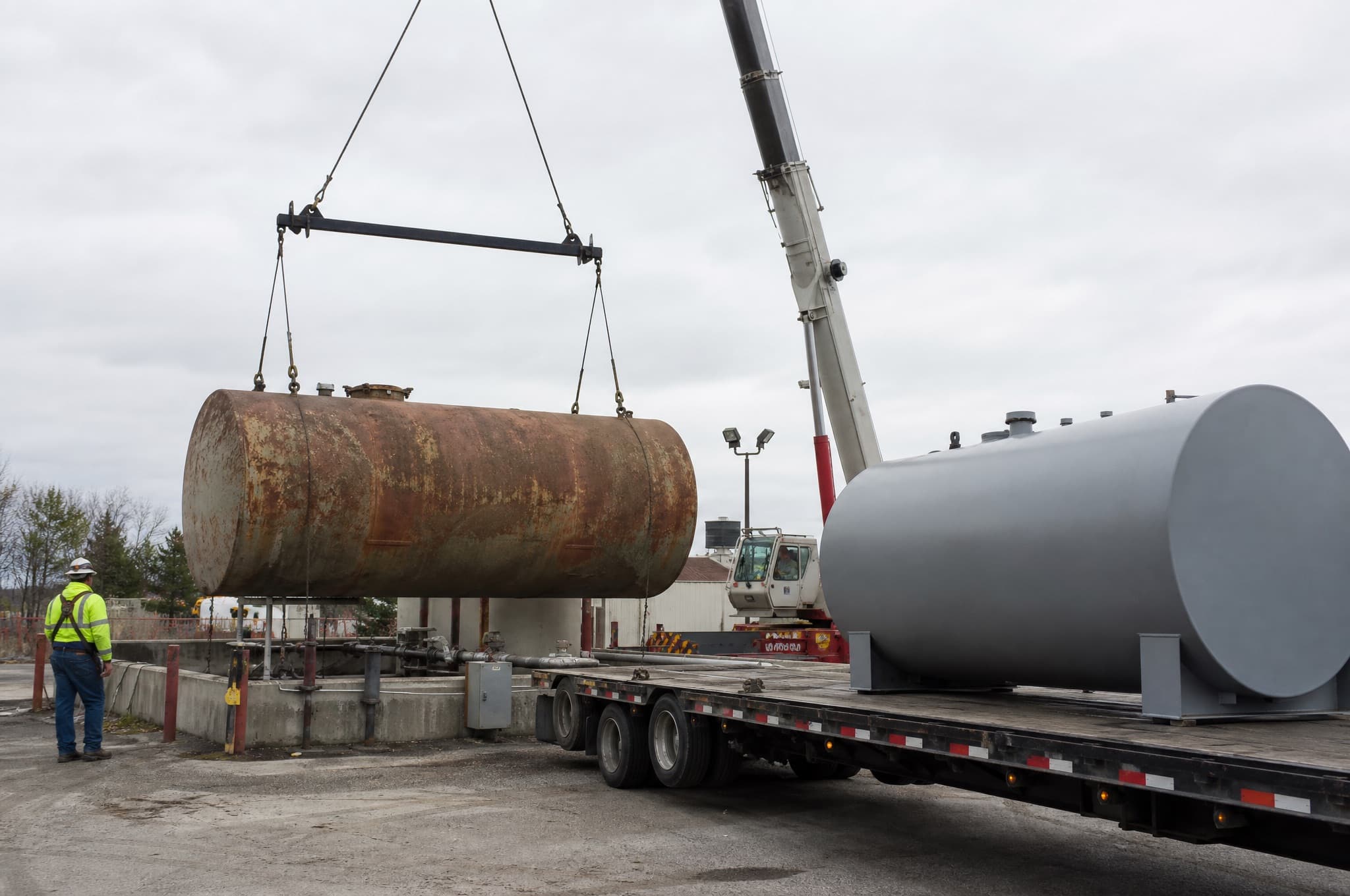
Fuel System Upgrades and Replacements
Aging tank replacement, capacity expansion, UST-to-AST conversion, sump replacement and overfill or containment corrections.
Start with your situation
 I need a tank permitA new AST or UST, a modification, or an approval the AHJ is asking for.
 I installed or modified a tank without a permitLegalizing an existing installation before it becomes a violation.
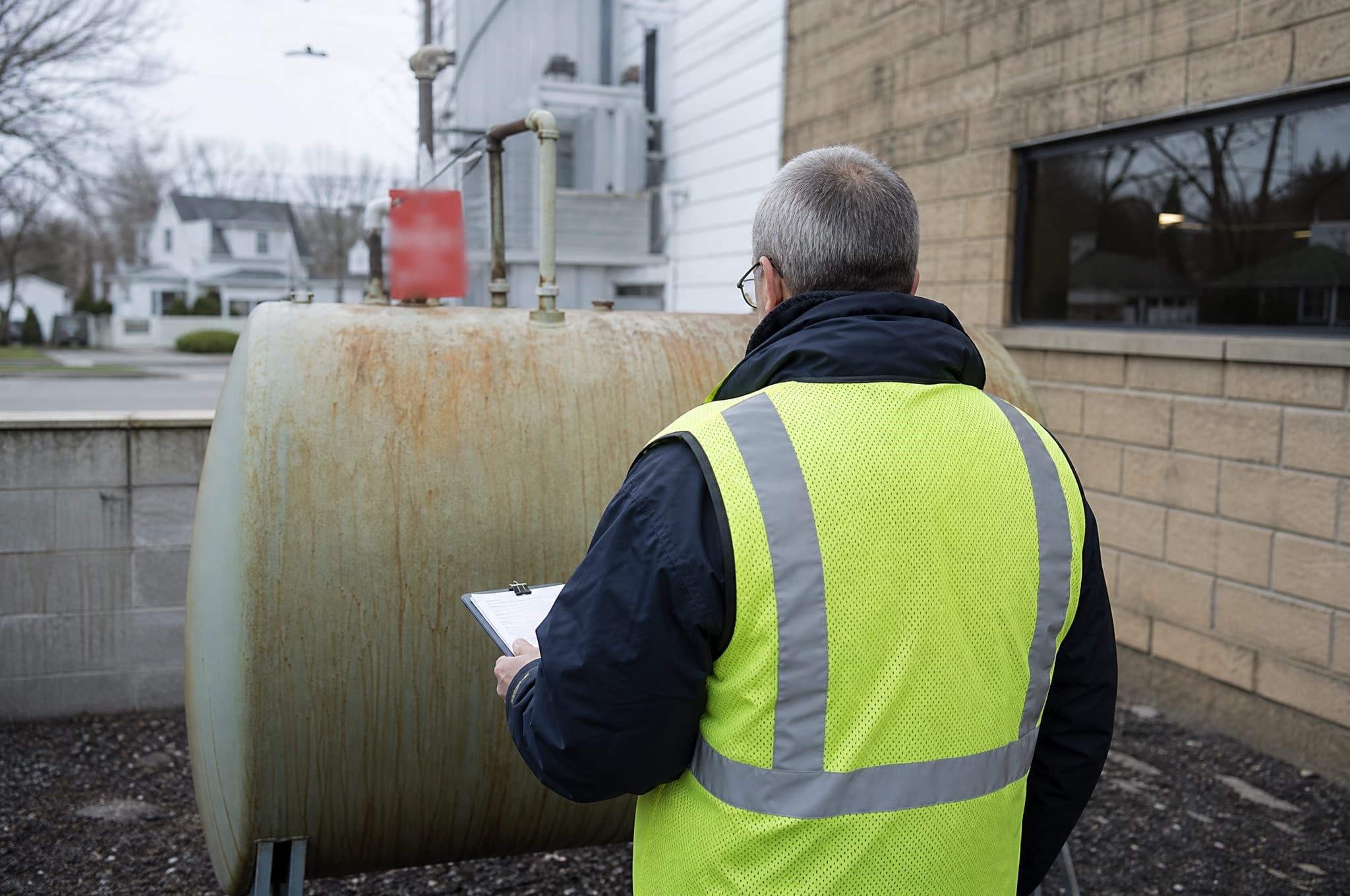 I received a tank violationA notice from the county health department, DEC, DEQ or fire marshal.
About emergency generator fuel systems.
Not answered here? Ask directly.
Talk to a Fuel-System SpecialistOur electrical contractor installed the generator with a belly tank. Do we need a separate tank permit?
In many jurisdictions, yes. Suffolk County requires Article 12 permits for generator tanks, Nassau and Westchester have their own programs, NYSDEC registration applies once the site crosses its thresholds, and the local fire marshal typically reviews the tank separately from the electrical permit. Virginia sites answer to DEQ and the local fire official. ZE checks what applies at your address and prepares the package.
How big should the generator tank be?
Start with the runtime requirement, whether from NFPA 110, a health care or resilience program, or the owner's own target. Multiply by engine consumption at the expected load, use usable volume rather than nominal capacity, and add margin for delivery logistics during an outage. Then check that the resulting tank fits the separation distances at the site. If it does not, the tank type or location changes, not the runtime.
Our generator UST used to be exempt from leak detection. Is that still true?
No. The 2015 federal UST revisions removed the release-detection deferral for USTs serving emergency generators, with compliance required by October 2018, and the states implement that through their own programs. An older generator UST without release detection is a compliance gap and often a good candidate for replacement with an aboveground protected tank.
Can the tank go inside the building or on the roof?
Sometimes, with limits. The fire code and NFPA 37 and NFPA 30 restrict indoor quantities, require listed tanks and specific enclosure construction, and rooftop tanks add structural and fire-department access review. What is allowed varies by AHJ, so it is confirmed in design rather than argued at inspection.
Do our generator tanks trigger an SPCC plan?
If the facility's aggregate aboveground oil storage in containers of 55 gallons or more exceeds 1,320 gallons and a discharge could reasonably reach navigable waters, 40 CFR 112 applies. Sites with several generators or a generator plus a boiler tank often cross that line without realizing it. ZE coordinates containment design with the SPCC plan so the two agree.
Send us the situation. We'll tell you the path.
Photos, a violation notice, an inspection report, or just a description of the site. Matt reviews every inquiry personally and comes back with a clear next step.