
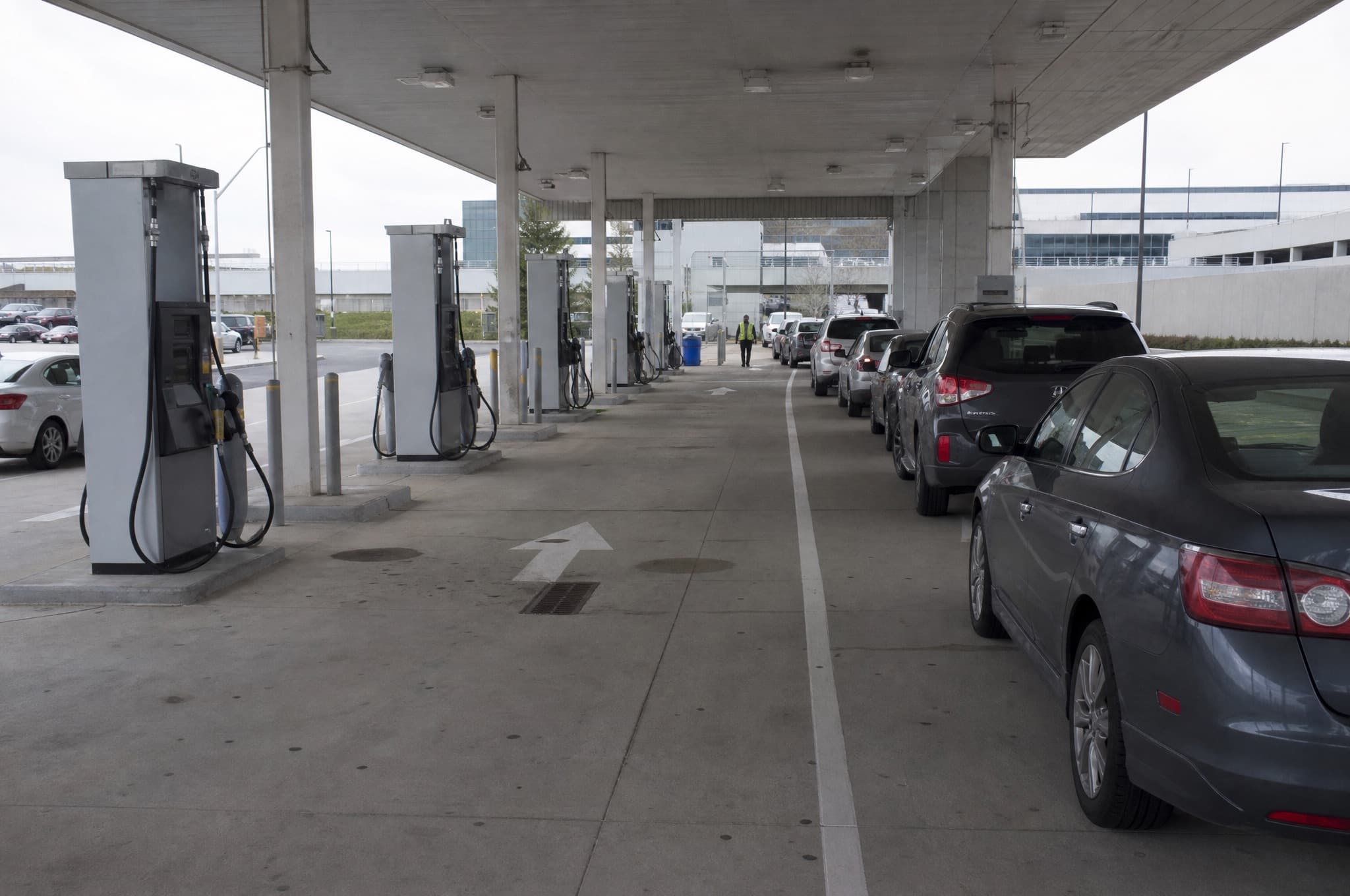
Return-lane fueling built for throughput and turnaround
Rental operations refuel hundreds of vehicles a day through a handful of nozzles. When a lane goes down, cars sit. ZE designs the system to keep lanes moving and the permit file clean.
Rental car fueling is a fleet system with a retail-scale throughput problem. Return lanes and quick-turnaround areas refuel vehicles in bursts, every car has to be full before it goes back to the ready line, and the whole operation is measured in minutes per turn. Operations and facility managers at airport and off-airport locations run these systems with a small number of fueling positions, mostly gasoline, some diesel, and a fuel-management system that should tie every transaction to a unit number.
What goes wrong is usually one of three things. The facility was built for a smaller fleet and now the dispensers are slow at peak because the piping, submersible pumps or manifolds were never sized for simultaneous use. The system is aging: sumps fail, under-dispenser containment cracks, the ATG is out of support, and a county or state inspection turns into a notice. Or the operation is moving, whether to a new lot, a consolidated rental facility or a renegotiated lease, and the landlord or airport authority wants documentation on a system that was modified by a previous operator without permits.
Throughput drives the design: number of positions, flow per nozzle with several nozzles running, pump and piping sizing, tank capacity against delivery frequency, high-flow dispensers and the fuel-management interface. Those choices made in design produce a system that keeps up rather than one that technically works. Downtime is expensive at a return lane, so phasing is drawn rather than improvised, and permits from the county, state, building and fire officials are secured before the contractor is on site.
Typical projects
- New return-lane and quick-turnaround-area fueling systems at airport and off-airport locations
- Replacement of aging USTs and product piping under an operating return lane, phased to keep lanes open
- Dispenser, submersible pump and piping upgrades to restore flow at high-demand positions
- Fuel-management system upgrades tied to unit numbers and mileage
- Replacement of failed sumps and under-dispenser containment
- Relocation or expansion when an operation moves to a new lot or consolidated facility
- Resolution of violations and legalization of undocumented modifications found at lease turnover
- Storage-capacity changes when fleet size or fuel mix changes
What has to be settled in design for rental car fueling facilities.
Authorities that typically have jurisdiction
- NYSDEC (Part 613 Petroleum Bulk Storage)
- SCDHS, NCDH or WCDOH on Long Island and in Westchester
- NYC DOB and FDNY, with the Port Authority at the New York City airports
- Local building department and fire marshal
- VA DEQ (9VAC25-580 and 9VAC25-91) and the local fire official
- Airport authority or landlord as an additional reviewing party
- Outside these jurisdictions, the state, county and local authorities having jurisdiction at the project site
Jurisdiction varies by site, tank size and product. ZE confirms the applicable authorities during permit due diligence.
Design for simultaneous use, not average use
A return lane fuels in waves. The number of positions, the flow rate each nozzle should hold while the others are running, submersible pump capacity, piping diameter and how the positions are manifolded all follow from the peak, not the daily average. Tank capacity is then set against delivery frequency so a busy weekend does not run a tank dry.
Several AHJs plus a landlord
The county health department, state agency, building department and fire marshal have jurisdiction the same as anywhere else. On airport property, the airport authority or a consolidated facility operator typically adds its own design standards, lease requirements and review, and at the New York City airports that includes the Port Authority. None of that replaces the permits. It sits on top of them, and the sequence matters.
Vehicle circulation and dispenser protection
Lane geometry, bollards, canopy clearance, emergency stops and separation from buildings and property lines come from NFPA 30A as adopted through the state fire code, applied to a site where cars are moving constantly and drivers are employees rather than customers. Whether the AHJ treats the facility as attended or unattended dispensing affects controls and signage.
Keeping lanes open during construction
Tank-by-tank replacement, temporary fueling, off-hours work and a defined shutdown window are design decisions that the contractor prices. Leaving phasing to the field is how a two-week impact becomes a six-week one.
Vapor recovery and air rules
Gasoline dispensing carries Stage I vapor recovery requirements, and state air rules for Stage II have changed over time. The current requirement for the site should be confirmed during design so the dispenser and piping specification matches it.
A clean file at lease turnover
Registration, permits, test certificates and as-built drawings are what a landlord, airport authority or successor operator asks for. A system that has all of it is easier to renew, transfer or exit. A system that does not becomes a negotiation.
Where ZE fits on a rental car fueling facilities project.
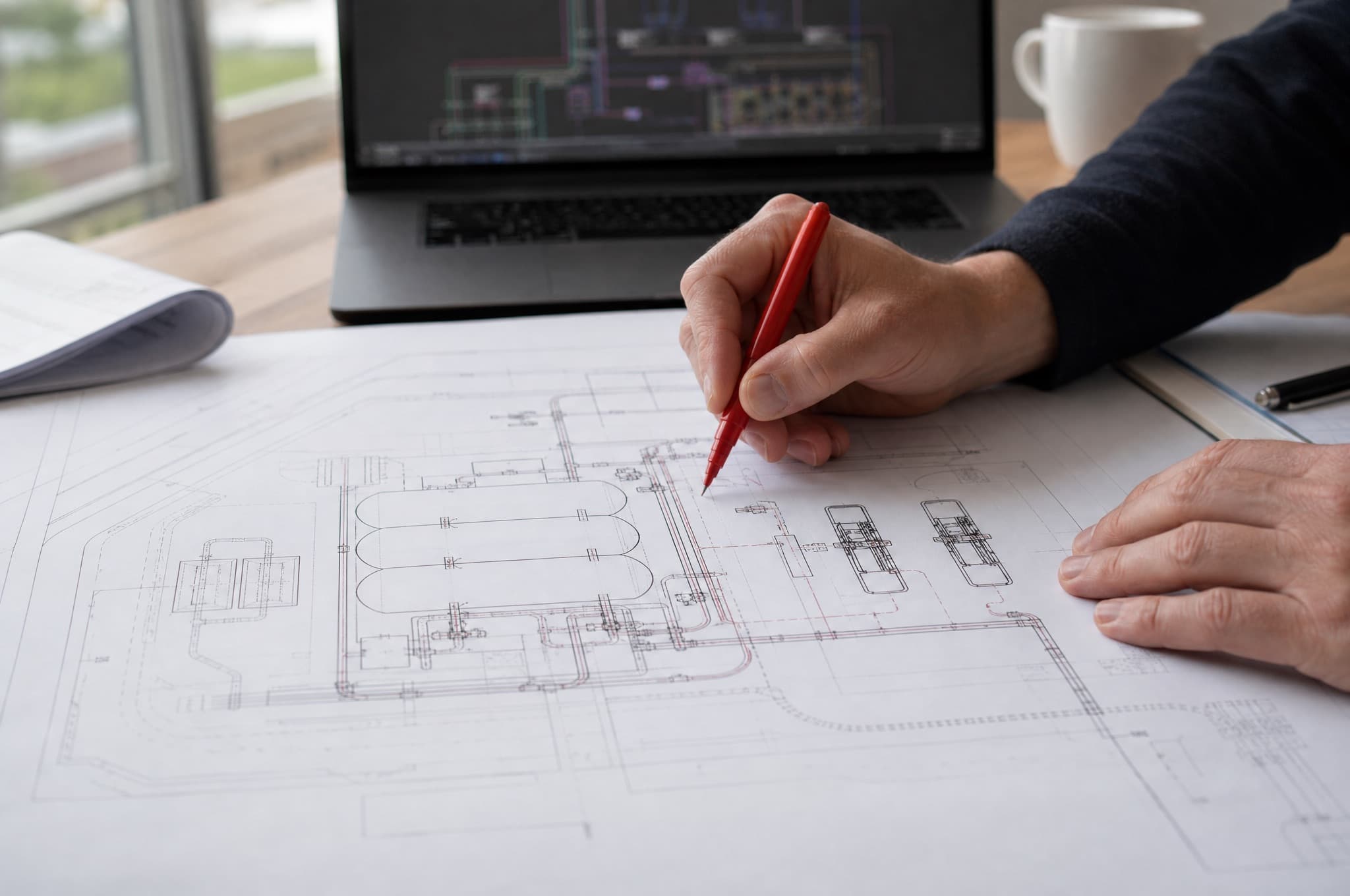
Fuel System Design
Complete, constructible fuel-system designs with equipment, configuration, codes and AHJ requirements vetted before the contractor prices the job.
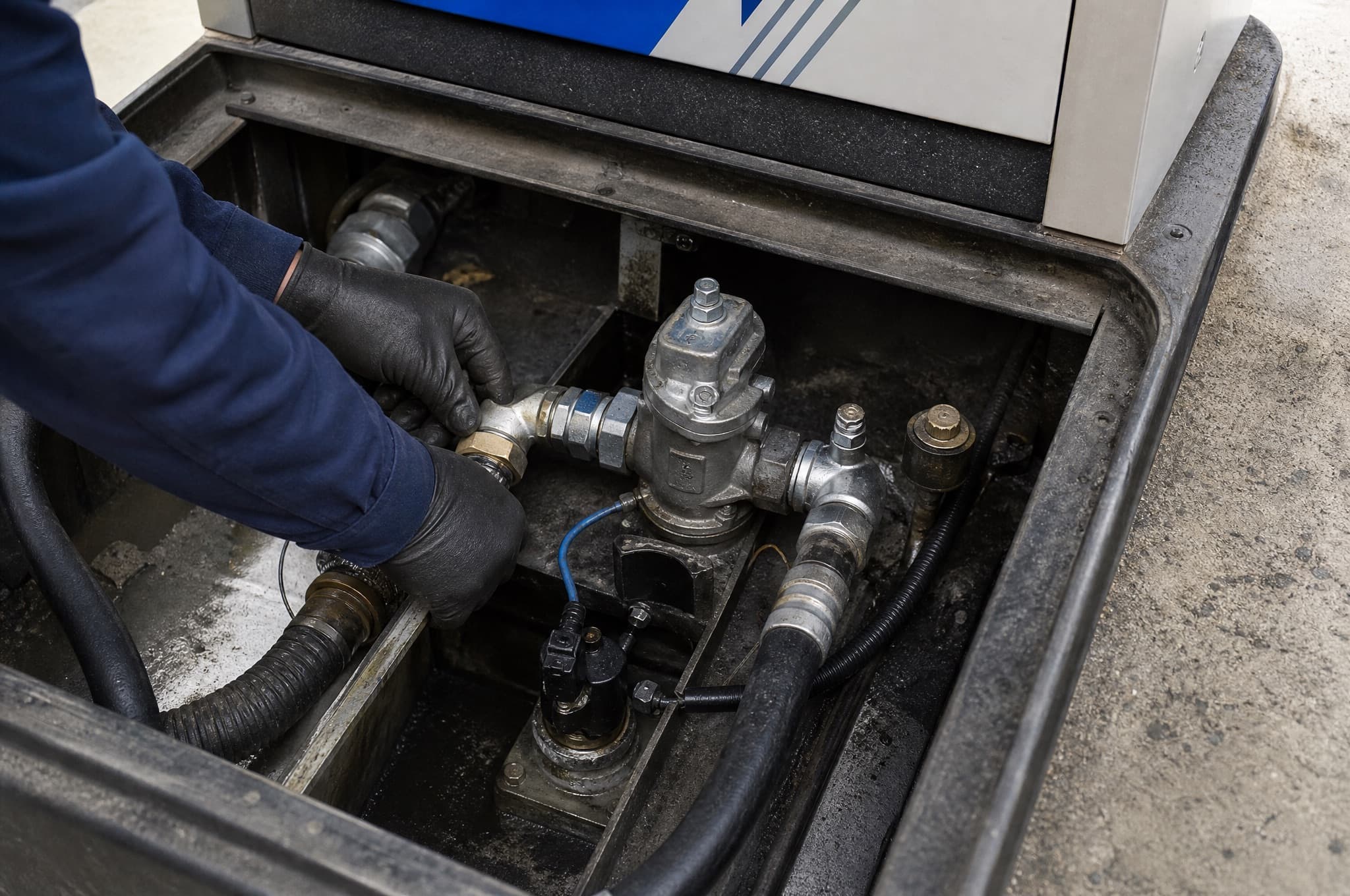
Fuel Piping and Dispensing Systems
Product piping, dispensers, sumps, vapor recovery and fuel-management interfaces designed as one coordinated system.
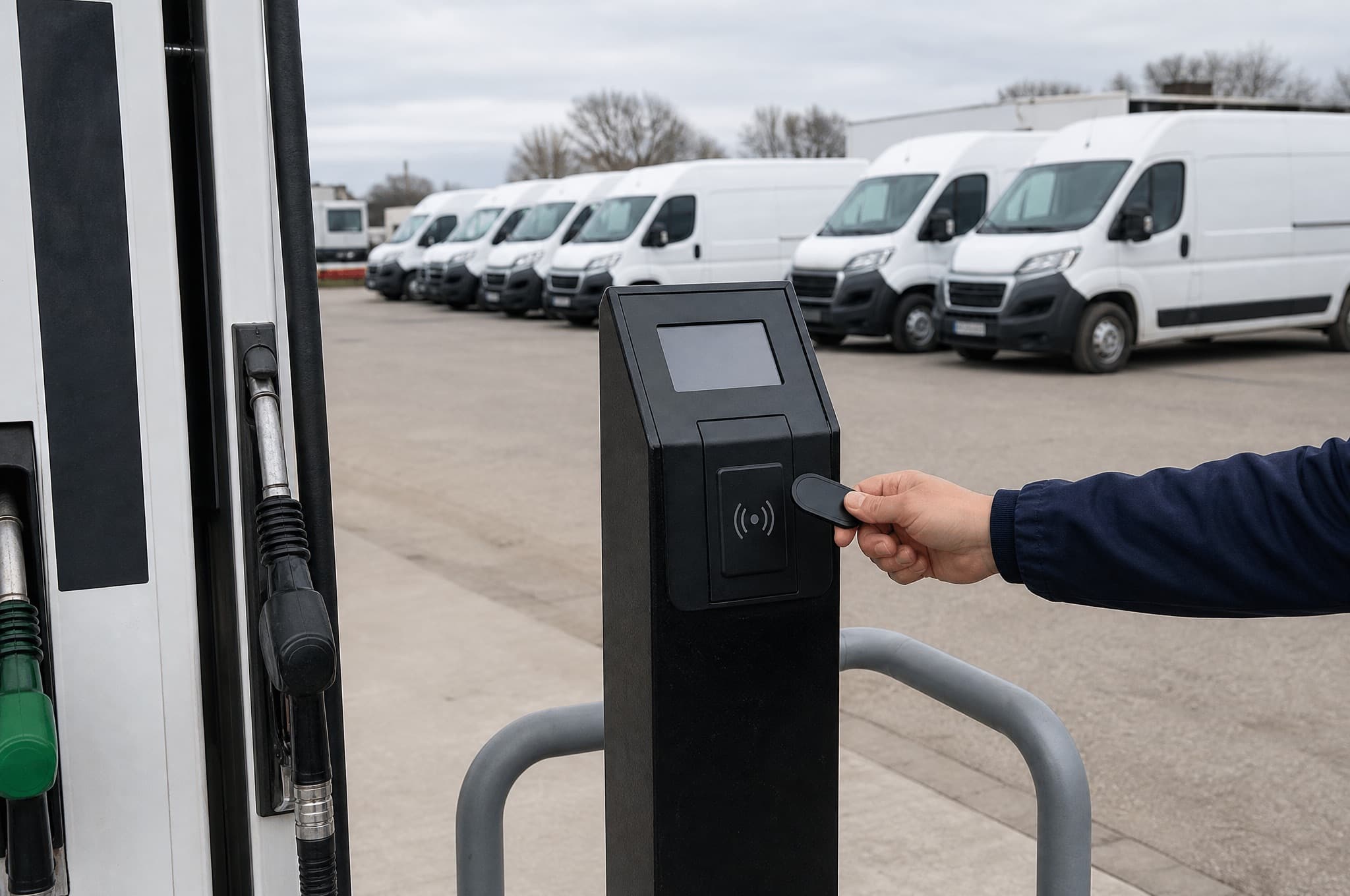
Fuel Management Systems
Fuel-control, tank-gauging and monitoring system selection and integration for fleet, municipal and commercial fueling.
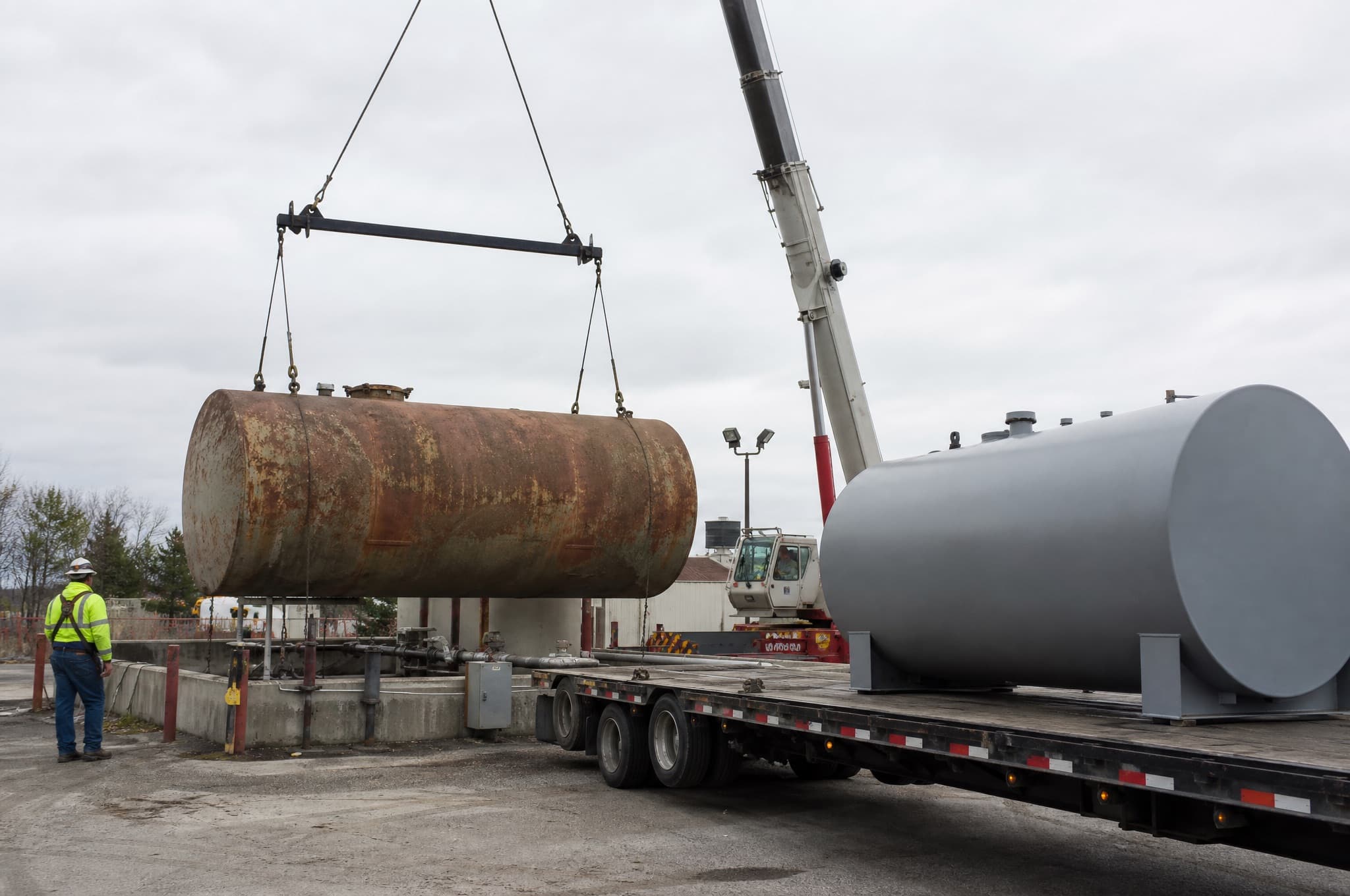
Fuel System Upgrades and Replacements
Aging tank replacement, capacity expansion, UST-to-AST conversion, sump replacement and overfill or containment corrections.
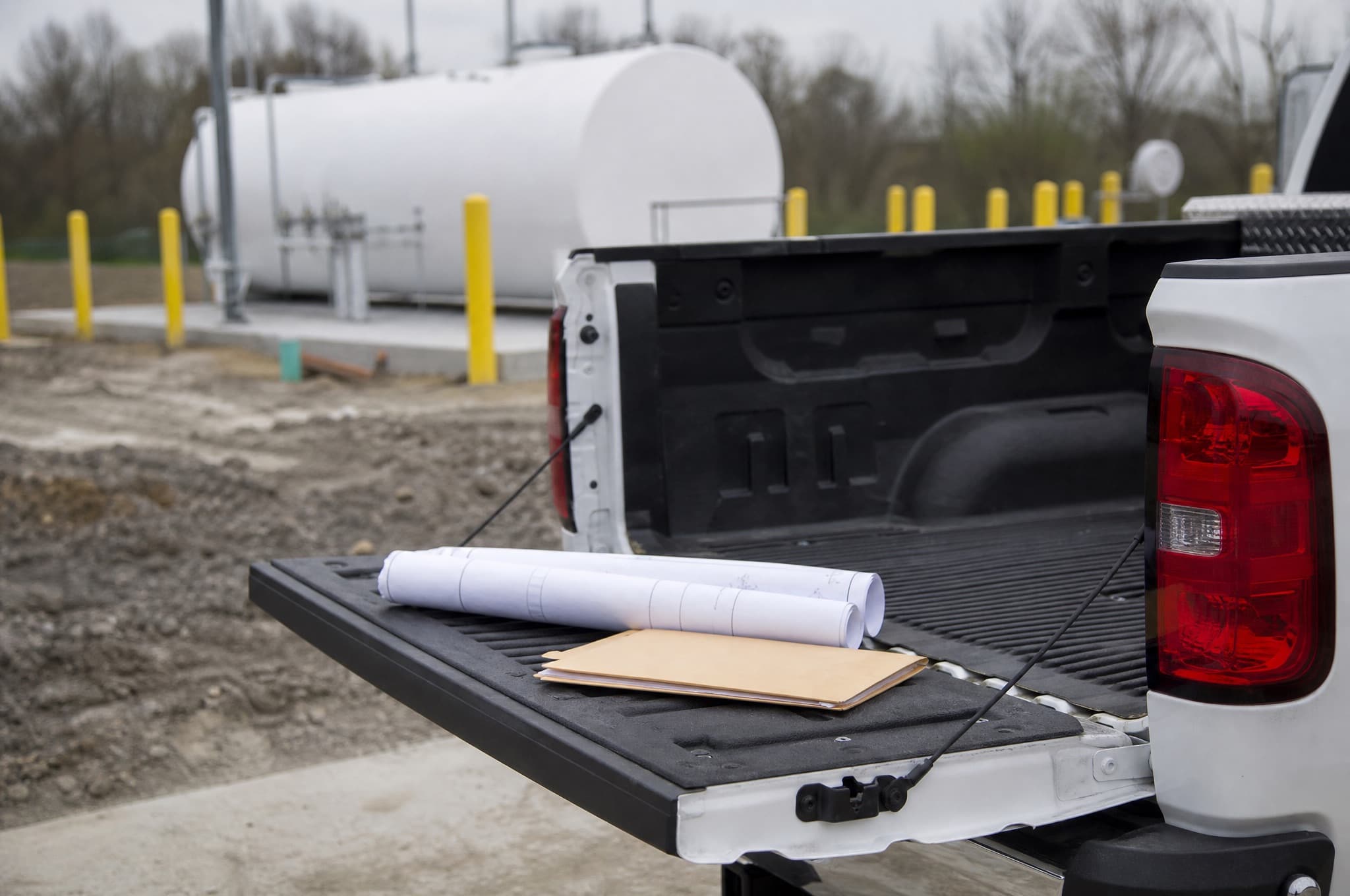
Fuel Tank Permitting
Permit due diligence and approvals from every authority having jurisdiction, handled as part of the design rather than an afterthought.
Start with your situation
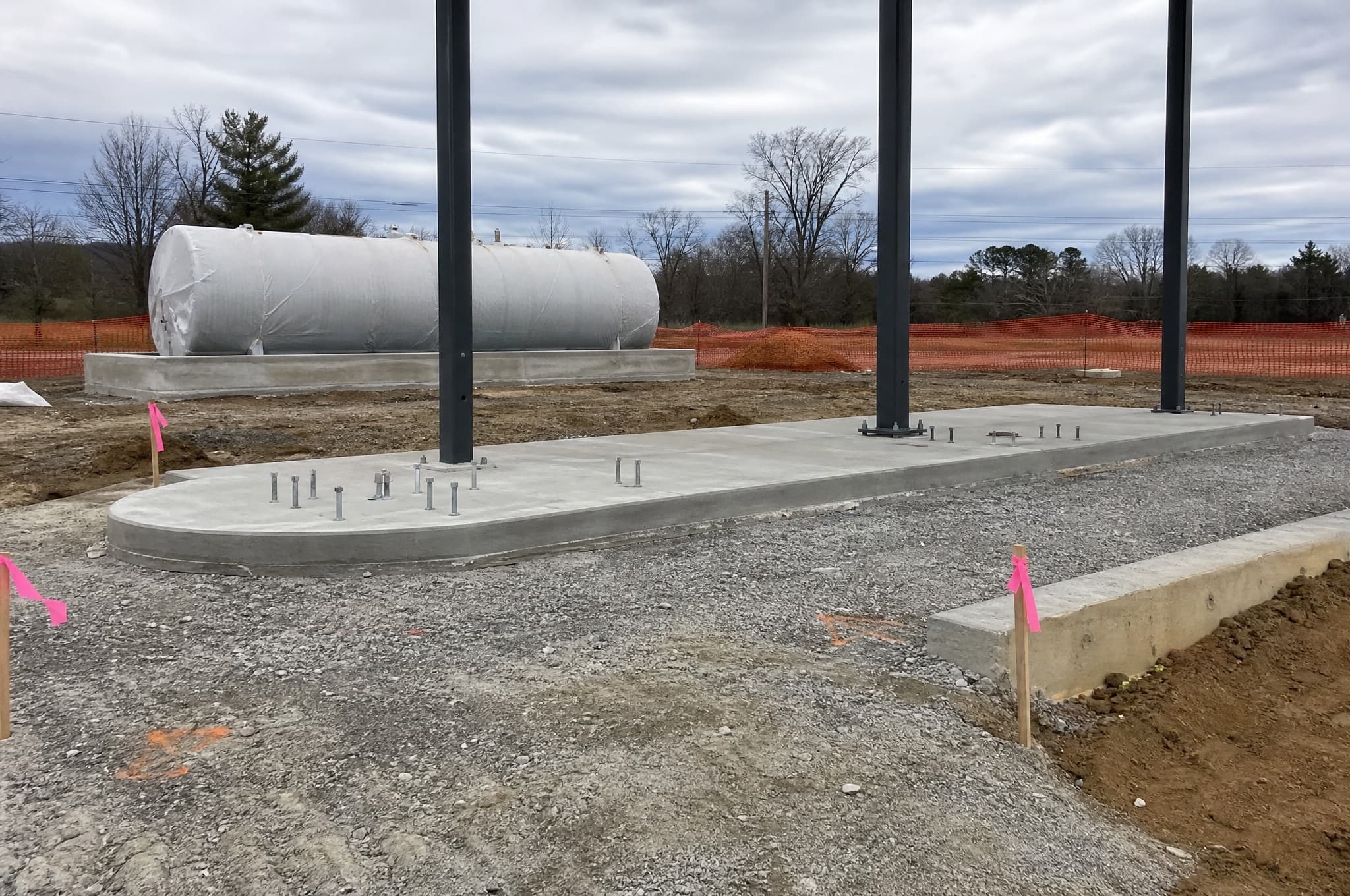 I'm planning a new fueling systemFleet, retail, generator, marina or aviation fueling from a blank page.
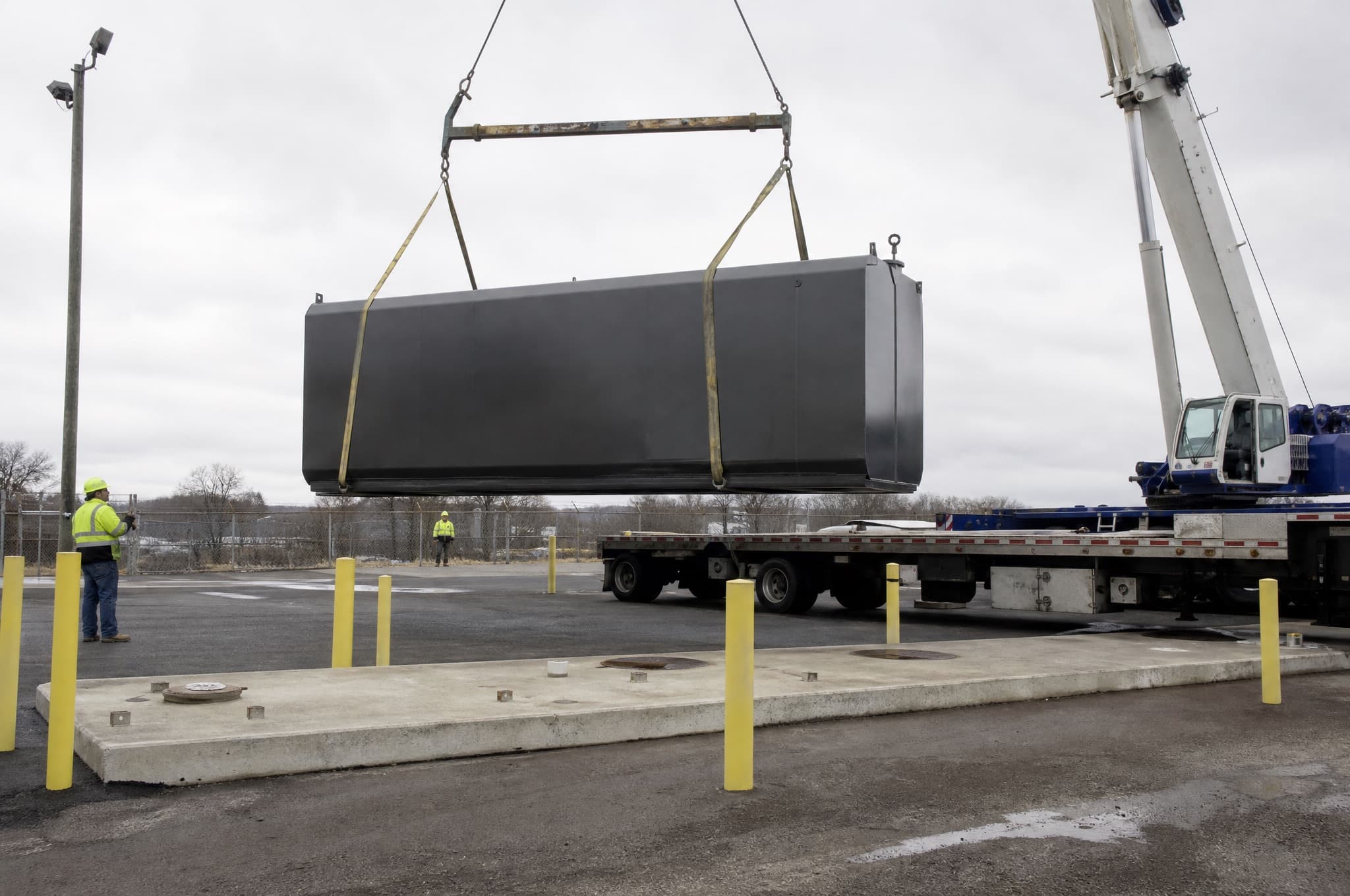 I'm moving or expanding my facilityRelocating ASTs, adding storage, or fueling at a new site.
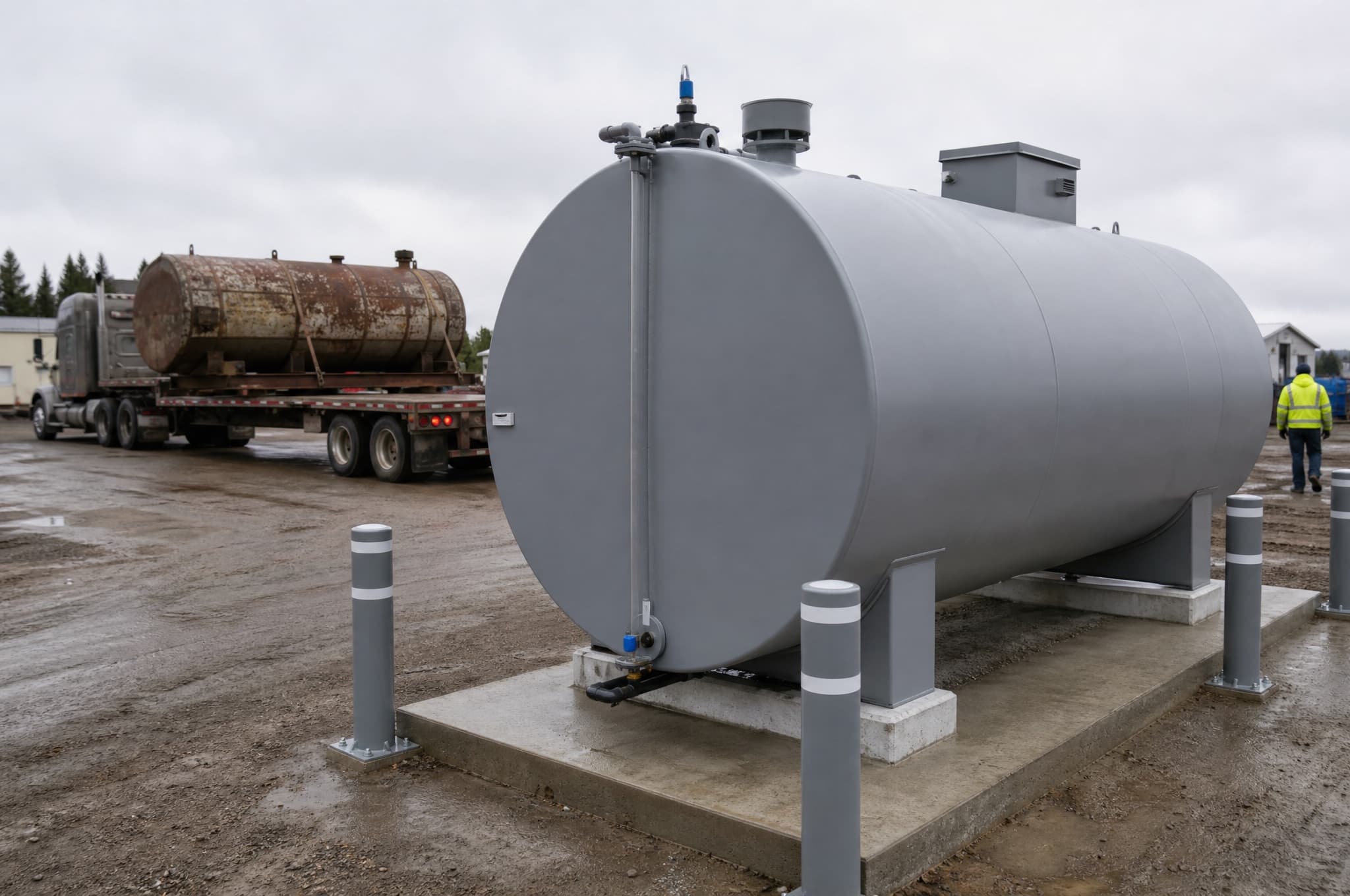 I need to replace or upgrade a tankAging tanks, failed sumps, more capacity, or a UST-to-AST conversion.
About rental car fueling facilities.
Not answered here? Ask directly.
Talk to a Fuel-System SpecialistOur dispensers are slow at peak. Is it the dispensers?
Often not. Slow flow with several nozzles running usually traces to submersible pump capacity, piping size, manifolding, clogged filters or a leak-detector restriction. A design review of the existing system finds the constraint before money goes into new dispensers that would be just as slow.
We are moving to a new lot. Can we take our tanks with us?
Aboveground tanks sometimes can, subject to inspection and the listing label being intact, and they still need new permits at the new site. Underground tanks do not move; they are closed at the old site and replaced at the new one. Either way the new location starts with a fresh design and permit package.
Who permits a fueling system on airport property?
The same county, state, building and fire officials that permit fueling anywhere else. The airport authority and, at the New York City airports, the Port Authority add their own review and standards. ZE coordinates the sequence so the airport's review and the AHJ permits do not stall each other.
Can our staff fuel with card readers and no attendant?
NFPA 30A includes provisions for fleet fueling and unattended dispensing, and many AHJs accept it with the right controls: authorized users only, emergency stops, signage, extinguishers and monitoring. Acceptance and conditions vary by jurisdiction, so it is confirmed in design.
Send us the situation. We'll tell you the path.
Photos, a violation notice, an inspection report, or just a description of the site. Matt reviews every inquiry personally and comes back with a clear next step.