
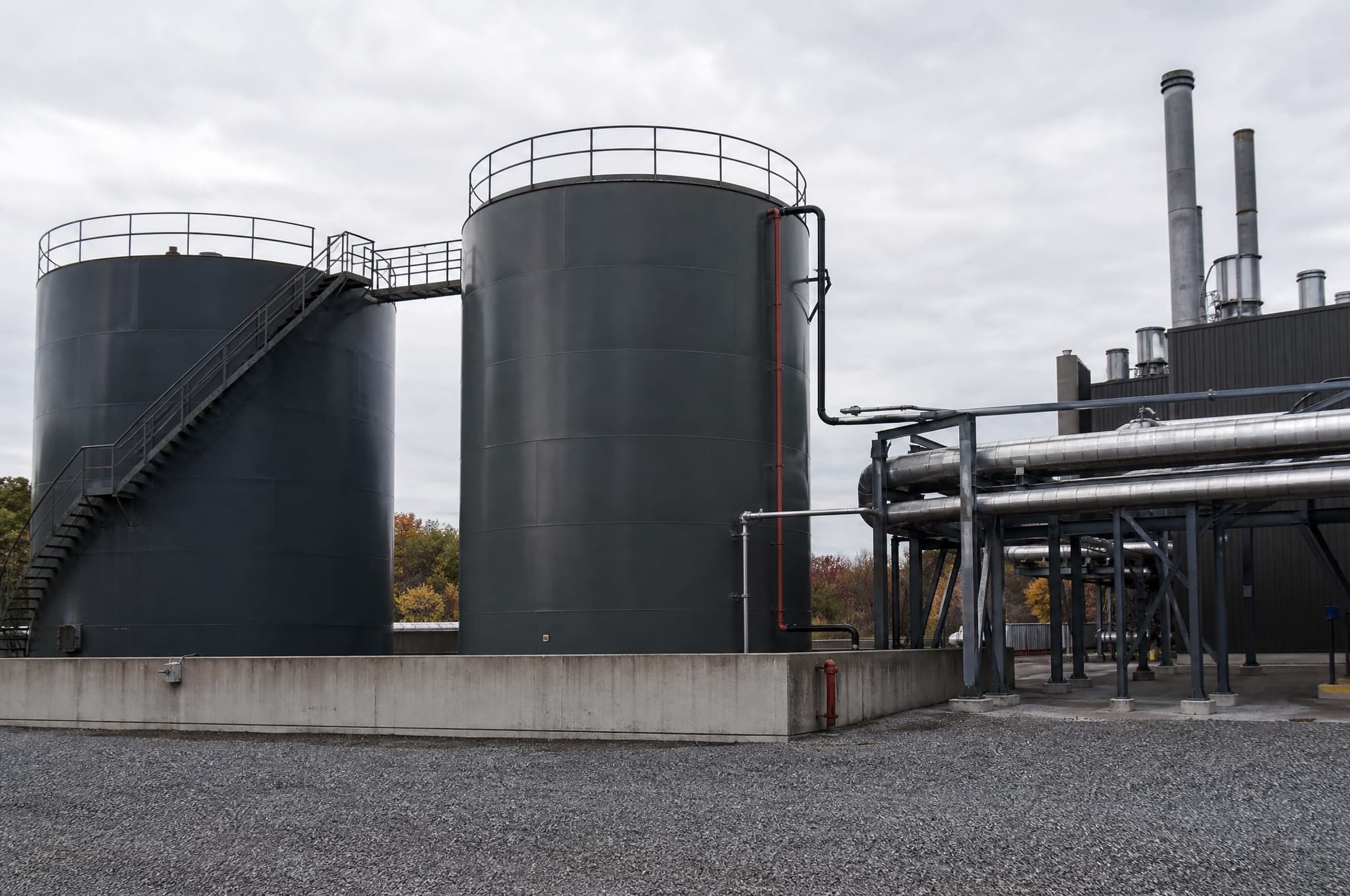
Commercial and industrial fuel storage designed to a defined scope
Heating oil, process fuel, backup diesel and bulk lubricants at commercial and industrial facilities. ZE designs, permits and corrects the tanks the plant, the property and the inspector depend on.
Property managers, plant managers, EHS managers, school and hospital facilities directors, campus operations and multifamily owners all carry petroleum storage that was never the point of the building. A #2 fuel-oil UST under the boiler room from the sixties. A diesel tank for the fire pump. Process oil and bulk lubricants at a manufacturer. Several small tanks across a campus that add up to a regulated facility nobody has registered as one.
The triggers are familiar. The heating-oil UST fails a test or reaches an age the insurer will not carry. A NYSDEC PBS renewal, or a county health inspection, turns up tanks that were never registered or a tank installed by the mechanical contractor during a boiler replacement with no petroleum permit at all. An SPCC plan is missing or was written for a smaller facility. The plant is relocating and wants to bring its aboveground tanks. The building converted to natural gas and left an oil tank in the ground. A buyer's due diligence finds all of the above at once.
Commercial and industrial sites have several tanks, several stakeholders and a mechanical contractor who needs a defined scope. Design first means the UST-to-AST decision is made against fire code separations, containment and SPCC rather than against whatever the contractor has on the truck; capacity is sized to the boiler plant or the process; tanks that are no longer needed are closed properly; and the whole facility is registered once, correctly, with a file that survives the next inspection and the next sale.
Typical projects
- Conversion from underground #2 fuel-oil storage to aboveground tanks at boiler plants
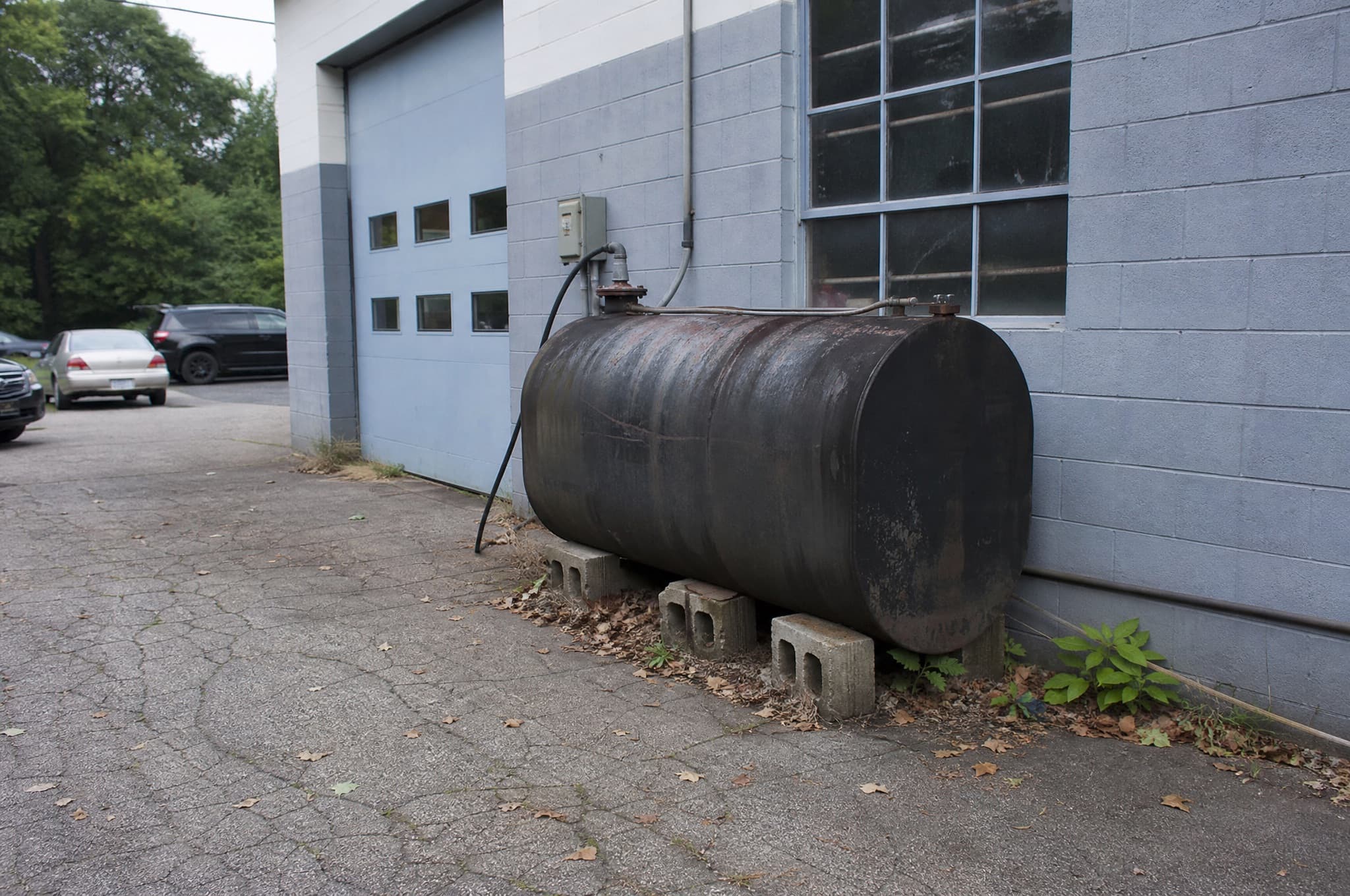
- Replacement of aging heating-oil, diesel and process fuel tanks
- Storage-capacity expansion and consolidation across multi-tank facilities
- Relocation of existing ASTs to a new plant or campus building
- Legalization of tanks installed during mechanical or boiler work without a petroleum permit
- Violation resolution after NYSDEC, county health or VA DEQ inspections
- Overfill-protection and secondary-containment corrections coordinated with the SPCC plan
- Closure of USTs abandoned after a conversion to natural gas
What has to be settled in design for commercial and industrial fuel systems.
Authorities that typically have jurisdiction
- NYSDEC (Part 613 Petroleum Bulk Storage)
- SCDHS Article 12, the NCDH storage ordinance or WCDOH Article XXV
- NYC DOB and FDNY inside the five boroughs
- Local building department and fire marshal
- VA DEQ (9VAC25-91 and 9VAC25-580) and the local fire official
- U.S. EPA for SPCC under 40 CFR 112
- Outside these jurisdictions, the state, county and local authorities having jurisdiction at the project site
Jurisdiction varies by site, tank size and product. ZE confirms the applicable authorities during permit due diligence.
UST to AST conversion
Federal UST rules under 40 CFR 280 exempt heating-oil tanks used for consumptive use on the premises, but NYSDEC Part 613 and the county programs in New York regulate them, and Virginia has its own treatment. Moving fuel oil aboveground brings fire code separation distances, UL 142 or UL 2085 tank selection, secondary containment, fill and vent details, pump sets and day tanks at the boiler, and NFPA 31 for the oil-burning equipment. It also usually ends federal and state UST obligations for that tank once the old one is properly closed.
Aggregate counts, and small tanks add up
NYSDEC Part 613 registration typically applies once aggregate storage reaches 1,100 gallons or any UST holds 110 gallons or more. SPCC under 40 CFR 112 counts aboveground containers of 55 gallons or more toward 1,320 gallons. Virginia's 9VAC25-91 applies to ASTs at regulated facilities, with registration, pollution prevention and contingency plan requirements varying based on the capacity of the individual tank and the facility's aggregate storage capacity. A campus with a boiler tank, a generator tank, a fire-pump tank and a drum room is usually a regulated facility on all three counts.
SPCC and containment as one design
Secondary containment is commonly sized for the largest tank with an allowance for precipitation, and transfer and loading areas need their own provisions. Qualified facilities under 40 CFR 112 can self-certify their plan in both Tier I and Tier II; a facility that does not meet the qualified-facility criteria needs a plan certified by a Professional Engineer, which ZE coordinates. The containment on the drawings and the containment in the plan should be the same containment.
Tanks inside buildings
Indoor fuel-oil and diesel tanks are limited by the fire code and NFPA 30 and NFPA 31 in quantity per control area and in construction, with requirements for listed tanks, vents to the outdoors and, depending on quantity, rated enclosures. Diesel fire-pump tanks carry their own fuel-supply requirements under NFPA 20. What an AHJ allows indoors varies, and it is one of the first questions settled in design.
Keeping the plant running during replacement
A boiler plant does not shut down for a tank change in January. Phasing, temporary storage where the AHJ permits it, and the sequence between the mechanical contractor and the tank contractor need to be drawn so the schedule is real and the fire marshal has seen the temporary arrangement.
Closure and the property record
Abandoned USTs, whether from a gas conversion or a demolished building, need permanent closure in place or removal under the state rules, with advance notice to the agency, closure documentation and deregistration. A clean closure record is what a lender's Phase I asks for. An unclosed tank is a finding.
Where ZE fits on a commercial and industrial fuel systems project.
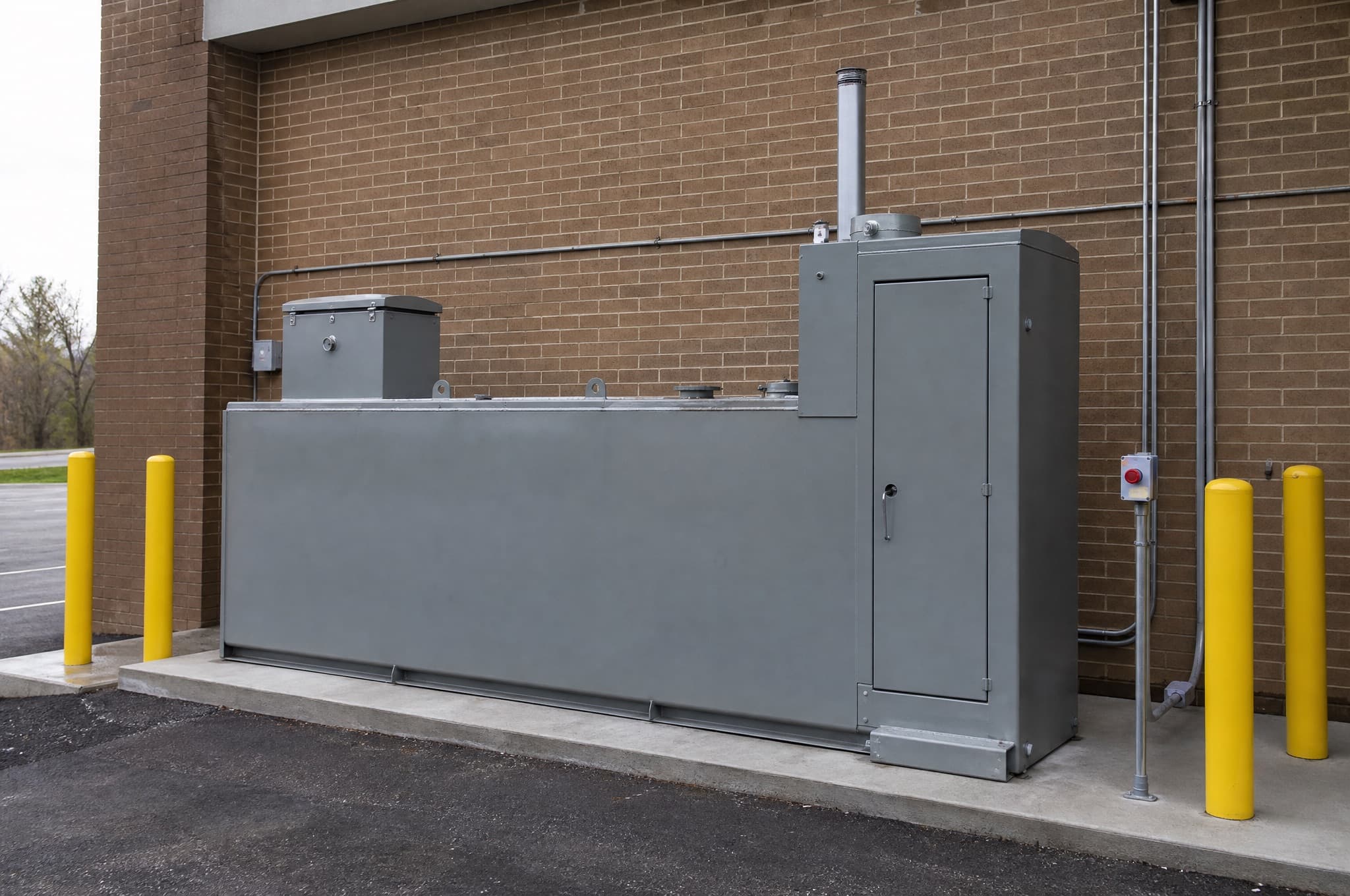
AST System Design
Aboveground storage tank systems for fuel, fuel oil, waste oil and generator diesel, sized and sited to fire code and AHJ requirements.
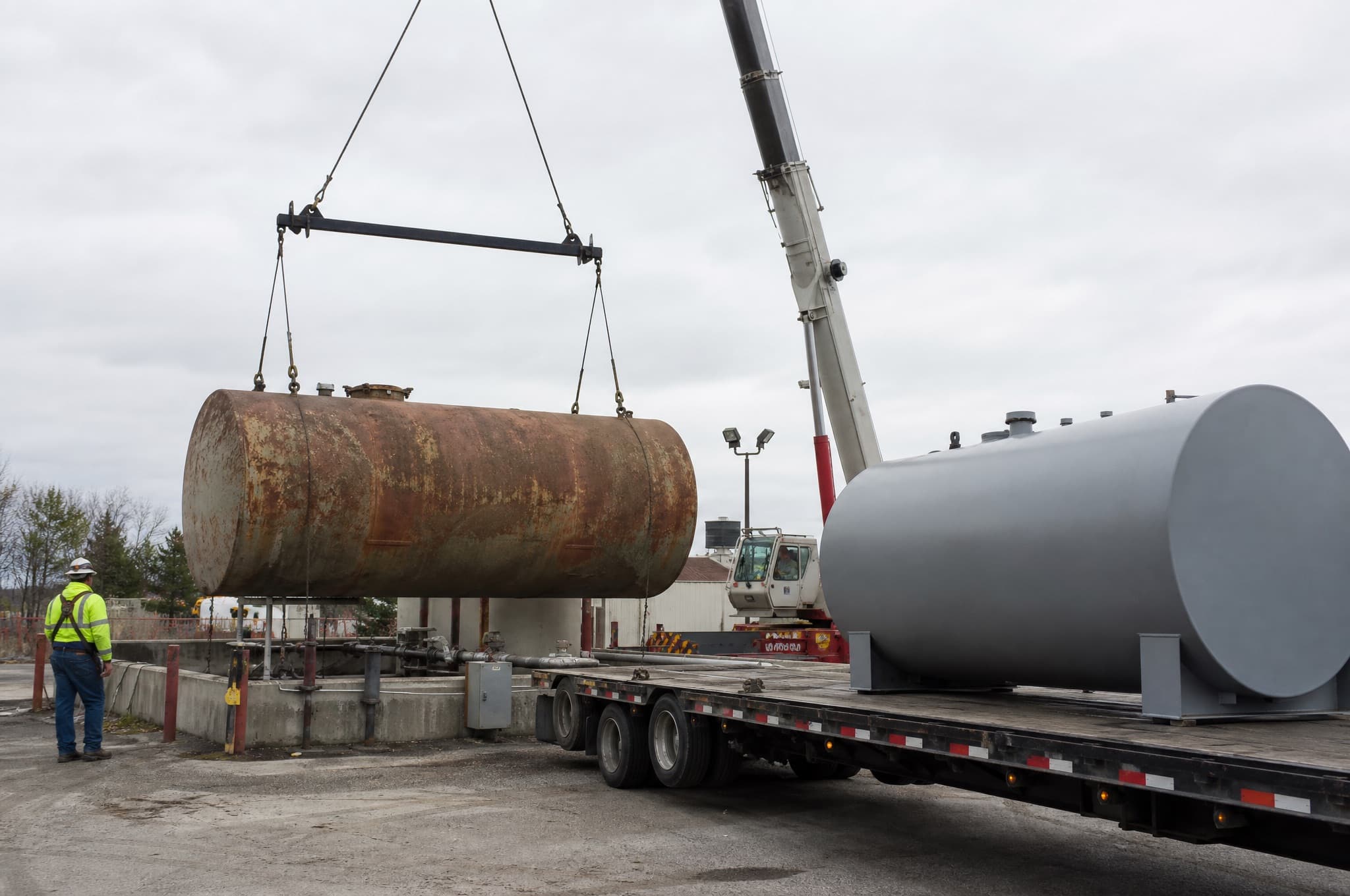
Fuel System Upgrades and Replacements
Aging tank replacement, capacity expansion, UST-to-AST conversion, sump replacement and overfill or containment corrections.
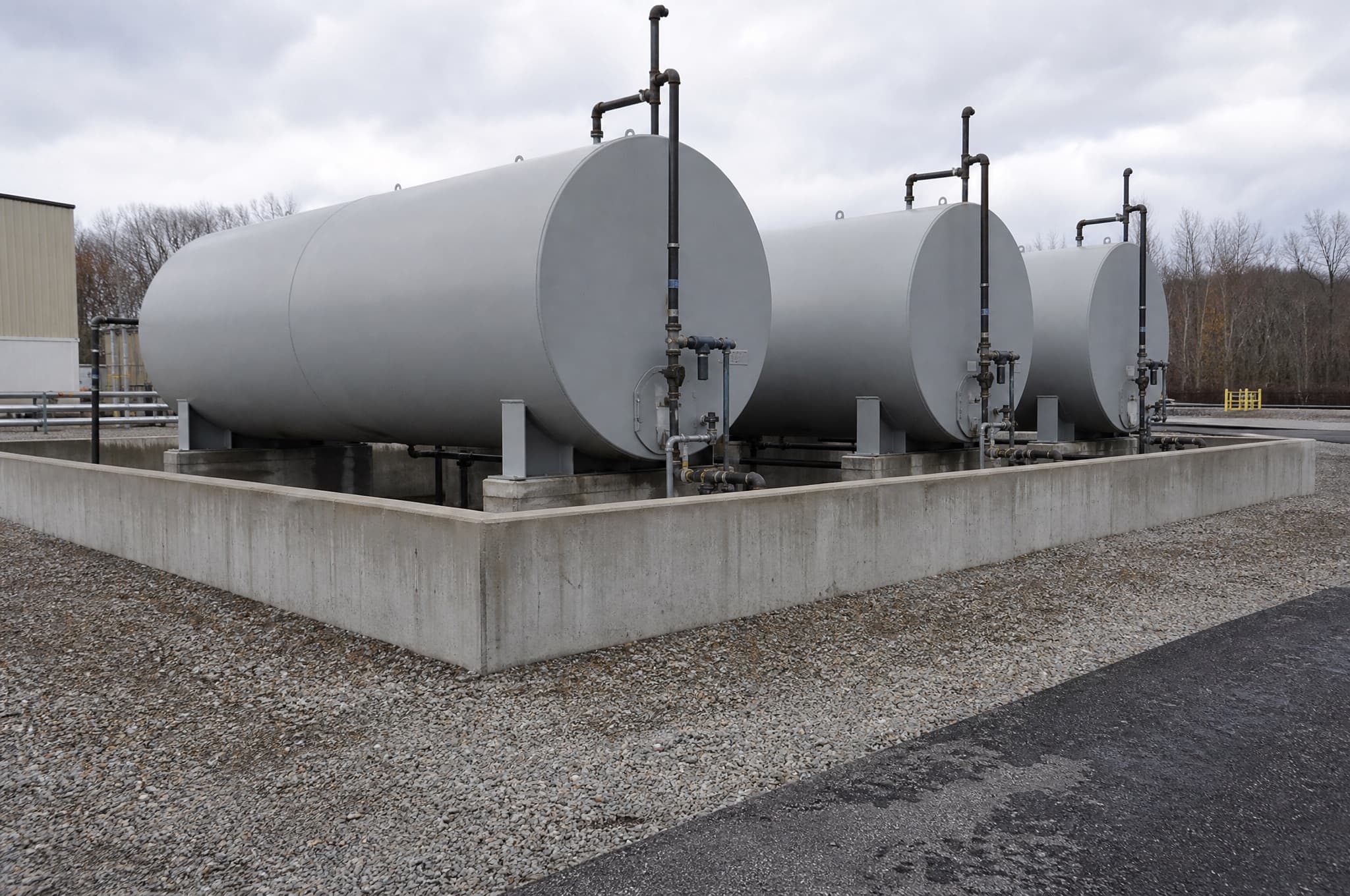
SPCC Plans
Spill Prevention, Control and Countermeasure plans under 40 CFR 112, with containment design coordinated to the facility.
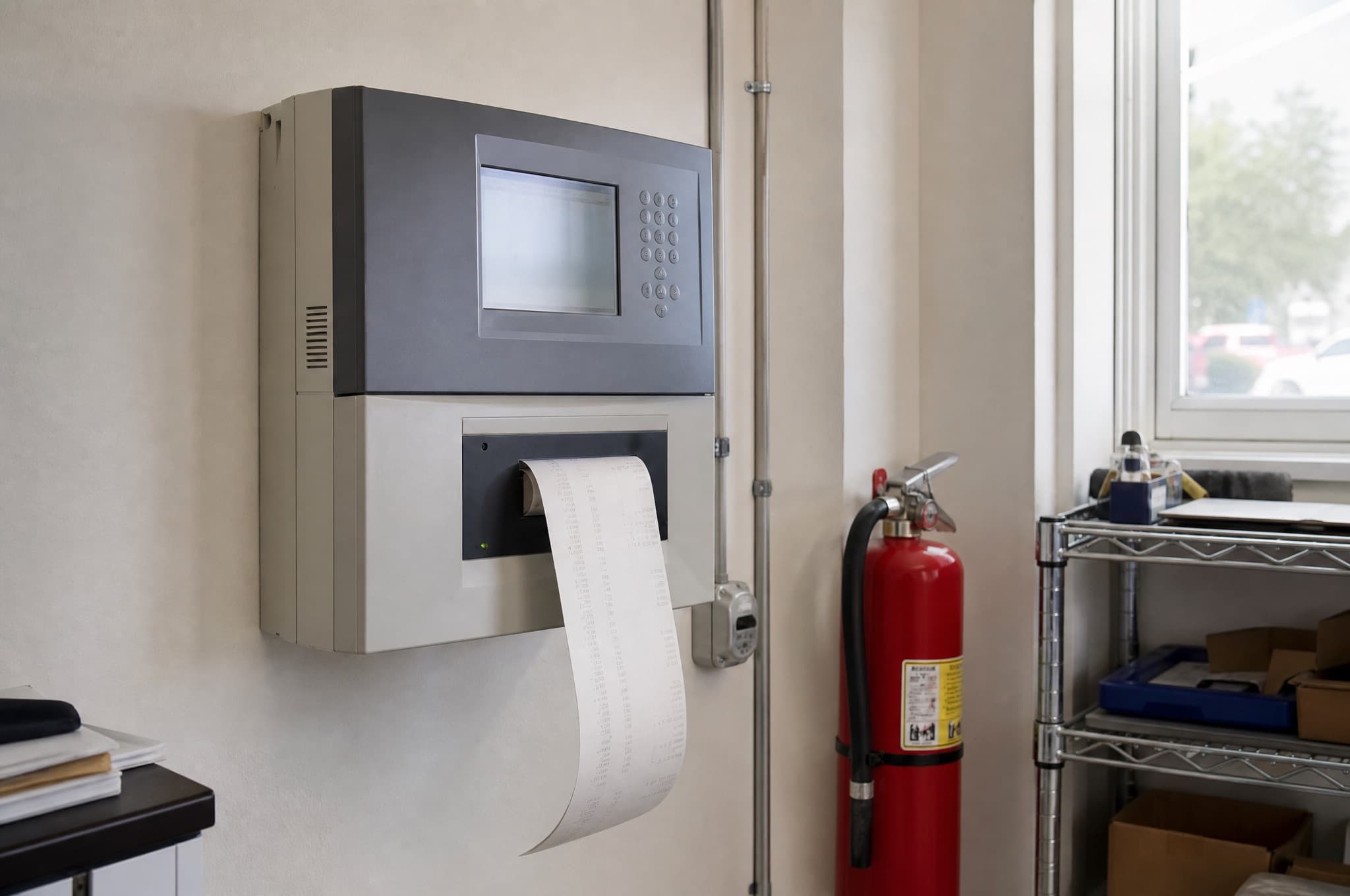
PBS Registration and Renewal
NYSDEC Petroleum Bulk Storage registrations, renewals and modifications kept current and accurate.
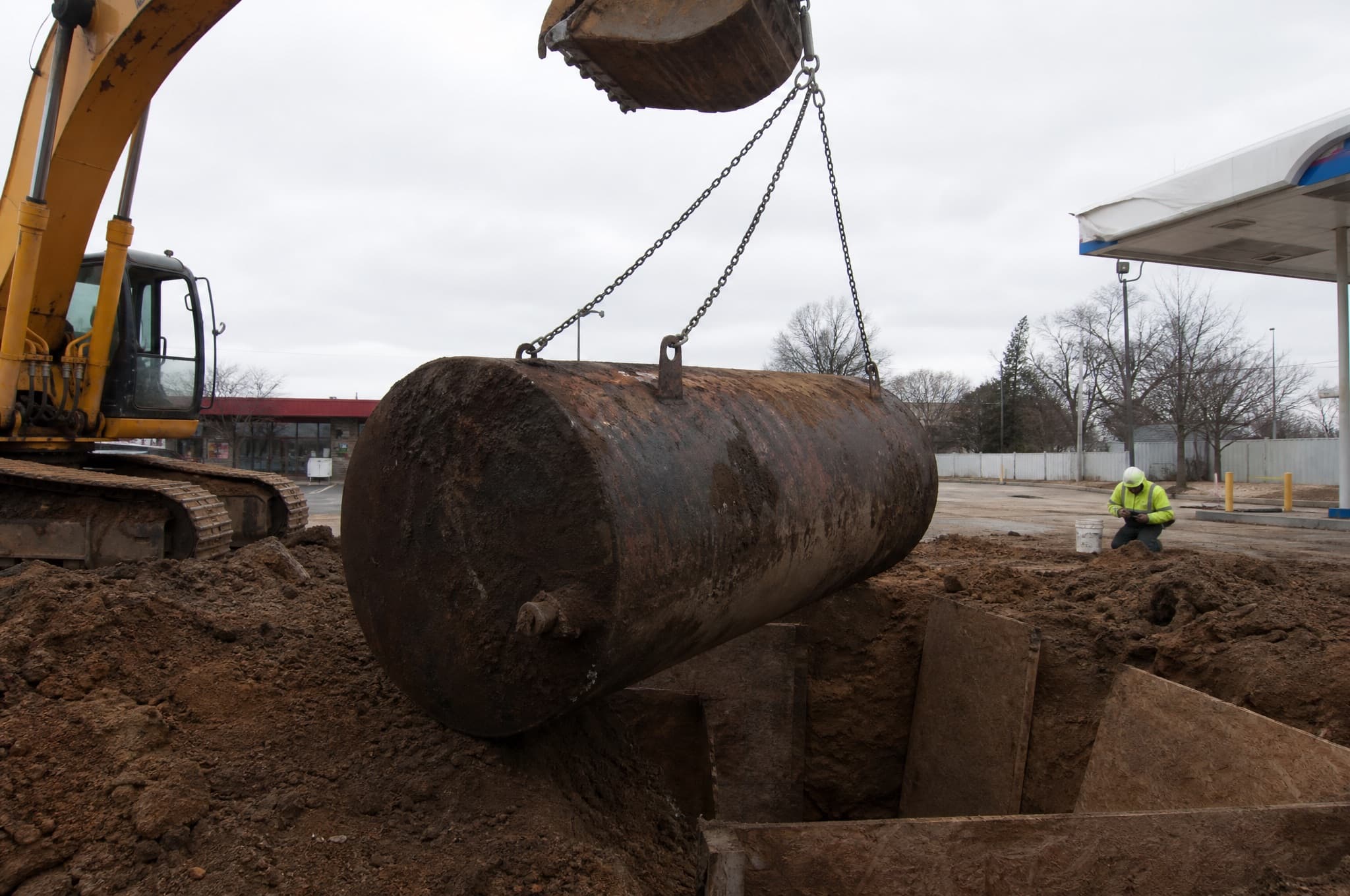
Tank Closure and Decommissioning
UST and AST closure planning, agency notification and deregistration with a clean file at the end.
Start with your situation
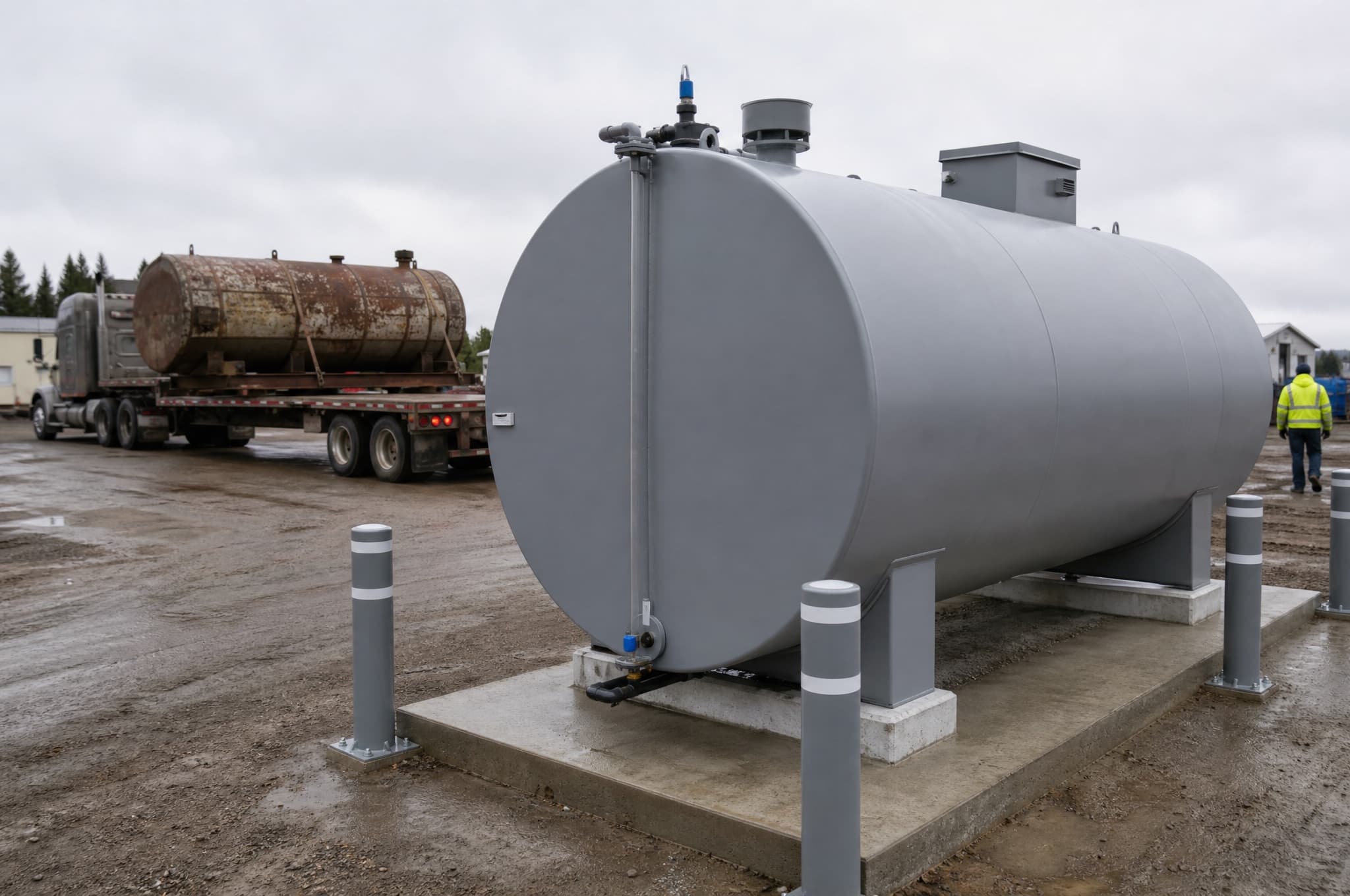 I need to replace or upgrade a tankAging tanks, failed sumps, more capacity, or a UST-to-AST conversion.
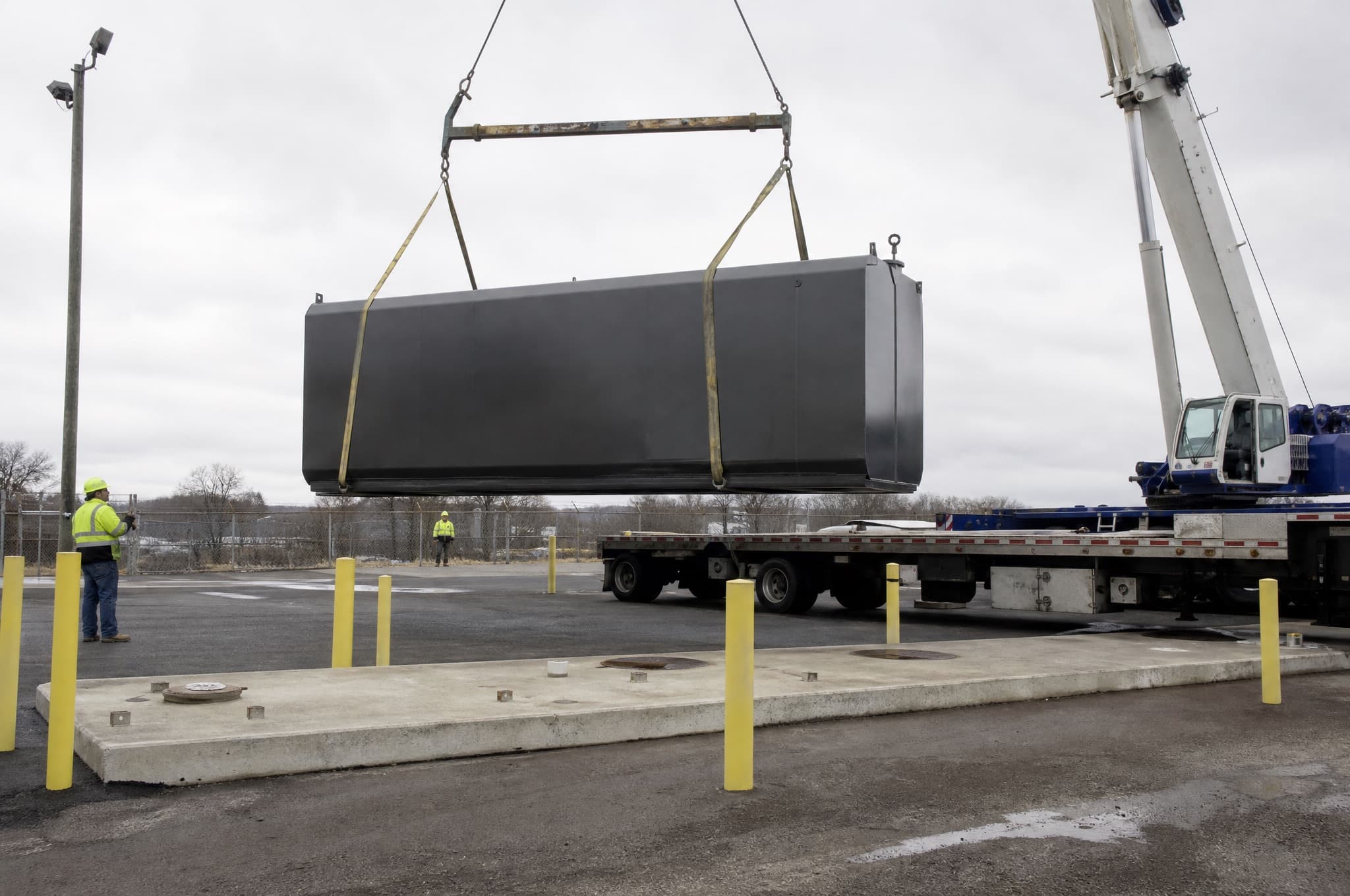 I'm moving or expanding my facilityRelocating ASTs, adding storage, or fueling at a new site.
 I installed or modified a tank without a permitLegalizing an existing installation before it becomes a violation.
About commercial and industrial fuel systems.
Not answered here? Ask directly.
Talk to a Fuel-System SpecialistIs our heating-oil UST regulated?
In New York, yes. The federal UST rule exempts heating oil for consumptive use on the premises, but NYSDEC Part 613 and the county programs in Suffolk, Nassau and Westchester regulate heating-oil tanks, including USTs, once the facility crosses their thresholds. In Virginia the answer depends on the tank, the aggregate at the site and the local fire official. ZE confirms it for your address.
Do we need an SPCC plan?
If aggregate aboveground oil storage in containers of 55 gallons or more exceeds 1,320 gallons and a discharge could reasonably reach navigable waters, 40 CFR 112 applies. Qualified facilities under 40 CFR 112 can self-certify their plan in both Tier I and Tier II; a facility that does not meet the qualified-facility criteria needs a plan certified by a Professional Engineer, which ZE coordinates. Either way the containment design and the plan need to agree, which is why ZE handles them together.
We are moving the plant. Can we bring our aboveground tanks?
Often, if the tank is inspected, the listing label is intact and the tank is suitable for the product and the new site. The new location still needs its own design, permits, containment and registration, and the old site needs closure and deregistration. ZE handles both ends.
We converted to natural gas. What happens to the old oil tank?
It is closed, either removed or permanently closed in place, under the applicable state and county rules, with advance notice to the agency, documentation of the closure and deregistration. Leaving it in the ground unregistered and unclosed is the finding that shows up at the next sale or refinance.
The mechanical contractor installed a diesel tank for the fire pump during the sprinkler project. Do we need a permit?
Typically yes. The fire marshal reviews the fuel tank separately from the fire pump, the county health department and NYSDEC or VA DEQ regulate it as petroleum storage, and the tank may push the facility over a registration or SPCC threshold. ZE documents the installation, corrects anything that needs correcting and files the permits.
Send us the situation. We'll tell you the path.
Photos, a violation notice, an inspection report, or just a description of the site. Matt reviews every inquiry personally and comes back with a clear next step.