
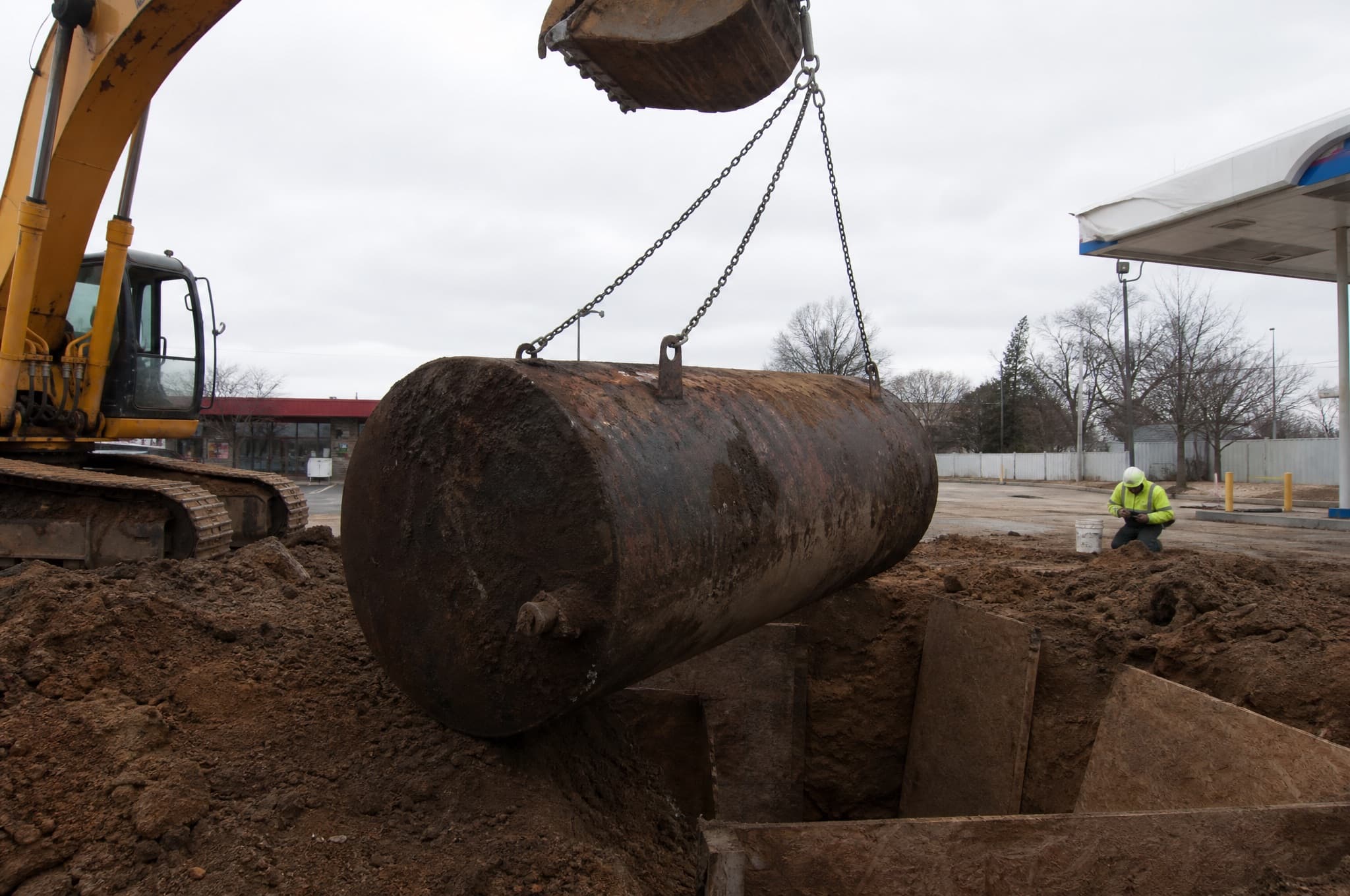
Close the tank properly and close the regulatory file with it.
Zambrano Enterprises plans and permits the closure, notifies the agencies, scopes the contractor and the environmental consultant, and files the deregistration. The tank comes out once. The paperwork should not come back.
The call usually starts like this.
If one of these sounds like your site, the form above is the fastest way to get a defined path back.
We are replacing the underground tank with an aboveground tank and need to close the old one.”
A Phase I found an old heating-oil UST under the parking lot.”
The fire marshal says the out-of-service tank has to be removed or properly abandoned.”
SCDHS listed our tank as abandoned and gave us 90 days.”
The buyer's attorney wants closure documentation before we can close the sale.”
We are moving facilities and the ASTs at the old site have to come out.”
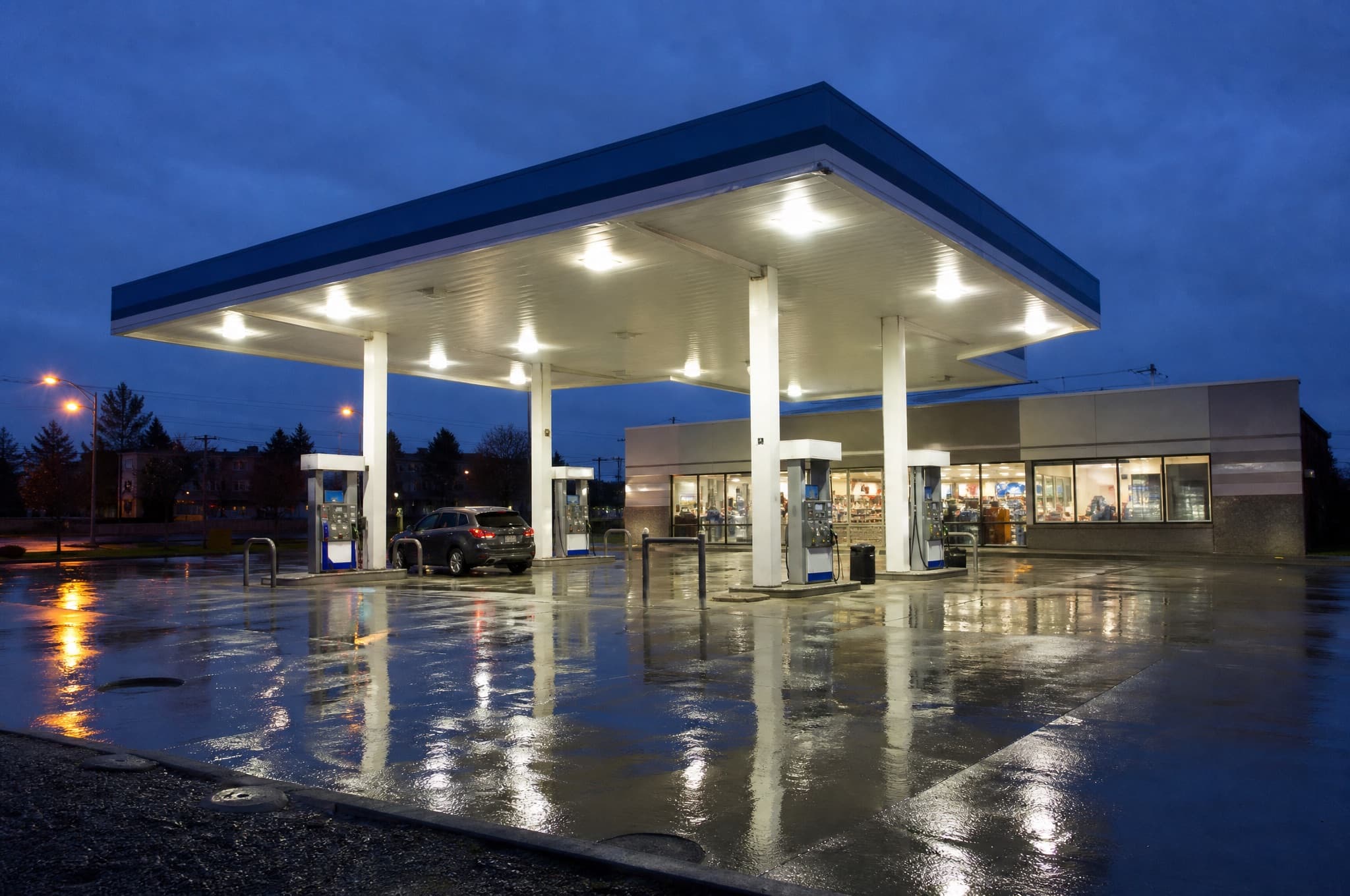
Concrete deliverables, not a proposal to write one.
- Closure plan: removal or closure in place, with the basis for the recommendation
- Agency notifications and closure applications (NYSDEC or the delegated county, VA DEQ, local fire officials, NYC DOB and FDNY as applicable)
- Closure drawings and specifications the petroleum contractor can price and build from
- Scope for the environmental consultant's closure assessment and soil sampling
- Coordination of cleaning, degassing, removal and disposal documentation
- Deregistration filing and updated registration for any tanks that remain
- Closeout file: closure report, sample results, disposal manifests and agency correspondence
How ZE approaches tank closure and decommissioning.
Zambrano Enterprises provides specialized fuel-system design and technical consulting services. When professional engineering review or certification is required, ZE coordinates with appropriately licensed Professional Engineers through established professional relationships nationwide.
Closure is a project, not a phone call to a hauler
There are notices, permits and a sampling plan that have to be in place before the tank comes out, and a report and a deregistration that have to be filed after. ZE sequences all of it so the removal day is not the day someone discovers the fire marshal was never told.
The file is the product
The closure report, the sample results and the agency's acknowledgment are what the next buyer, lender and Phase I consultant will read. ZE assembles that file deliberately so the closure does not resurface as a question at the next transaction.
Coordinated with whatever replaces it
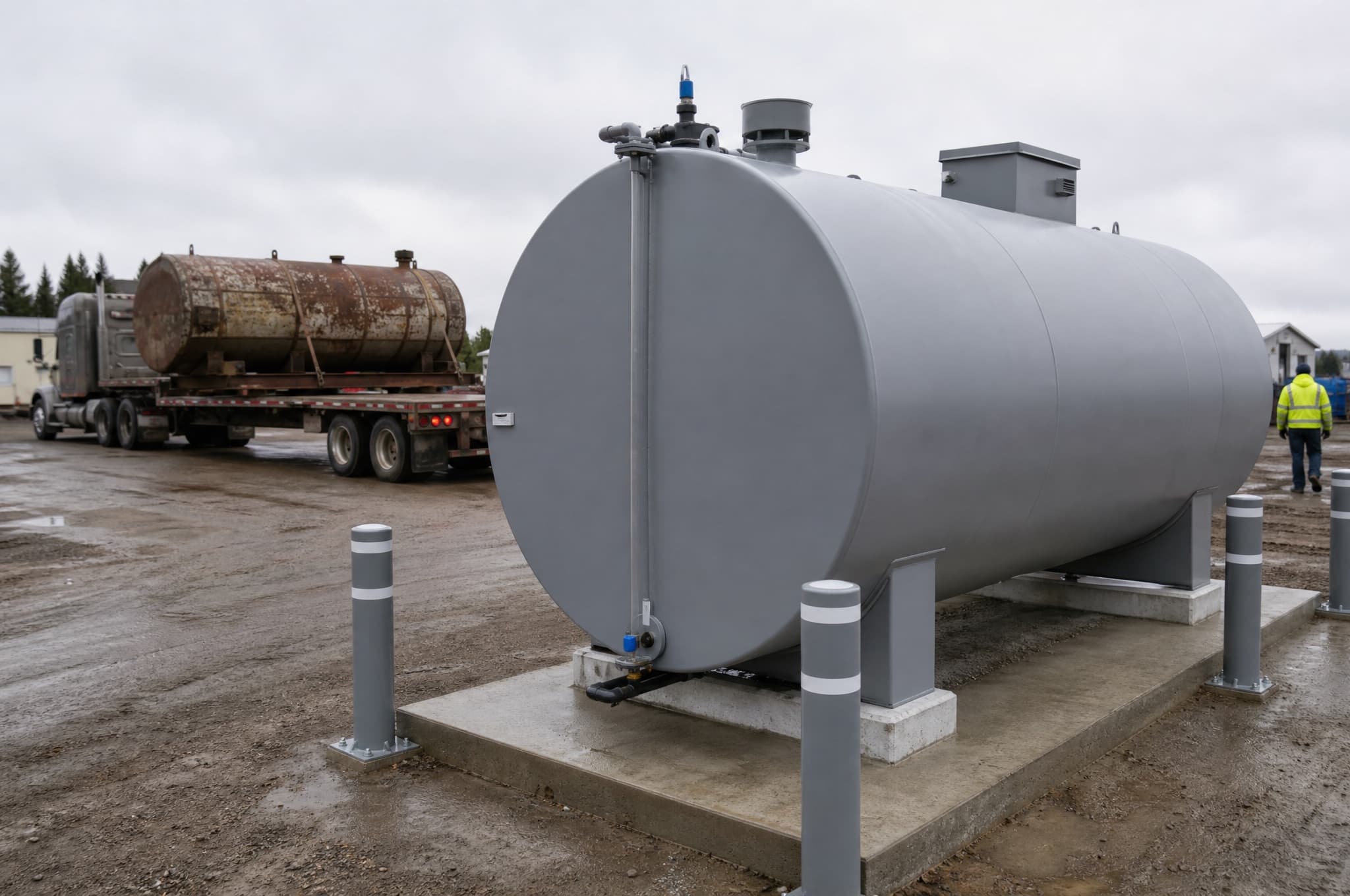
Most closures ZE handles are half of a replacement: a UST coming out and an AST going in, or a facility relocation. ZE designs and permits both sides together so the closure and the new installation move through the agencies as one project.
How the work runs.
- STEP 1
Closure assessment and plan
Review the tank's construction, age, contents, registration and permit history and its location relative to buildings, utilities and groundwater. Recommend removal or closure in place, and identify what the AHJ will require to approve it.
- STEP 2
Notification and permits
File the advance notice the program requires, typically 30 days under 40 CFR 280, NYSDEC Part 613 and Virginia 9VAC25-580, along with the county closure application and the local fire official's tank-removal permit where one is required.
- STEP 3
Contractor and consultant scope
Prepare the closure drawings and specifications for the petroleum contractor and the sampling scope for the environmental consultant, so both are pricing the same work and the sampling locations match what the agency expects to see.
- STEP 4
Closure execution support
Coordinate the schedule so the agency inspector, the contractor and the consultant are on site when they need to be. The contractor performs the cleaning, degassing, removal or in-place fill; the consultant collects and analyzes the samples. ZE answers field questions and documents what was done.
- STEP 5
Deregistration and closeout
Assemble the closure report with the consultant's results and the disposal documentation, file it with the agency, update or deregister the PBS or DEQ registration, and deliver the complete file to the owner.
About tank closure and decommissioning.
Not answered here? Ask directly.
Talk to a Fuel-System SpecialistDo I have to remove the tank or can it be closed in place?
It depends on the tank, its location and the AHJ. Removal is the default for USTs in most of the jurisdictions ZE works in and produces the cleanest file. Closure in place, where the tank is emptied, cleaned and filled with an inert material, is allowed with agency approval when removal is impractical, such as a tank under a structure. Suffolk County treats a tank out of service for two or more years as abandoned and requires it to be emptied and filled or removed within 90 days of discovery. ZE assesses the specific situation and recommends the method the agency will approve.
Who performs the removal and the sampling?
A petroleum contractor performs the cleaning, degassing, excavation, removal or in-place fill and the disposal. An environmental consultant performs the closure assessment and collects and analyzes the soil and, where required, groundwater samples. Zambrano Enterprises designs and permits the closure, prepares both scopes, coordinates the schedule and the agency, and assembles the closeout file. ZE works with the owner's existing contractor and consultant or can recommend experienced ones.
What does a closure report include?
A site description, the tank's construction and history, the closure method, the sampling locations and results compared against the applicable standards, photographs, disposal and degassing documentation, and any release reporting if contamination was found. The report is filed with the agency and becomes part of the property's permanent file.
What if the samples show contamination?
A confirmed release has to be reported within the timeframe the state requires, which in New York is two hours to the NYSDEC spill hotline. The agency then opens a spill case and the environmental consultant develops the investigation and corrective action work. ZE stays involved to coordinate the closure side and any replacement system. In Virginia, cleanup costs from eligible tanks may be reimbursable through the Virginia Petroleum Storage Tank Fund, subject to the fund's preapproval and eligibility rules.
How much notice does the agency need?
Thirty days is the typical advance-notice requirement for permanent UST closure under 40 CFR 280, NYSDEC Part 613 and Virginia 9VAC25-580, and the delegated counties have their own applications on top of that. Local fire officials may require a separate tank-removal permit and a degassing certificate. ZE confirms the actual requirements for the site and builds the schedule around them.
Usually part of the same project.
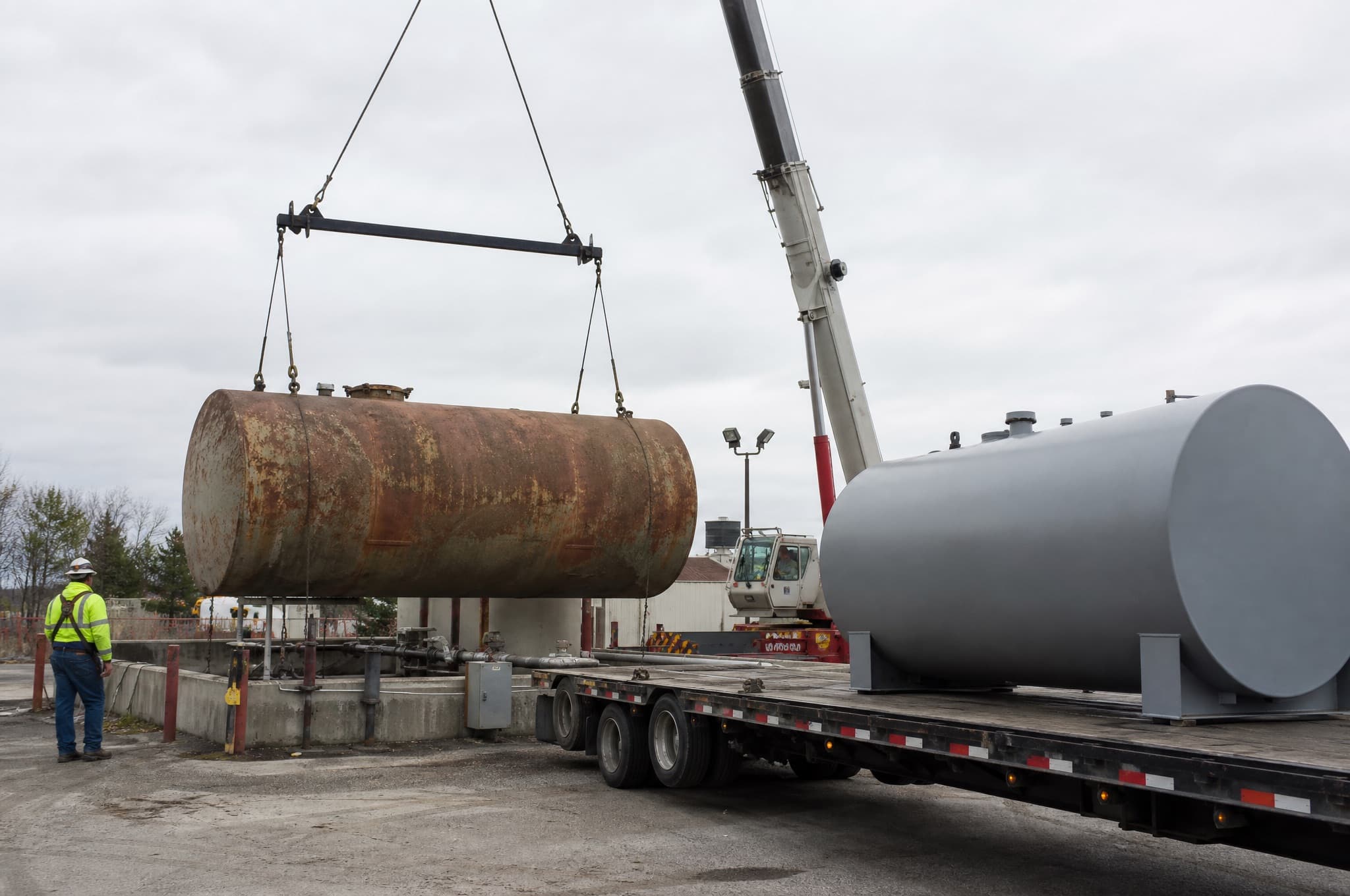
Fuel System Upgrades and Replacements
Aging tank replacement, capacity expansion, UST-to-AST conversion, sump replacement and overfill or containment corrections.
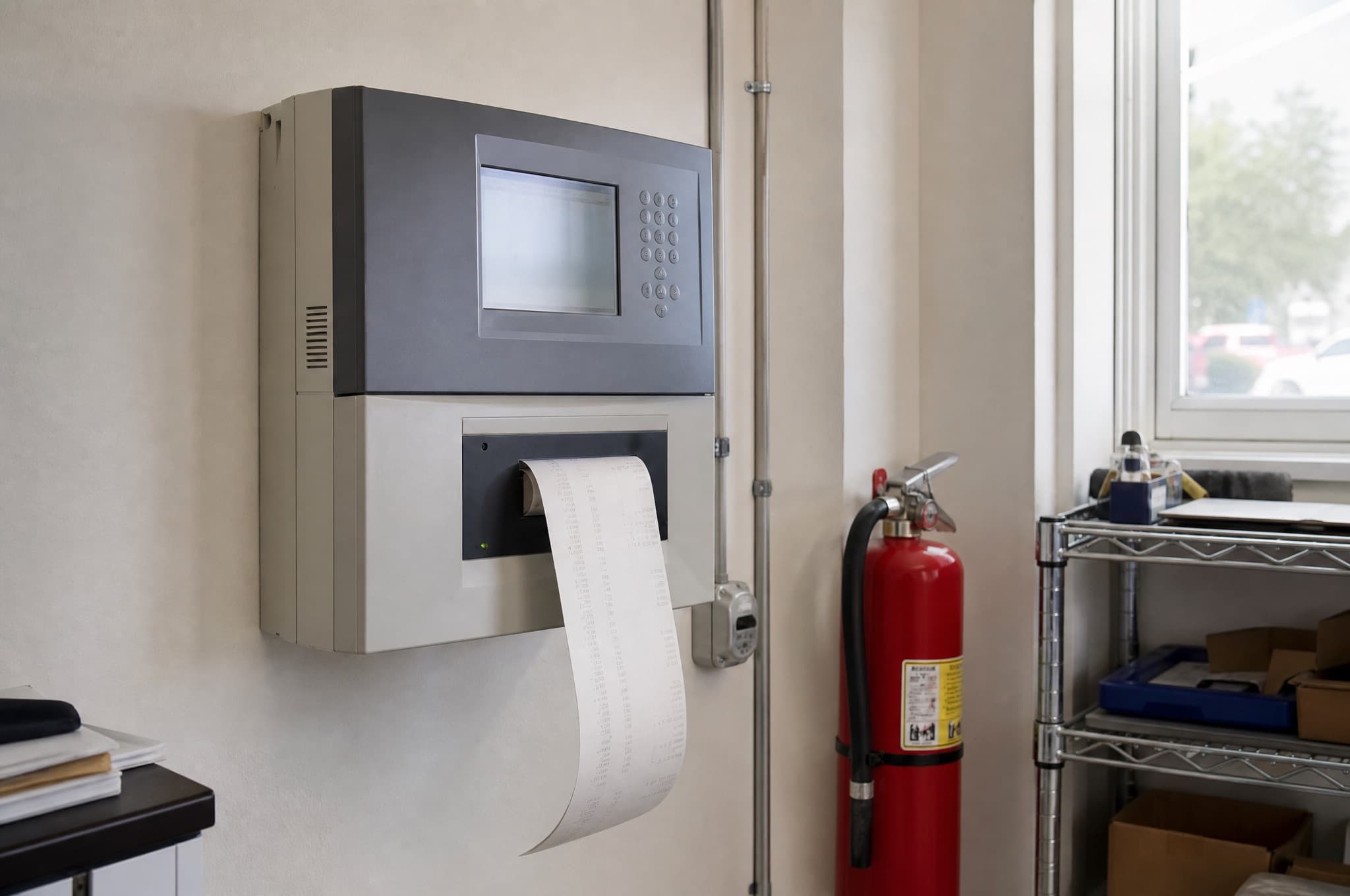
PBS Registration and Renewal
NYSDEC Petroleum Bulk Storage registrations, renewals and modifications kept current and accurate.
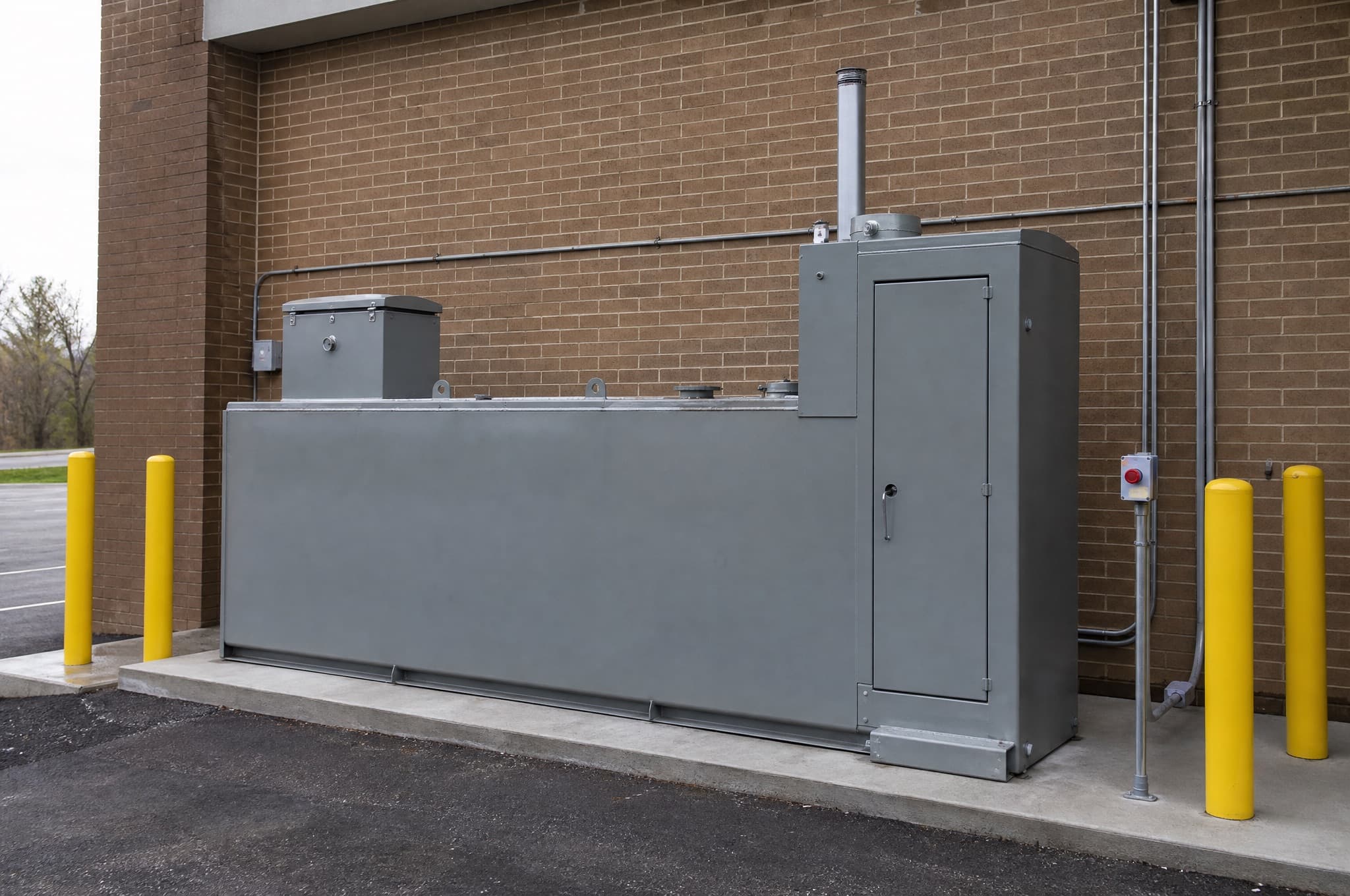
AST System Design
Aboveground storage tank systems for fuel, fuel oil, waste oil and generator diesel, sized and sited to fire code and AHJ requirements.
Send us the situation. We'll tell you the path.
Photos, a violation notice, an inspection report, or just a description of the site. Matt reviews every inquiry personally and comes back with a clear next step.