
Keep the PBS registration matching what is actually on site.
New York's Petroleum Bulk Storage registration is checked at every inspection, renewal, permit and sale. Zambrano Enterprises reconciles the registration against the tanks in the ground and files it with the right program.
The call usually starts like this.
If one of these sounds like your site, the form above is the fastest way to get a defined path back.
DEC says our PBS registration expired.”
We bought the property and the registration is still in the seller's name.”
We replaced a tank last year and never told anyone.”
The registration certificate lists tanks that were removed years ago.”
Suffolk County sent a renewal invoice and the tank list on it is wrong.”
The lender's environmental consultant flagged a registration discrepancy.”
Concrete deliverables, not a proposal to write one.
- Tank inventory reconciliation: the registration on file versus what is actually on site
- Completed PBS registration, renewal or modification application with the NYSDEC or the delegated county program
- Transfer-of-ownership filing after a sale, within the required window
- Supporting documentation: tank and piping construction, installation dates, contents, leak detection and overfill equipment
- Registration certificate for posting at the facility
- Renewal calendar with the five-year expiration and any county fee dates
How ZE approaches pbs registration and renewal.
Zambrano Enterprises provides specialized fuel-system design and technical consulting services. When professional engineering review or certification is required, ZE coordinates with appropriately licensed Professional Engineers through established professional relationships nationwide.
Checked against the site, not copied forward
Most registration problems come from renewals that copied the last form. ZE verifies each tank's capacity, contents, construction, installation date, leak detection and overfill equipment before filing, so the registration matches what an inspector will find.
One process, whichever program administers it
NYSDEC administers Part 613 registration for most of the state. Suffolk, Nassau, Westchester and Cortland counties administer their own delegated programs with their own forms, fees and permit cycles. ZE works in all of them and files with the right one.
Registration is handled as part of the permit
In Suffolk County the registration form travels with the Permit to Construct application, and the Permit to Operate depends on it. When ZE designs and permits a tank project, the registration or modification is filed as part of that work rather than left for someone to remember later.
How the work runs.
- STEP 1
Inventory and status review
Document every regulated tank on the property, including out-of-service and closed tanks, and pull the current registration. Identify what is missing, wrong or expired.
- STEP 2
Determine the program and the filing
Confirm whether the facility falls under NYSDEC directly or a delegated county program, and whether the filing is a new registration, a renewal, a modification, a transfer or a closure update.
- STEP 3
Prepare and file
Complete the application with the supporting tank-system information and fee, file it with NYSDEC or the county, and respond to any questions from the program.
- STEP 4
Confirm, post and calendar
Confirm the registration is accepted, deliver the certificate for posting at the facility, and set the five-year renewal and any county fee dates so the file does not lapse.
About pbs registration and renewal.
Not answered here? Ask directly.
Talk to a Fuel-System SpecialistWho has to register with the NYSDEC PBS program?
Under 6 NYCRR Part 613, a facility with combined petroleum storage capacity above 1,100 gallons in aboveground and underground tanks must register, and so must a facility with an underground tank of 110 gallons or more regardless of the total. Heating oil, gasoline, diesel, kerosene, waste oil and lubricating oil all count. Suffolk County's Article 12 goes further and requires registration of essentially all petroleum tanks, with narrow exemptions for small on-site heating and standby-power tanks outside groundwater management zones.
How often does a PBS registration renew?
A NYSDEC PBS registration is valid for five years, with the fee set by total capacity. The delegated counties run their own cycles: in Suffolk County the Permit to Operate has a term of up to five years with an annual fee based on total storage volume, and Westchester County sets its own registration fee schedule. ZE tracks whichever cycle applies to the facility.
What happens to the registration when the property is sold?
The registration does not follow the deed on its own. The new owner has to file a transfer with NYSDEC or the county within the required window after closing, typically 30 days, and becomes responsible for the facility's compliance from that point. ZE handles the transfer and uses the sale as the moment to correct the tank inventory, since buyers inherit the seller's registration errors.
What counts as a modification that has to be reported?
Installing, replacing, removing or permanently closing a tank; changing the product stored; changing the tank or piping construction, leak detection or overfill equipment; and changing the owner or operator. Part 613 requires these changes to be reported within 30 days. Suffolk County requires registration changes in owner, operator or contents to be submitted as they occur.
What happens if the registration lapses?
An unregistered or expired facility is operating in violation of Part 613 or the county sanitary code, and in Suffolk County it is unlawful to use, maintain or fill a storage facility without a valid permit to operate. Beyond the notice and penalty exposure, a lapsed registration surfaces at the next permit application, inspection or Phase I. ZE re-registers lapsed facilities and reconciles the tank inventory at the same time.
Usually part of the same project.
Fuel Tank Permitting
Permit due diligence and approvals from every authority having jurisdiction, handled as part of the design rather than an afterthought.
Compliance and Violation Resolution
Petroleum storage violations, unpermitted installations, failed tests and occupancy holds resolved with a defined corrective path.
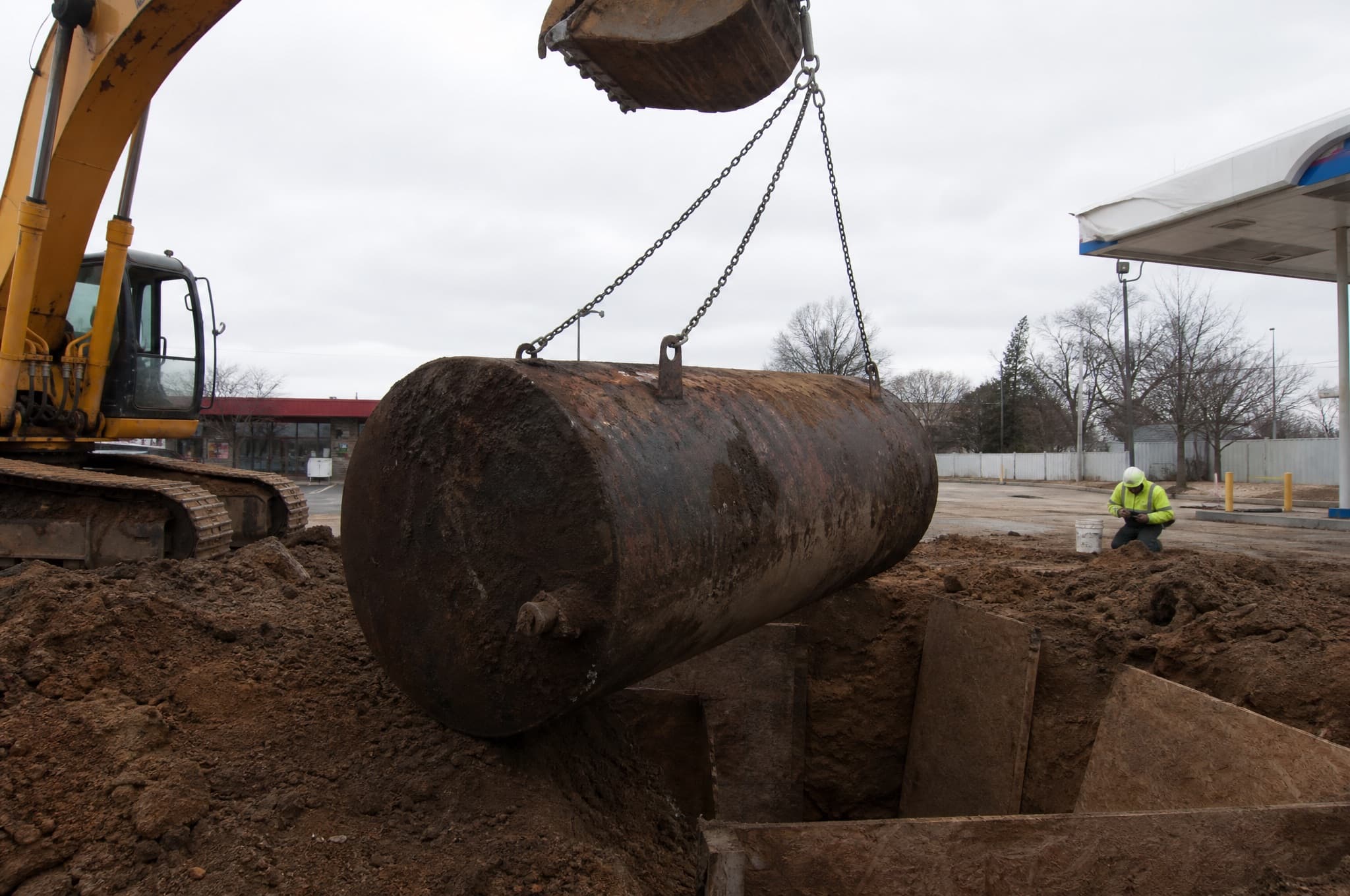
Tank Closure and Decommissioning
UST and AST closure planning, agency notification and deregistration with a clean file at the end.
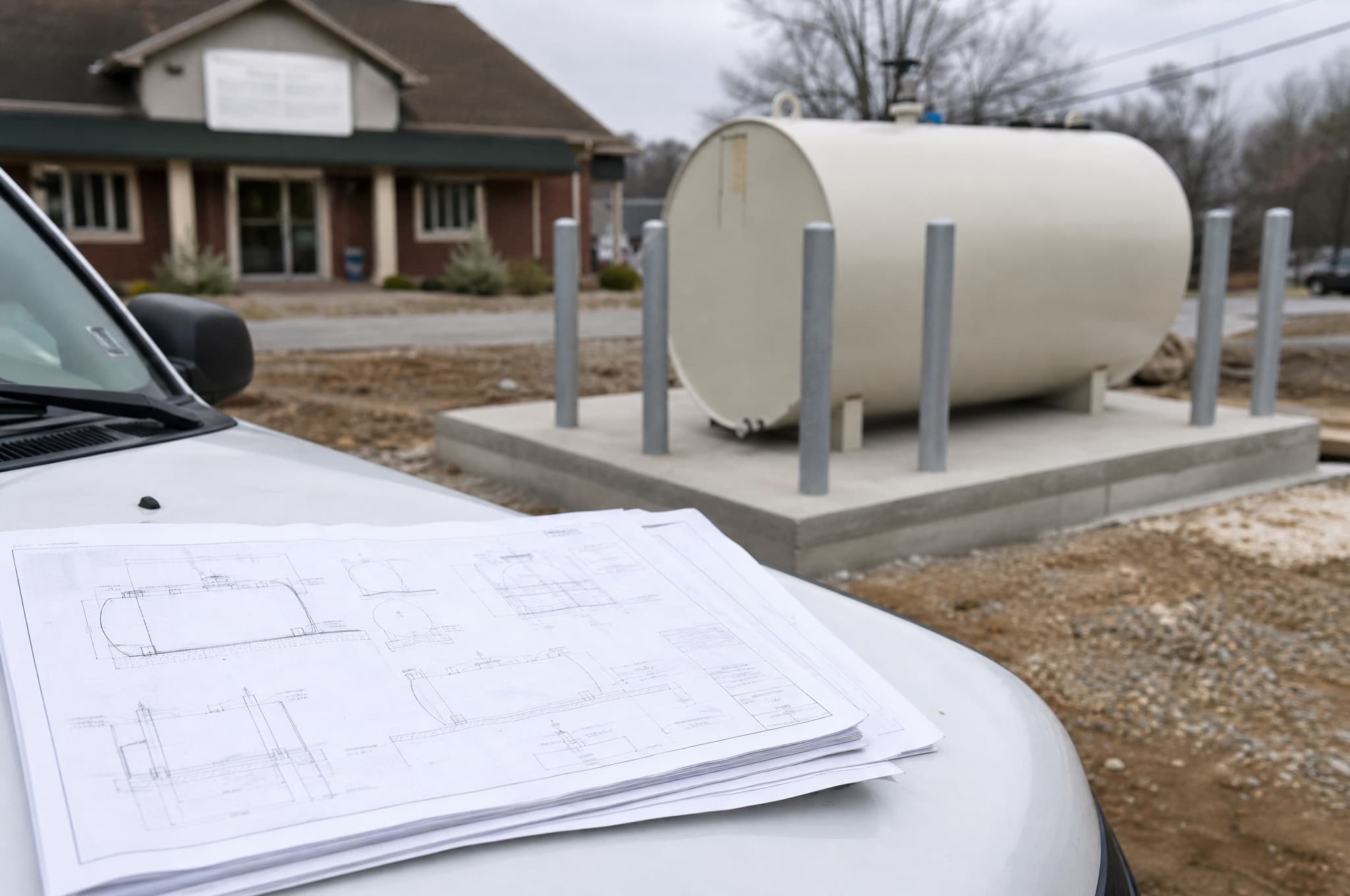
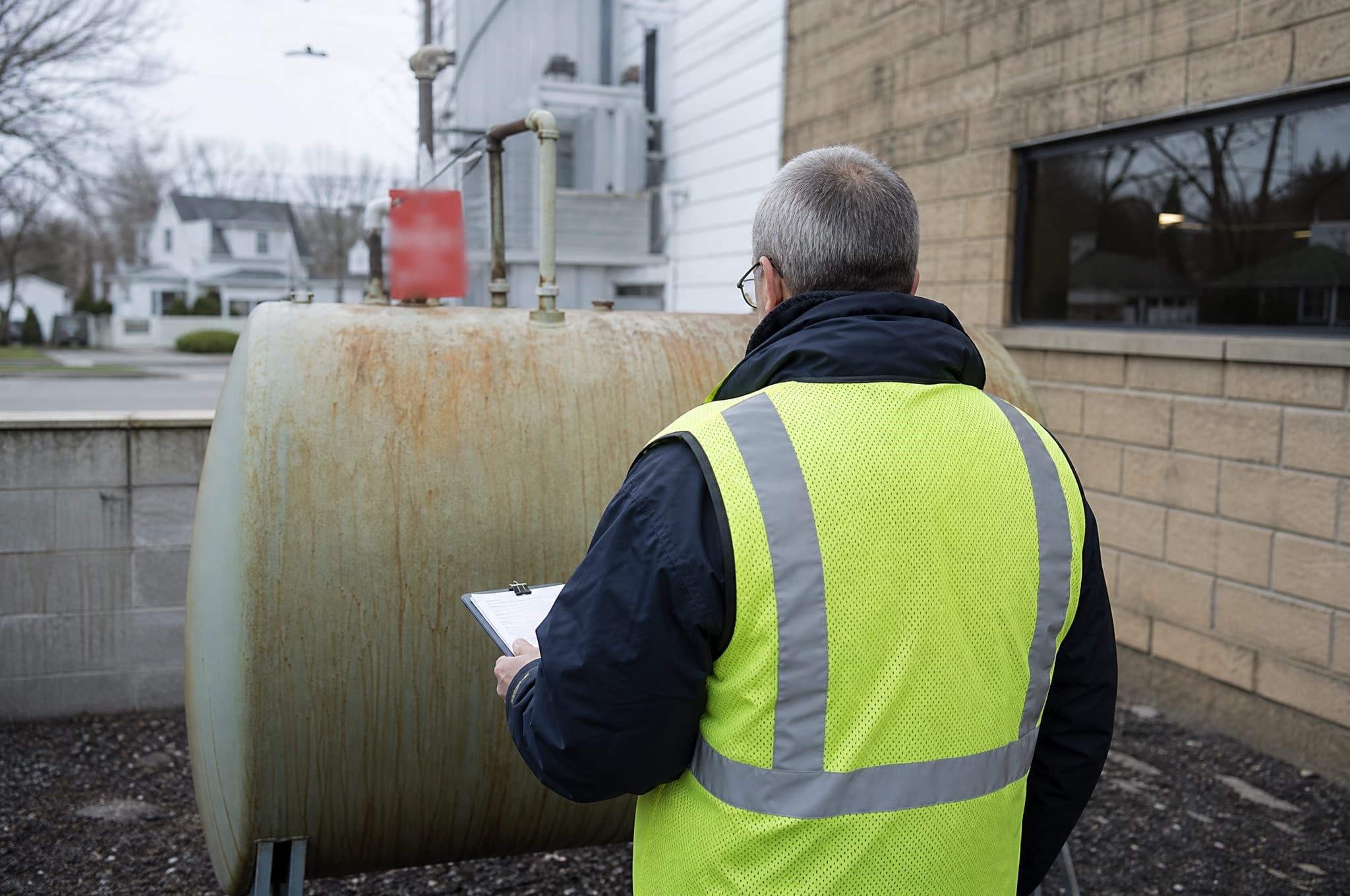
Send us the situation. We'll tell you the path.
Photos, a violation notice, an inspection report, or just a description of the site. Matt reviews every inquiry personally and comes back with a clear next step.