
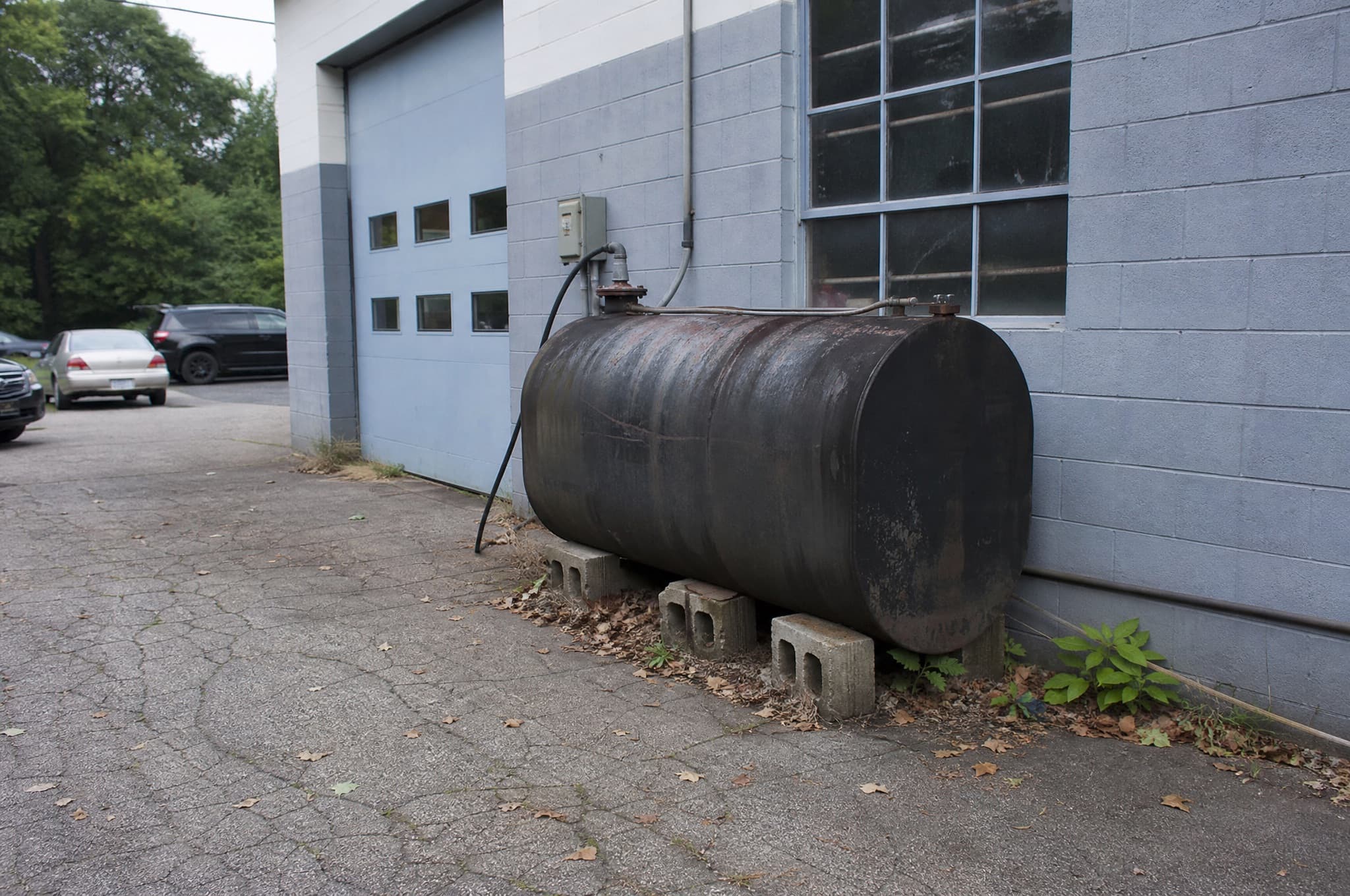
A tank went in without a permit. Here is how to make it legal.
This one gets said quietly. "We installed this tank without a permit." Or "the previous owner did." Or "our contractor moved the dispensers and now the inspector wants drawings." It comes up when a property is sold, when a Certificate of Occupancy is held, when an inspector walks the site, when a fuel supplier asks for a registration number, or when the owner simply wants to stop worrying about it.
At a glance
Managing Member · B.S. Civil Engineering, Georgia Tech · 15+ years in fuel systems · Updated September 2026
What is usually going on is not fraud. It is a tank that went in under a general contractor who did not know petroleum storage had its own approvals, a generator tank that was treated as part of the generator, a waste-oil tank a supplier dropped off, or a piping and dispenser change nobody thought was big enough to report. The agencies have a path for this. It is called legalization, and it works best when the owner starts it before the agency does.
Who this applies to
- Property owners and managers who discovered an unregistered or unpermitted tank during a sale, refinance or CO inspection
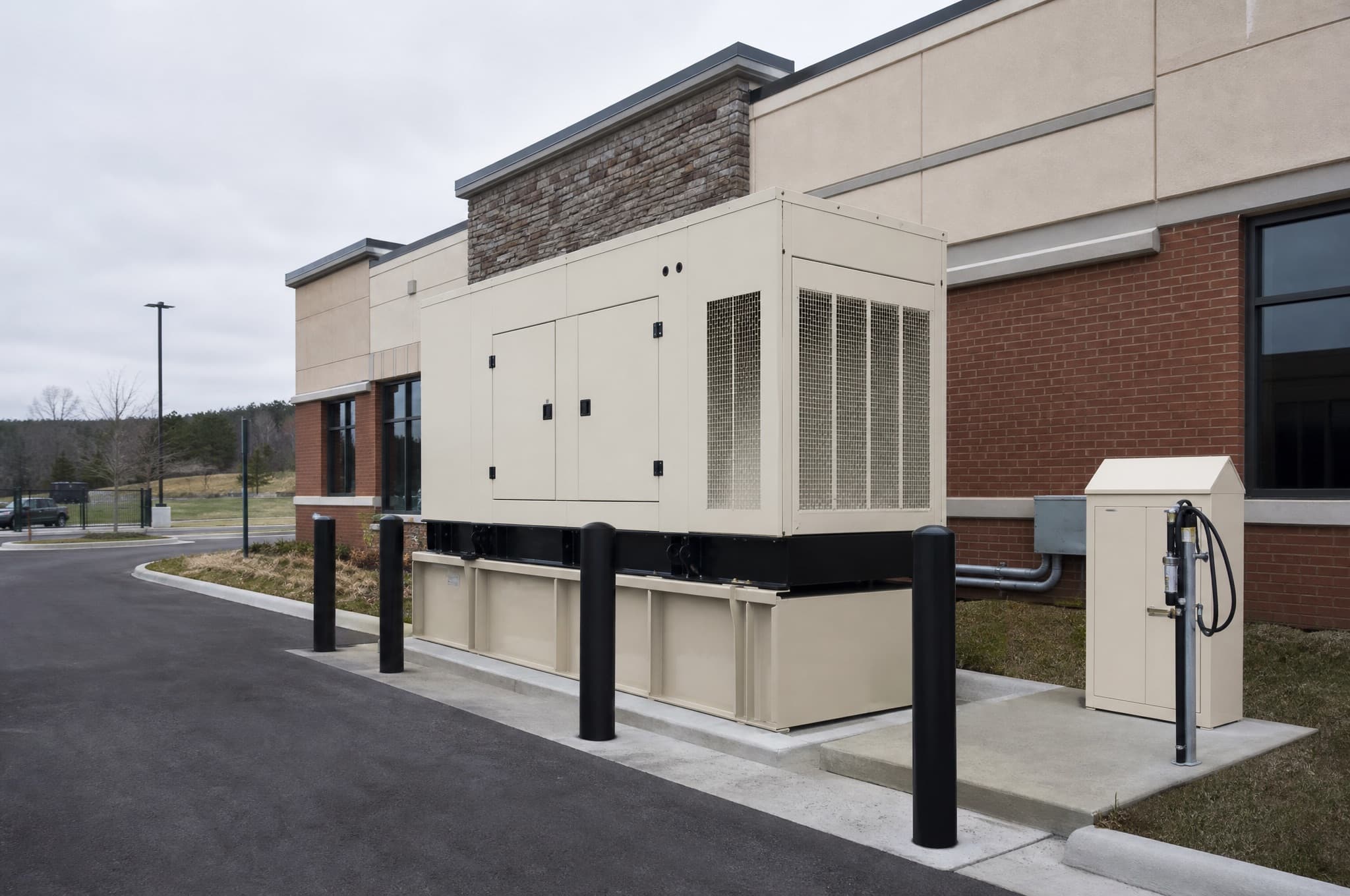
- Facilities where a generator diesel tank was installed with the generator but never permitted as a fuel tank
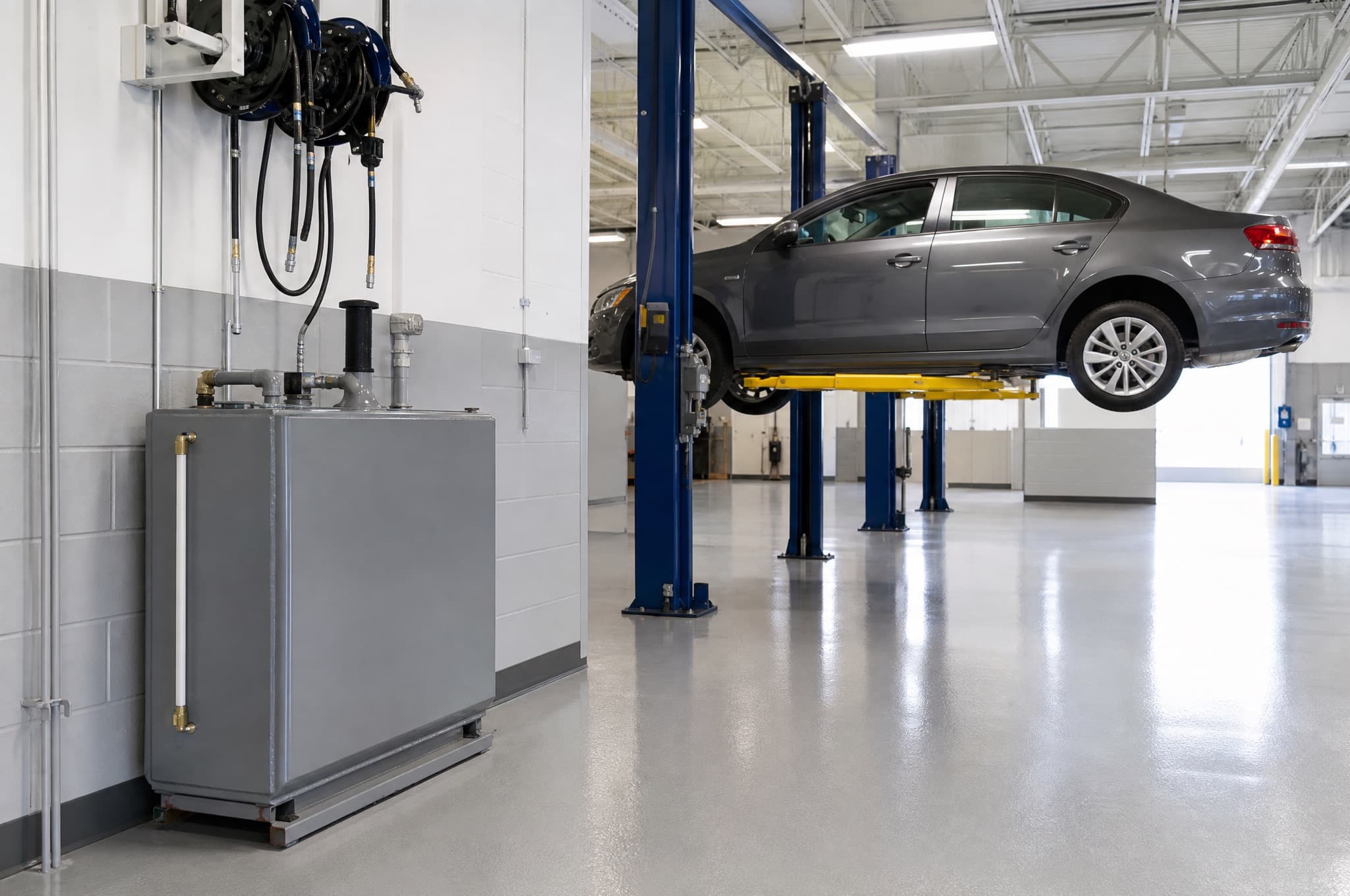
- Shops and dealerships with waste-oil or lubrication tanks that were never registered or approved
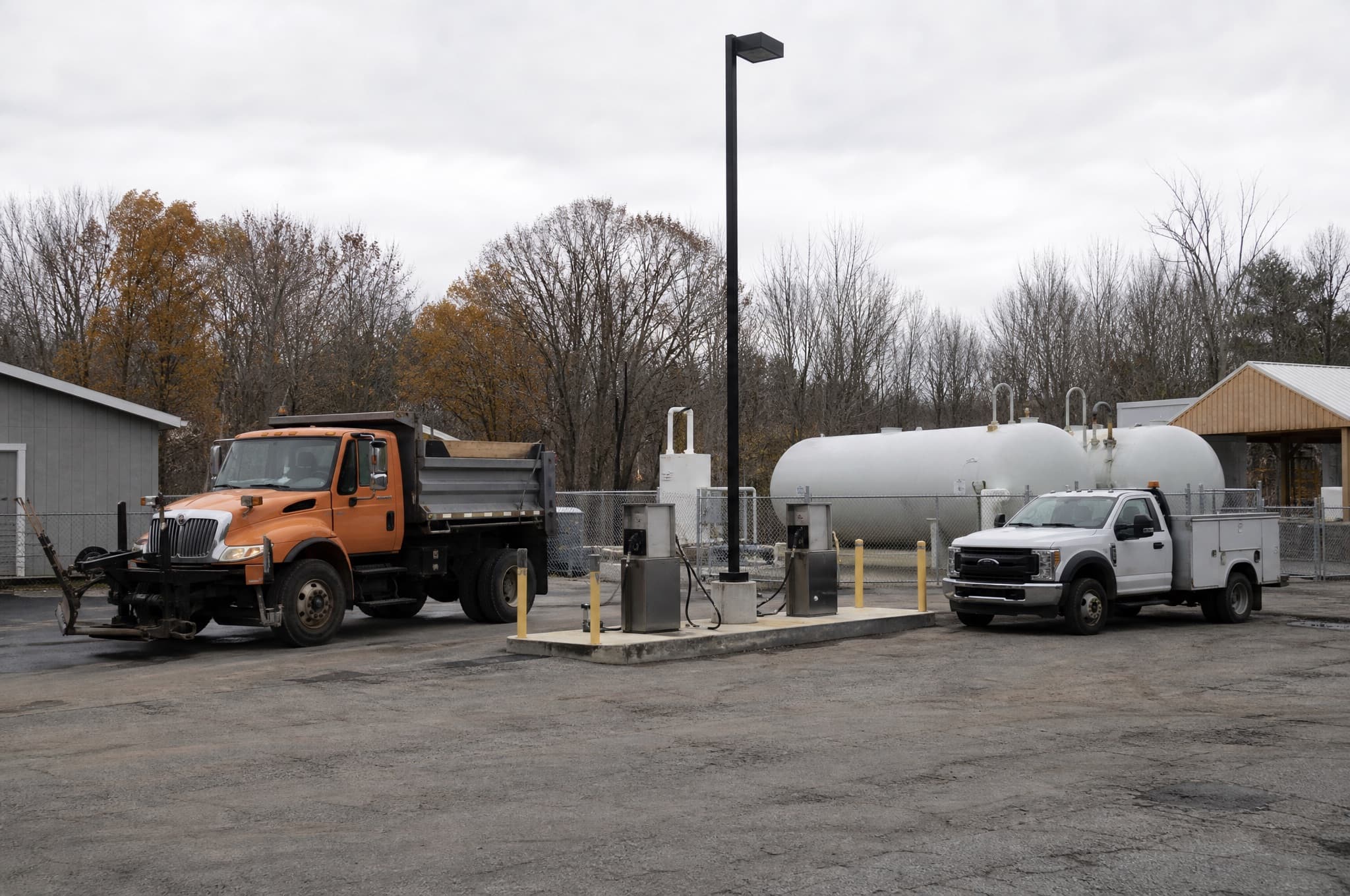
- Fleet yards and stations where dispensers, piping or fuel-management equipment were changed without an amended permit
- Buyers doing due diligence on a site with tanks that do not appear in the agency's records
- Contractors' customers who were told the existing installation needs to be legalized before new work can be permitted
What is usually going on
Every petroleum storage program keeps a file on each facility. When a tank exists on site that is not in that file, or the file shows a different system than what is actually there, the agency treats it as unpermitted. That can be a whole tank, or it can be a modification: a dispenser added, piping rerouted, a tank swapped for a bigger one, a fuel-management system wired in, a fill relocated.
In Suffolk County, SCDHS Article 12 requires a permit to construct before installation and a permit to operate afterward, and an unpermitted installation is a violation of both. Nassau and Westchester run parallel programs. NYSDEC Part 613 requires PBS registration within a set time after installation, and a facility over 1,100 gallons aggregate that was never registered is out of compliance on that basis alone. In Virginia, DEQ requires notification for USTs under 9VAC25-580 and regulates ASTs under 9VAC25-91, and the fire official needs to have approved any aboveground tank under the Statewide Fire Prevention Code.
The practical problem is that an unpermitted system was never reviewed, so nobody has confirmed it meets code. Legalization is the process of documenting what is there, correcting what does not comply, and getting the agency to approve it after the fact.
What to do first
- Do not remove, bury, disconnect or alter the tank or equipment before it is documented. That creates a second problem.
- Do not fill or start using a tank that has never been used. If it is already in service, keep records of what goes in and out.
- Find out what the agency has on file. A PBS registration lookup or a records request tells you what they think is on the site.
- Gather whatever exists: invoices, the tank's data plate and listing label, installer information, any drawings, electrical permits, the generator or equipment submittal.
- Photograph everything. Tank, data plate, fill, vent, piping, dispensers, sumps, containment, signage, the surrounding area.
- If an inspector has already found it, read the notice for the deadline and follow the tank-violation pathway alongside this one.
- Loop in your contractor if you have one. If not, we can recommend one for the corrective work.
Not sure where you stand? Send what you have.
A photo, the notice, or a sentence about the site is enough to start. Matt reviews it personally and comes back with the likely path.
What we do
Investigate. We document the system as it exists. Tank construction and listing, capacity, product, piping, dispensing, containment, spill and overfill, venting, monitoring, electrical, location and setbacks. We compare that against the current rules for your jurisdiction and against whatever the agency has on file.
Develop the strategy. Some unpermitted systems were installed well and need paperwork. Some need corrections. Some cannot be legalized where they sit and have to be moved or replaced. We tell you which before anything is submitted, and we plan how to approach the agency so the file opens on the right footing.
Design. We produce the drawings the agency needs to review the system as if it were a new application, plus the design for any corrections: containment, overfill and spill protection, sump sensors, venting, impact protection, relocation.
Permit. We prepare the after-the-fact permit applications, PBS registration or DEQ notification, and fire-code approvals, and we handle reviewer comments. Where a seal is required, the drawings are reviewed and sealed by an appropriately licensed design professional, coordinated by ZE through established professional relationships.
Support construction. If corrections are needed, we define the scope so your contractor can price and build it, and we stay available for questions and testing.
Closeout. Inspection, permit to operate, registration in your name, and an as-built set. The file matches the site.
What drives cost
The cost of legalizing a tank depends almost entirely on how close the installation is to compliant.
A well-installed listed tank with proper containment and venting, in a location that meets setbacks, is mostly documentation and application work. A tank that is missing overfill protection, has no secondary containment, is too close to a property line or building, or is an unlisted tank, needs corrective design and construction. A tank that cannot be legalized where it sits has to be relocated or replaced, which becomes a full project. Underground systems add testing and monitoring requirements the agency will want demonstrated. The number of agencies involved, and whether an enforcement file is already open, affect the effort as well.
We give you the honest read early. If the tank is not worth legalizing, we say so and lay out the replacement path instead.
Where this goes next
Most legalizations end with the same file a new installation would have: an approved design, a permit to operate, a current registration, and an as-built record. From there the site is on the normal inspection and testing cycle.
If the agency already issued a notice, the tank-violation pathway runs alongside this one. If the system has to be replaced rather than legalized, the replace-or-upgrade pathway picks up. If a Certificate of Occupancy is being held, the CO-hold page describes how that gets released.
Relevant services
The parts of the work this situation usually calls for.

Common questions
Will I get fined for coming forward?
It depends on the agency and the circumstances. Many programs treat a voluntary legalization more favorably than a discovered one, and some do not penalize at all when the owner corrects promptly. What we can say is that the outcome is consistently better when the owner opens the file than when the inspector does. We approach the agency in a way that puts the correction, not the history, at the center.
The previous owner installed it. Is it my problem?
In most programs the current owner or operator is responsible for the tank system as it exists. The prior owner's history may matter for a purchase agreement, but the agency looks to whoever owns and operates the site now. The legalization path is the same either way, and getting the registration into your name is part of it.
Can I just remove the tank instead?
Removal is a permitted activity too. USTs need closure approval and, in most programs, agency notification and sampling. ASTs generally need to be emptied, cleaned and removed with notice to the agency. Removing a tank without going through closure creates a new unpermitted event on top of the first one. If removal is the right answer, we run it as a closure project.
The tank was installed by a contractor. Should they not be handling this?
Sometimes they will, and we are glad to work with them. Often the original installer is not a petroleum contractor and does not know the process, or is no longer around. Either way, the owner is the one the agency is looking to, and an independent specialist who works for you is the fastest way to a clean file. Loop them in, or let us recommend a petroleum contractor for the corrective work.
How is legalization different from a regular permit?
The application looks similar. The difference is that the reviewer is looking at a system that already exists, so anything that does not match current code has to be corrected or justified rather than simply designed. The agency may also require inspection or testing to confirm the installation before it approves. The end result is the same file a new installation would have.
Tell us what is on the site
Send photos of the tank and whatever you know about how it got there. We will tell you whether it can be legalized where it sits, what corrections it needs, and how to open the file with the agency on the right footing. This is a routine process for us.