
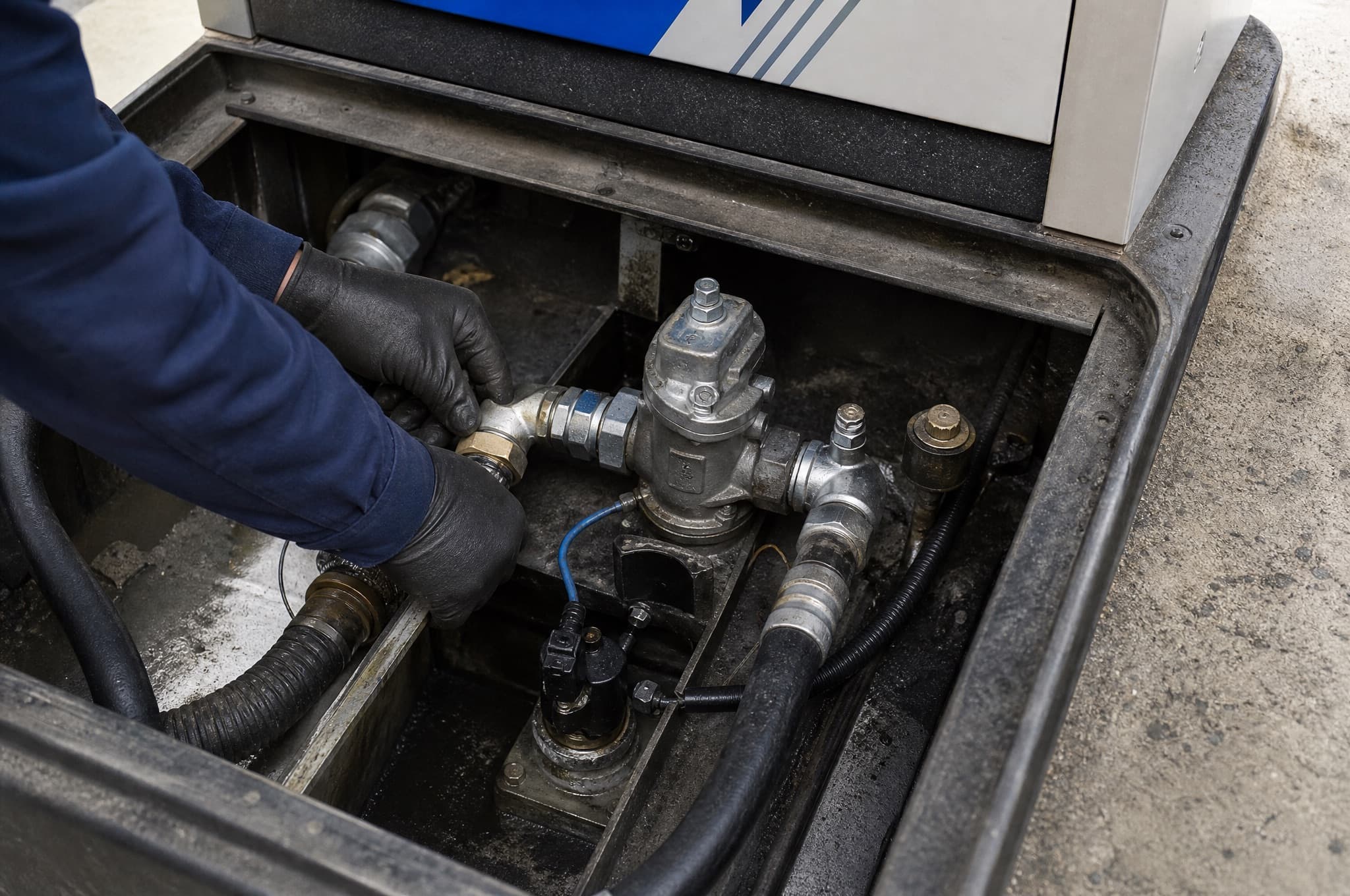
Piping and dispensers designed as one system, not a parts list.
From the submersible pump to the nozzle, every sump, boot, shear valve and sensor is selected to work together and documented so the installer and the inspector are looking at the same system.
The call usually starts like this.
If one of these sounds like your site, the form above is the fastest way to get a defined path back.
Our dispenser sumps have product in them and the ATG keeps alarming.”
We're replacing dispensers and want to know what else the AHJ will make us upgrade.”
We need to add a dispenser or a fueling lane and the piping run is not on any drawing we have.”
The fire marshal asked where our emergency shutoffs are and we could not answer.”
Our installer wants a drawing that shows every sump penetration and test boundary before he prices it.”
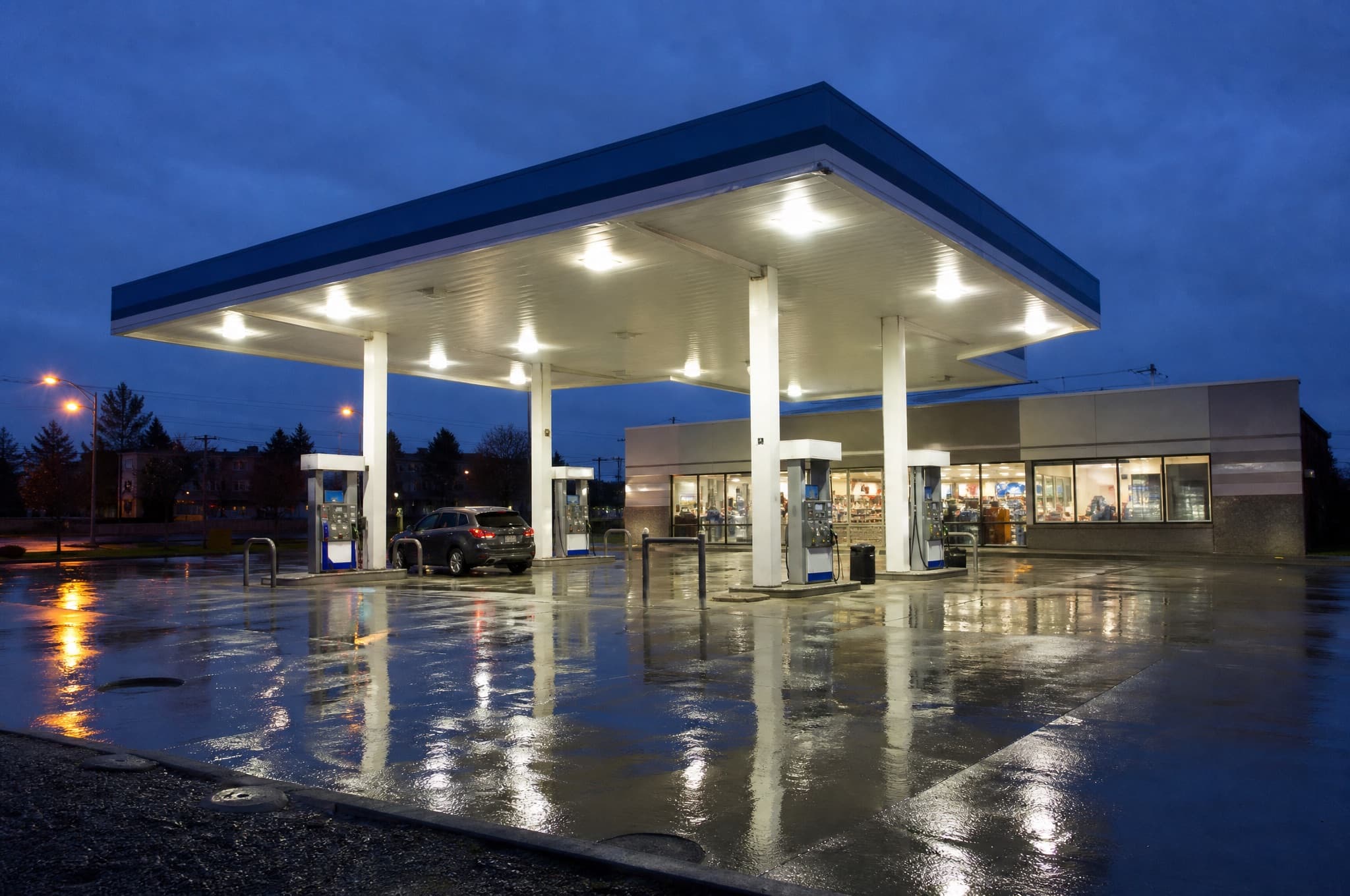
Concrete deliverables, not a proposal to write one.
- Piping plan and details: product, vent, vapor (where required), siphon and return lines with materials and sizing
- Sump schedule: STP sumps, dispenser sumps, transition sumps, penetration fittings and test boundaries
- Dispenser layout with island, curb, canopy column and vehicle-protection coordination
- Emergency shutoff and shear-valve plan to NFPA 30A
- Leak-detection interface diagram: line leak detectors, sump sensors, ATG console and dispenser shutdown
- Equipment schedule and construction scope narrative
- Startup and test checklist for closeout
How ZE approaches fuel piping and dispensing systems.
Zambrano Enterprises provides specialized fuel-system design and technical consulting services. When professional engineering review or certification is required, ZE coordinates with appropriately licensed Professional Engineers through established professional relationships nationwide.
Every penetration is on the drawing
Sumps fail at boots and fittings, and transition points fail where flexible piping meets rigid piping below grade. ZE details the entry fittings, the transition sumps and the test boundaries so the installer is not improvising them in the excavation.
Shutdown logic is coordinated
Emergency stops, automatic line leak detectors, sump sensors, dispenser positive shutdown and submersible pump control all have to act on each other. The interface diagram shows who trips what, so the electrical contractor and the ATG installer are working from the same sheet.
Vapor recovery and fire code where they apply
Stage I vapor recovery on gasoline systems in New York and in parts of Virginia, emergency shutoff locations, shear valves, dispenser separation and vehicle protection are all worked to NFPA 30A and the adopting fire code during design.
How the work runs.
- STEP 1
Investigate
Existing piping routes and materials, sump condition and test history, dispenser models, ATG configuration and how the site needs to stay open during the work.
- STEP 2
Develop a compliance and design strategy
Repair or replace, routing, piping material, sump approach, dispenser count and layout, vapor recovery and phasing. Confirm which changes trigger which AHJ requirements.
- STEP 3
Design
Piping plan and details, sump schedule, dispenser layout, shutoff plan, leak-detection interface diagram and equipment schedule.
- STEP 4
Permit
County health, state and fire submittals for the modification, comment responses and the permit to construct.
- STEP 5
Support construction and closeout
Submittal and RFI review, line and sump test coordination, startup verification and closeout documentation.
About fuel piping and dispensing systems.
Not answered here? Ask directly.
Talk to a Fuel-System SpecialistWhat is a transition sump and when do I need one?
A transition sump contains and monitors a below-grade joint where the piping changes material or configuration, most often where flexible double-wall piping meets rigid piping near the tank field or a remote dispenser. Because buried piping joints on new and replaced systems have to be secondarily contained and monitorable, any joint that cannot be placed inside a tank sump or dispenser sump needs a transition sump of its own. The design shows where each one goes and how it is tested.
Do I need vapor recovery?
For gasoline, Stage I vapor recovery (capturing vapor displaced from the UST during delivery) is required in New York under 6 NYCRR Part 230 above a throughput threshold, and in the Northern Virginia ozone area. Stage II (capturing vapor at the nozzle) has been decommissioned in most jurisdictions now that onboard refueling vapor recovery is standard on vehicles. Diesel and fuel oil do not require vapor recovery. ZE confirms the requirement for the site and includes the vapor piping and fittings where it applies.
Where do the emergency shutoffs have to be?
NFPA 30A requires a clearly identified, readily accessible emergency shutoff that stops all dispensing, located between 20 and 100 feet from the dispensers at attended facilities, with additional controls for unattended and fleet sites. Pressurized systems also need a shear valve at the base of each dispenser, rigidly anchored so it closes on impact or fire. Local fire officials sometimes add locations. The shutoff plan on the drawings answers the fire marshal's question before it is asked.
Can we replace dispensers without replacing the piping?
Often, yes. The trigger to watch is under-dispenser containment: installing a new dispenser system, meaning the dispenser plus the equipment needed to connect it to the piping, requires containment under the dispenser under the federal rule. Swapping a dispenser onto an existing, sound dispenser sump generally does not. ZE reviews the existing sumps, shear valves and flex connectors and tells you which case you are in before the dispensers are ordered.
Why does the ATG alarm on a dispenser sump?
A sump sensor is reporting liquid. It could be product from a leaking fitting, boot or shear valve, or it could be water entering through a cracked sump or a failed lid seal. Either way the sump has lost containment and needs attention. ZE identifies the source, decides whether the sump is repairable and, where it is not, designs the replacement so the new sump passes its test.
Usually part of the same project.
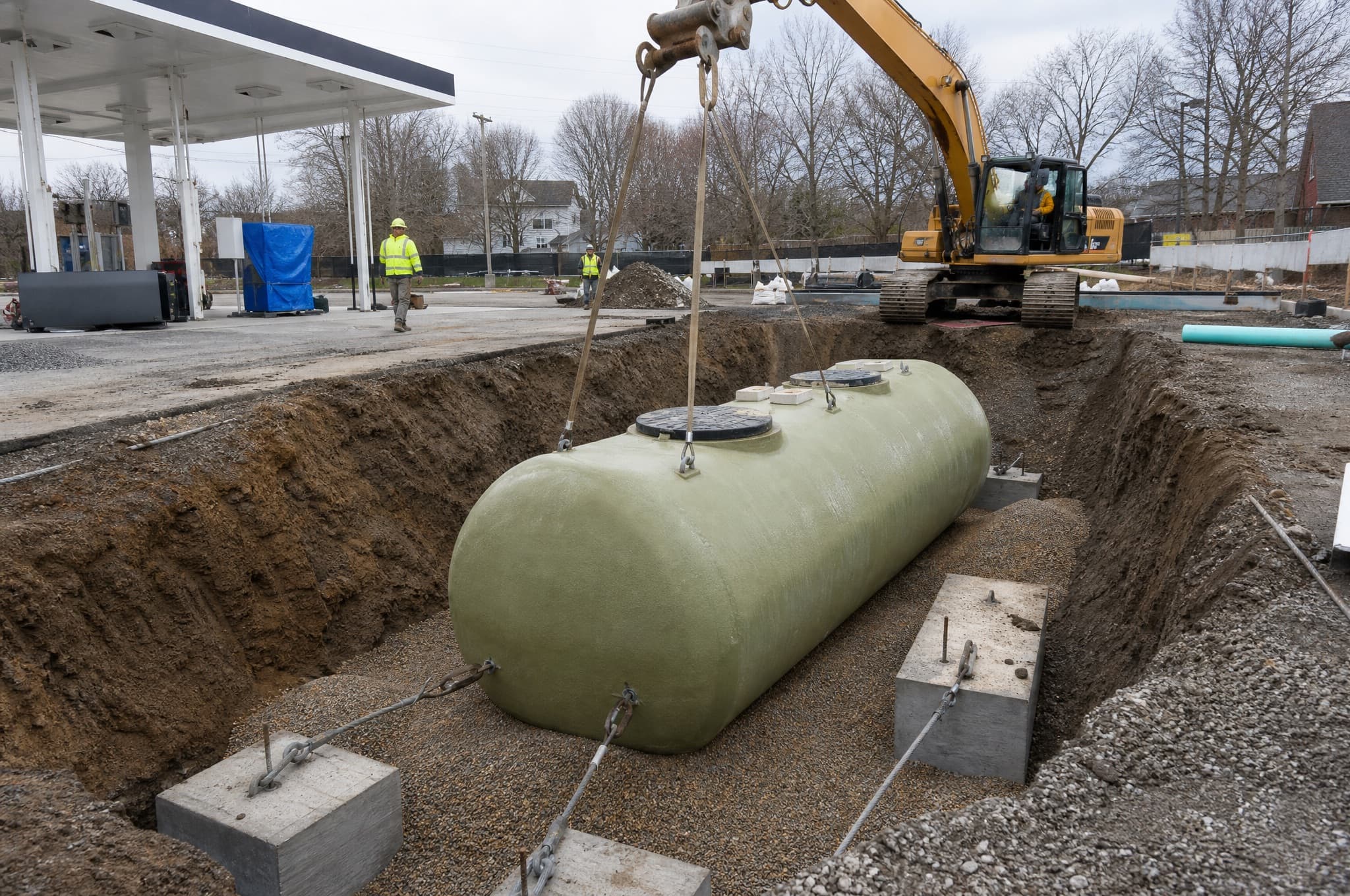
UST System Design
Underground storage tank systems: tank, piping, sumps, leak detection and dispensing, designed to the applicable federal, state and county rules.
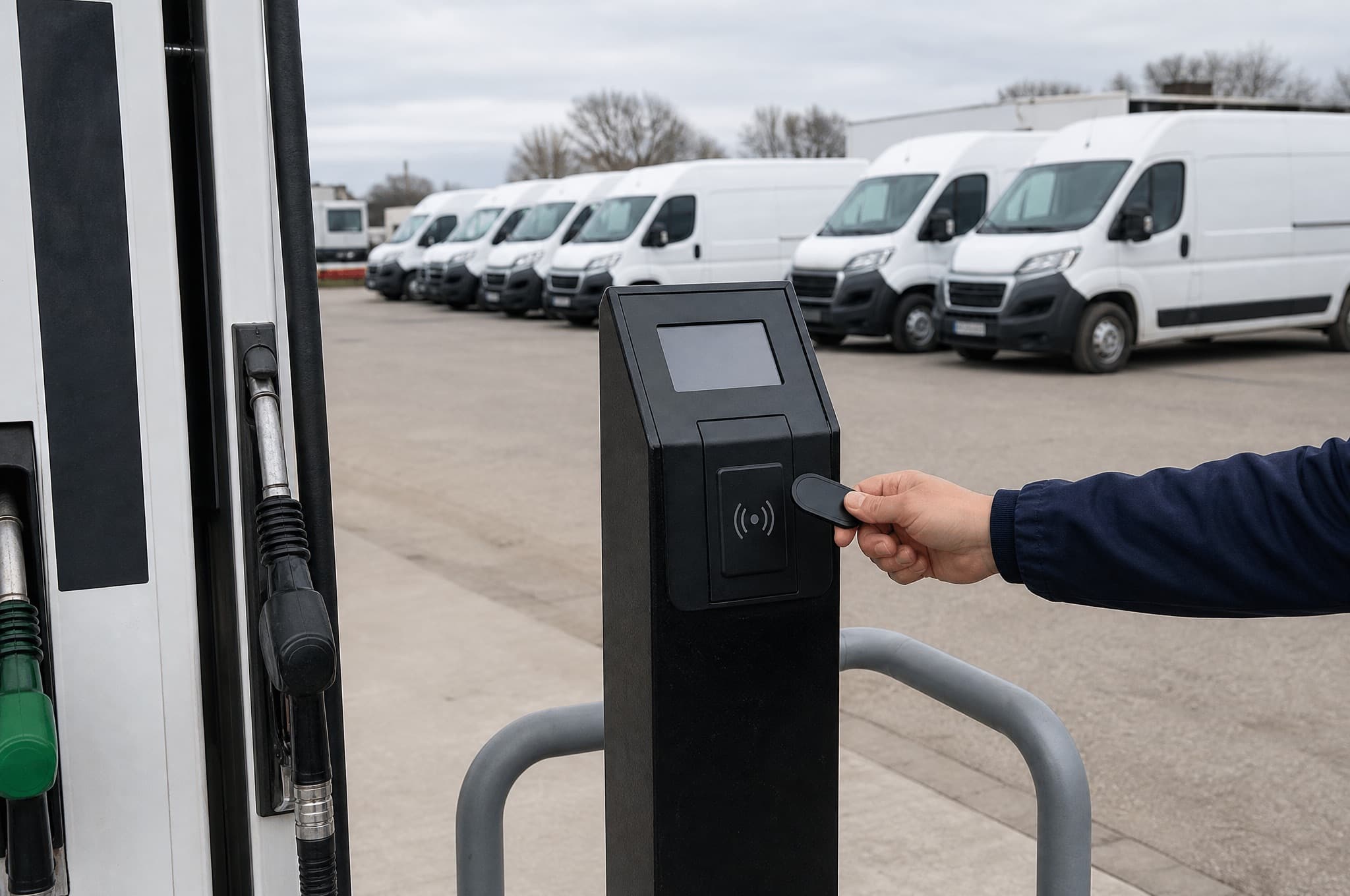
Fuel Management Systems
Fuel-control, tank-gauging and monitoring system selection and integration for fleet, municipal and commercial fueling.
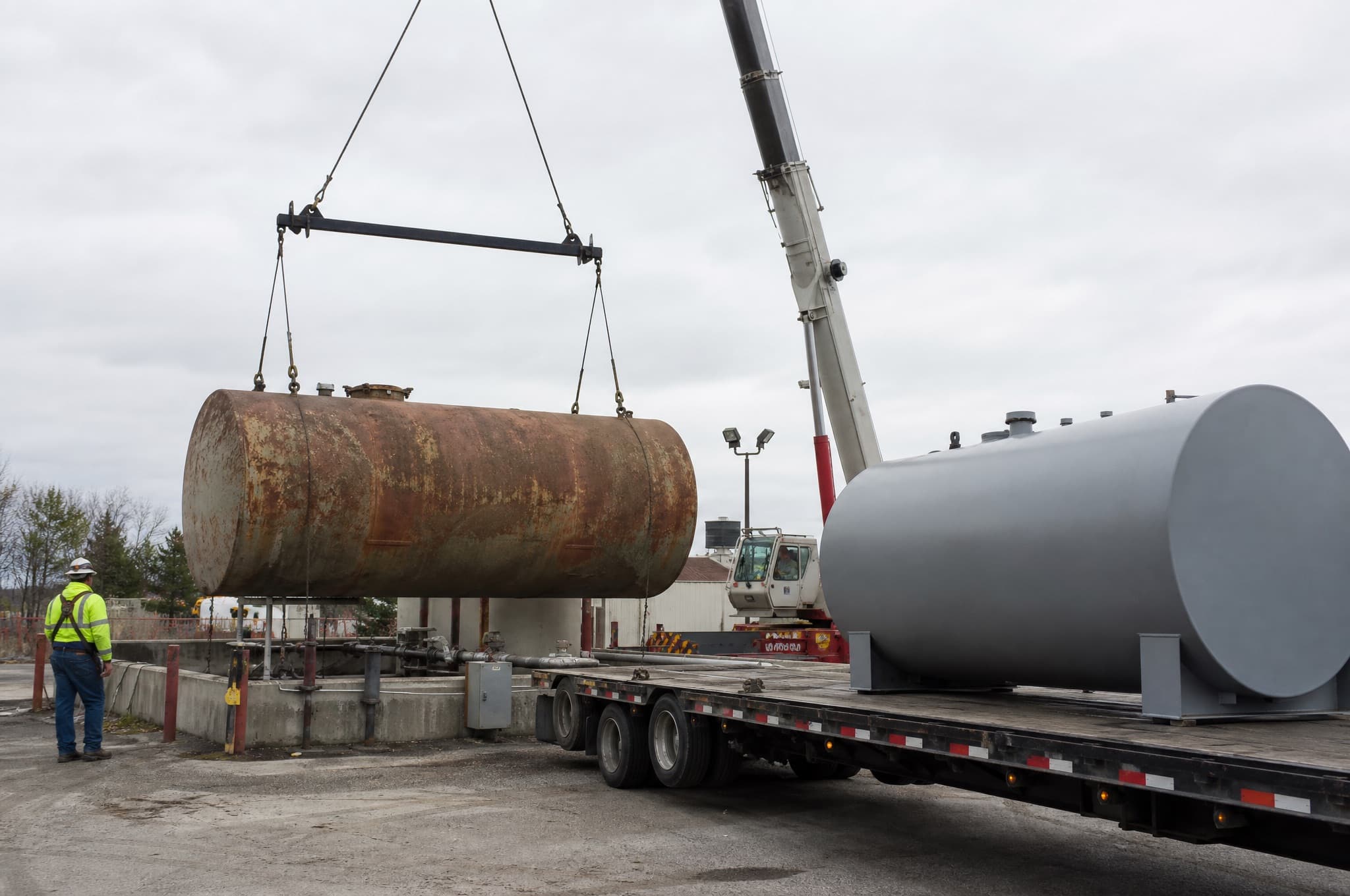
Fuel System Upgrades and Replacements
Aging tank replacement, capacity expansion, UST-to-AST conversion, sump replacement and overfill or containment corrections.
Send us the situation. We'll tell you the path.
Photos, a violation notice, an inspection report, or just a description of the site. Matt reviews every inquiry personally and comes back with a clear next step.