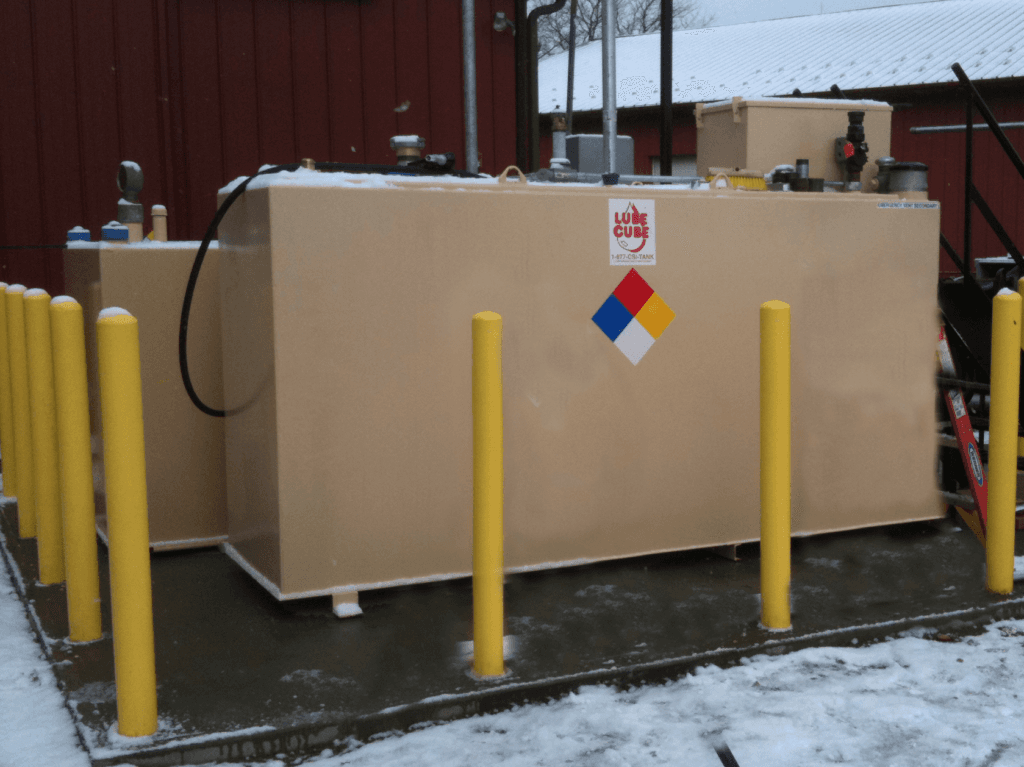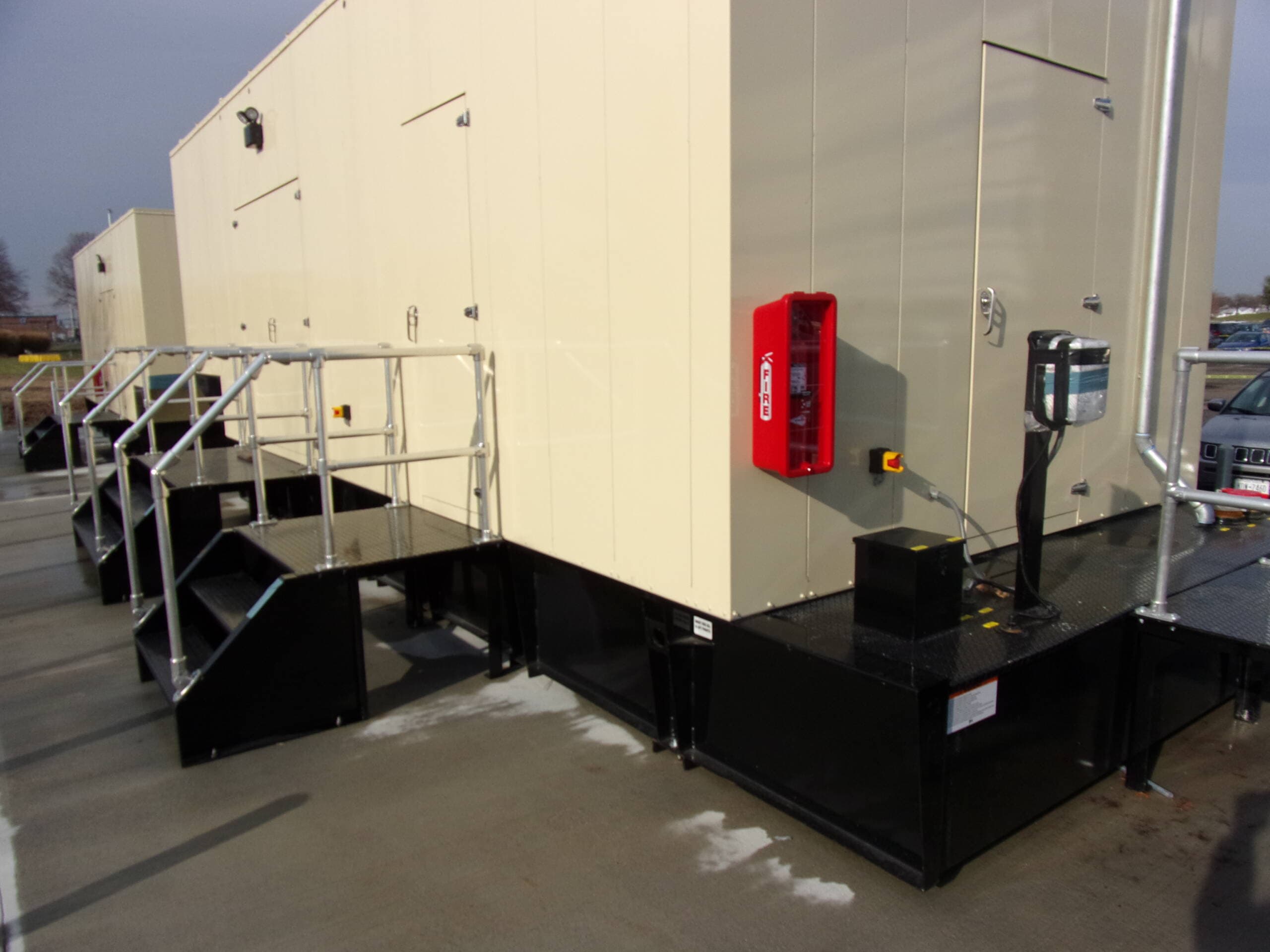
Owners rarely discover an unpermitted fuel tank on their own. Someone else finds it, usually at an inconvenient time, and the owner is left figuring out what it means and what to do next. This article covers how these situations typically surface, the realistic paths to resolution, what documentation helps, and why the worst response is to quietly fix it without involving the authority having jurisdiction (AHJ).
A note on scope: this applies to tanks that were installed, modified, relocated, or changed in product without the required permits and registrations. It is one of the most common project types Zambrano Enterprises handles, and it is very rarely the result of anyone trying to hide something. More often it is a previous owner, a contractor who told the owner "you don't need a permit for that," or a tank that was moved from another facility and never re-registered.
How it usually surfaces
- Sale or refinance of the property. A buyer's environmental due diligence or a lender's review compares what is on the site to what is on record with NYSDEC, the county health department, or Virginia DEQ. A tank that is not registered, or a registration that does not match the tank, becomes a condition of closing.
- A fire inspection. The local fire official conducting a routine inspection asks for the permit and the tank listing. If there is no permit on file, the inspection becomes a violation notice.
- A DEC, DEQ, or county inspection. In Suffolk, Nassau, and Westchester, county health department inspectors know what is registered at each facility. A tank that is not on the registration is noticed. NYSDEC and Virginia DEQ inspections work the same way.
- An insurance review. Carriers increasingly ask for registrations and permits on fuel storage. An unpermitted tank can affect coverage or create a condition that must be corrected.
- A certificate of occupancy application. A renovation or change of use triggers a building department review, and the inspector finds a tank that has no permit history.
- An incident. A spill, a leak, or a fire brings every AHJ to the site at once. This is the worst way to find out.
What happens next depends on the AHJ, the tank, and what the owner does.
The realistic paths forward
There are three, and the AHJ has a large say in which one applies.
Legalize as-is
If the tank, its containment, its piping, and its installation actually meet the requirements that would have applied when it was installed, or the current requirements, the AHJ may accept an after-the-fact permit application with supporting documentation. This is the best case. It still requires a submittal that describes the existing installation in enough detail for the AHJ to evaluate it, and it typically requires inspections and testing to confirm what the paperwork says. Whether the AHJ will consider the installation under the code that applied at the time of installation or under the current code varies, and you should not assume the more favorable answer.
Legalize with corrections
The most common outcome. The tank itself is acceptable, but the installation is missing something: secondary containment at the fill, an overfill prevention valve, proper vehicle impact protection, an electrical installation that does not match the classified area, a setback that is short, or a listing that the jurisdiction does not accept for that product. The AHJ issues comments, the owner corrects the deficiencies under a permit, and the installation is inspected and approved.
The corrections are usually smaller than owners fear, but they have to be scoped correctly. A design that documents the existing system, identifies each deficiency against the applicable code, and shows the correction is what makes this path efficient. It also gives the contractor a defined scope to price rather than a list of guesses.
Remove and replace
Sometimes the installation cannot be legalized. The tank may be unlisted, single-wall where double-wall is required, installed where it cannot meet setbacks, or in a condition that will not pass testing. The path is then a permitted removal or closure of the existing tank and, if the owner still needs the storage, a permitted new installation. This is the most expensive path, but it is also the one that ends with a system that is fully on record and will not resurface as a problem at the next sale.
What documentation helps
The AHJ's job is to evaluate what is installed. Everything that helps them do that shortens the process. Gather what you can before submitting.
- Tank manufacturer, model, capacity, and the listing label or nameplate. A photograph of the label is often enough to start.
- Purchase records, invoices, and any installation contractor records or as-built sketches.
- Any tightness or integrity test results, ATG records, or inspection reports.
- Photographs of the tank, containment, fill, vent, piping, and dispensing or generator connection.
- The current NYSDEC PBS registration, county health department records, or Virginia DEQ registration for the facility, even if the tank in question is not on them.
- Building department records for the site, including any permits that were pulled for related work.
- Electrical inspection certificates for the installation, if any exist.
Missing documentation is not fatal. It means more of the evaluation has to be done in the field, and the AHJ may require testing or inspections to establish what the records would have shown. Be honest about what you have and do not have.
Why you should not quietly fix it
The instinct is understandable. The owner finds out the tank has no permit, calls a contractor, and asks them to "make it right" before anyone official sees it. This almost always makes the situation worse, for several reasons.
- It is still unpermitted afterward. Correcting a deficiency without a permit produces a corrected unpermitted installation. The registration and permit history still do not exist, and the next inspector or buyer will find the same gap.
- Corrections need to be inspected. Many corrections, such as piping, containment, and electrical work, have to be observed by the AHJ before they are covered up. Work done without that inspection may have to be exposed and redone.
- It removes the AHJ's ability to evaluate the original condition. Inspectors and reviewers are more cooperative when they can see what was there and what is being proposed. A site that has clearly been altered right before the submittal invites more scrutiny, not less.
- Reputable contractors will not do it. The petroleum contractors who do good work pull permits. A contractor willing to correct an unpermitted tank without a permit is telling you something about the quality of the work you are about to receive.
- It can turn a compliance problem into an enforcement problem. An owner who comes forward with an unpermitted tank is typically treated as a compliance case. An owner who is found to have concealed or altered one is in a different category.
The better approach is to document the existing installation, identify what a legalization submittal will require, and go to the AHJ with a plan. In my experience, AHJs respond well to an owner who shows up with a clear description of what exists and a credible path to correct it.
How Zambrano Enterprises approaches it
Legalization of unpermitted tank installations and modifications is a defined process at Zambrano Enterprises: investigate the existing system, evaluate it against every applicable AHJ requirement, develop a compliance and design strategy, prepare the submittal, and support the corrections and inspections through closeout. The unpermitted tank legalization page describes the process in more detail, and the unpermitted tank help page is the place to start if you are in this situation now.
If you have just found out that a tank on your property was installed or modified without a permit, the most useful first step is to describe what you know: the tank, the product, where it is, and how the issue came up. Discuss your project through the inquiry form at /contact-us and I will tell you which of the three paths is realistic.